
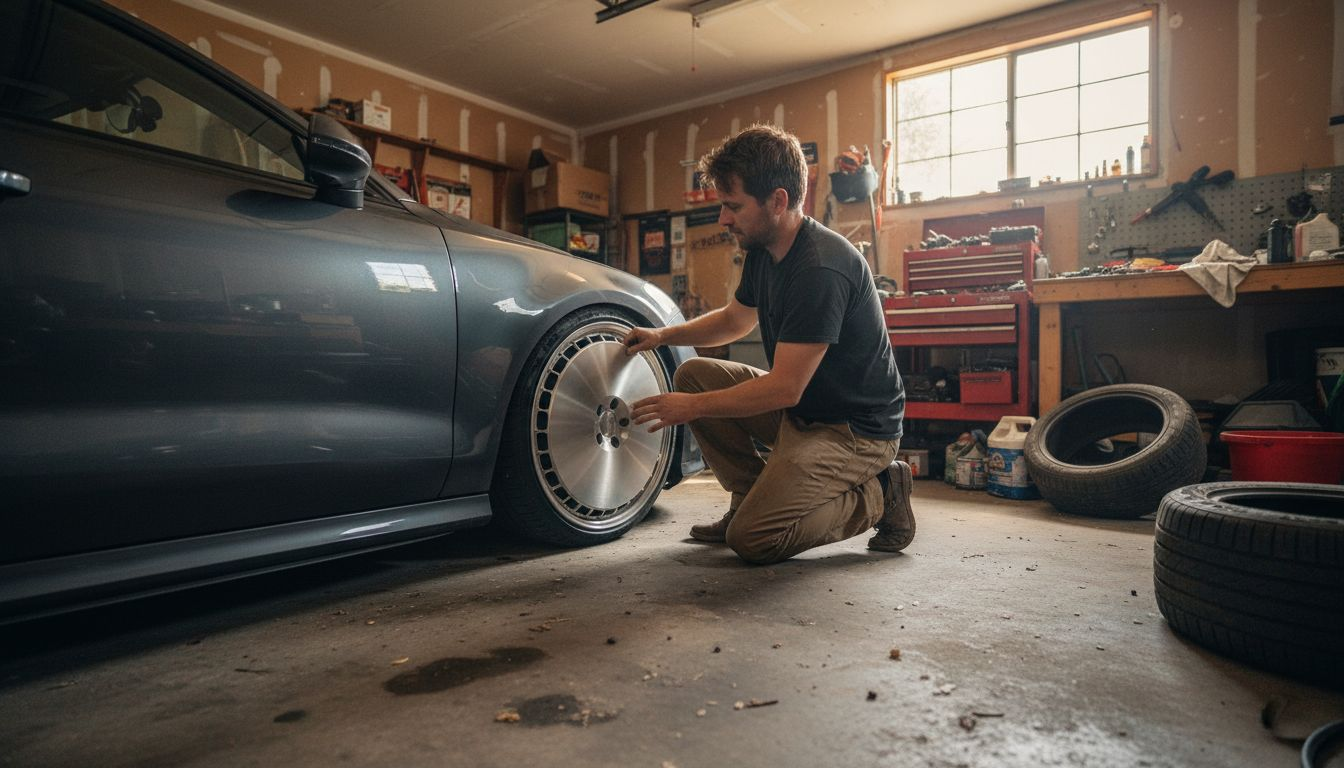
Many assume aerodisc wheels are just decorative hubcaps, but that’s far from the truth. These specialized aerodynamic covers reduce drag coefficient by up to 5% at highway speeds, delivering measurable performance gains. This guide breaks down their design, real-world benefits, customization options, and installation requirements to help you make informed upgrade decisions.
Table of Contents
- Introduction To Aerodisc Wheels
- Aerodynamics And Design Features Of Aerodisc Wheels
- Performance Benefits Of Aerodisc Wheels
- Customization And Styling Options
- Installation And Compatibility
- Common Misconceptions About Aerodisc Wheels
- Practical Applications And Conclusion
- Explore Performance Wheel Upgrades And Custom Options
- Frequently Asked Questions
Key takeaways
| Point | Details |
|——-|———||
| Aerodynamic function | Partial disc design reduces drag while maintaining critical brake cooling airflow. |
| Performance gains | Documented 5% drag reduction improves fuel efficiency and high-speed stability. |
| Customization flexibility | Graphic packages and finishes allow personalized styling for luxury and racing applications. |
| Installation requirements | Compatible with specific Rotiform models requiring proper torque specs and alignment tabs. |
| Practical value | Combines vintage motorsport aesthetics with measurable aerodynamic improvements. |
Introduction to aerodisc wheels
Rotiform AeroDisc wheels are engineered wheel covers designed to reduce drag while enhancing styling. Unlike traditional plastic hubcaps that serve purely cosmetic purposes, aerodisc wheels integrate directly with performance wheel designs to streamline airflow around rotating assemblies. Brands like Rotiform pioneered this technology for enthusiasts seeking both form and function.
These specialized covers differ fundamentally from full disc wheels. Full discs block all airflow, creating heat retention issues that compromise brake performance. Aerodisc wheels use strategic partial coverage that disrupts turbulent vortices near wheel wells without trapping excessive heat. This engineering approach makes them suitable for racing applications where brake cooling remains critical.
The target audience spans two distinct groups. Racing enthusiasts value the measurable aerodynamic gains that translate to improved lap times and fuel economy. Luxury car owners appreciate the vintage motorsport aesthetic that elevates vehicle presence at shows and on streets. Both groups benefit from the balanced design philosophy.
Key distinctions include:
- Engineered attachment systems that prevent rotation during driving
- Billet aluminum construction ensuring durability at high speeds
- Compatibility with specific forged wheel models for secure fitment
- Downloadable graphic packages enabling personalized styling
- Thread-on installation requiring precise torque specifications
Understanding these fundamentals helps separate genuine performance upgrades from purely decorative accessories. Aerodisc wheels represent a calculated engineering solution for reducing parasitic drag while maintaining thermal management requirements.
Aerodynamics and design features of aerodisc wheels
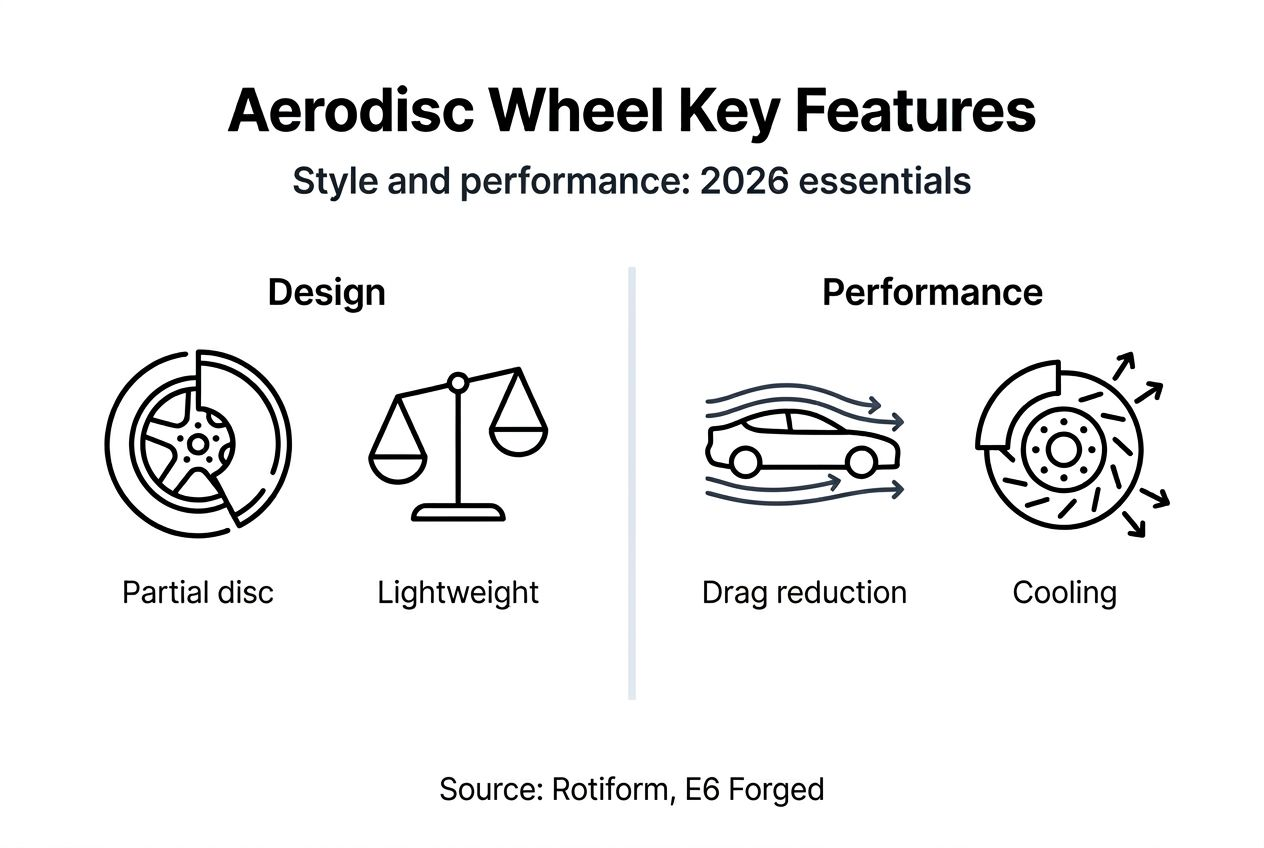
The aerodynamic principles of AeroDisc wheels center on managing airflow around rotating wheel assemblies. As wheels spin at highway speeds, spokes create turbulent vortices that increase drag coefficients. Partial disc coverage smooths this airflow, reducing resistance without completely blocking ventilation pathways.
Engineers measure aerodynamic efficiency through drag coefficient testing. Aerodisc wheels reduce drag coefficient by up to 5% at highway speeds by streamlining airflow. This percentage translates directly into fuel economy improvements and enhanced stability during high-speed driving. Wind tunnel testing validates these claims across multiple vehicle platforms.
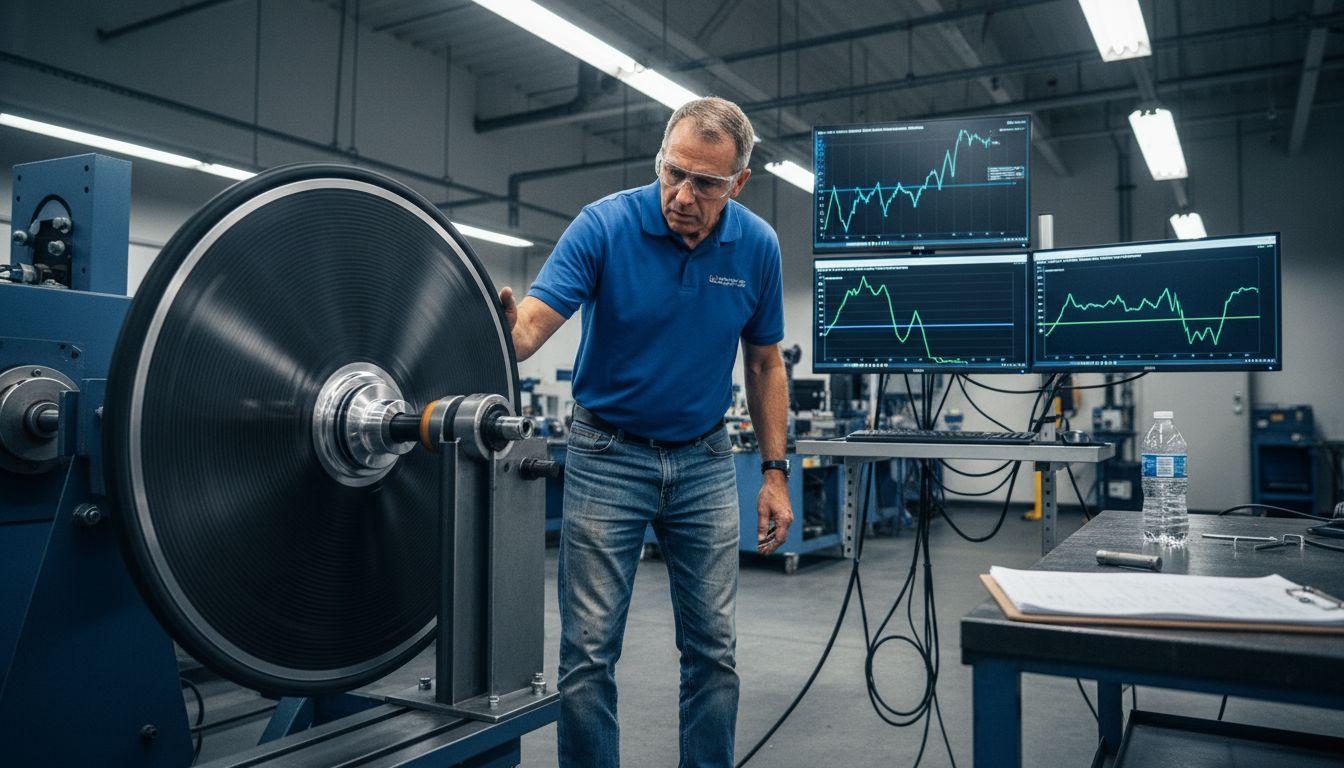
The partial coverage design prevents a critical problem associated with full disc wheels. Complete blockage traps heat generated by brake friction, leading to fade and reduced stopping power. Aerodisc wheels leave strategic openings that allow cooling air to reach brake rotors and calipers. This balance makes them viable for track applications where thermal management determines safety.
Design elements that optimize performance:
- Contoured surfaces that guide airflow smoothly around wheel wells
- Strategic ventilation openings aligned with brake cooling requirements
- Lightweight construction minimizing rotational mass increases
- Precision fitment eliminating gaps that create additional turbulence
- Durable finishes maintaining aerodynamic efficiency over time
| Design Feature | Aerodynamic Benefit | Cooling Impact |
|---|---|---|
| Partial disc coverage | Reduces vortex formation | Maintains brake airflow |
| Smooth outer surface | Streamlines boundary layer | Minimizes heat retention |
| Ventilation openings | Balances drag reduction | Enables rotor cooling |
| Precision alignment tabs | Prevents rotation losses | Sustains airflow patterns |
Pro Tip: Regular inspection of aerodisc mounting hardware ensures alignment tabs remain secure, maintaining aerodynamic performance throughout extended use.
The engineering balance between drag reduction and cooling represents the core innovation. Simple hubcaps lack this sophistication, while full discs sacrifice thermal management for marginal aerodynamic gains. Aerodisc wheels occupy the optimal middle ground for performance-focused applications.
Performance benefits of aerodisc wheels
Aerodisc wheels provide measurable improvements in fuel efficiency and reduce highway wind noise through drag reduction. The documented 5% drag coefficient improvement translates to approximately 2 to 3% fuel economy gains during sustained highway driving. While this may seem modest, it accumulates significantly over thousands of miles.
Reduced wind noise enhances driver comfort during extended trips. Turbulent airflow around conventional spoke wheels creates audible disturbances that increase cabin noise levels. Smooth aerodisc surfaces eliminate these disturbances, resulting in a quieter interior environment. Luxury vehicle owners particularly value this refinement.
High-speed stability improvements provide tangible safety benefits. Lower drag coefficients reduce the aerodynamic forces pushing against vehicle bodywork. This translates to more predictable handling characteristics when passing trucks or navigating crosswinds. Track enthusiasts report improved consistency during high-speed cornering.
Real-world application scenarios:
- Highway commuting benefits from reduced fuel consumption over time
- Track days leverage improved stability for consistent lap times
- Show car presentations gain vintage motorsport aesthetic appeal
- Long-distance touring experiences enhanced comfort from noise reduction
“Aerodisc wheels reduce drag coefficient by up to 5%, making a tangible impact on fuel efficiency and noise reduction during highway driving.”
The performance advantages extend beyond pure numbers. Drivers notice smoother highway cruising with less buffeting from crosswinds. Brake performance remains consistent because cooling airflow continues reaching rotors. These combined benefits explain why racing teams and luxury owners alike adopt aerodisc technology.
Cost-benefit analysis favors aerodisc wheels for enthusiasts accumulating significant highway miles. The fuel savings may not offset initial investment quickly, but the combined comfort, stability, and aesthetic improvements justify adoption. Racing applications see immediate value through improved lap consistency and reduced pit stop frequency for brake cooling issues.
Customization and styling options
Downloadable graphic packages transform aerodisc wheels into personalized design statements. Rotiform offers template files enabling owners to apply custom graphics, racing numbers, or brand logos. This flexibility appeals to show car builders seeking unique presentation styles that reflect individual tastes.
Custom paint and vinyl wraps expand styling possibilities further. Gloss, matte, and metallic finishes complement different vehicle aesthetics. Retro motorsport themes using period-correct colors and typography recreate vintage racing appearances. Modern luxury approaches favor subtle tones matching OEM paint schemes.
The partial disc design accommodates varied finishes without compromising aerodynamic integrity. Unlike full discs requiring uniform surfaces, aerodisc wheels allow creative freedom across visible portions. Graphics applied to disc surfaces remain visible during rotation, creating dynamic visual effects.
Popular customization approaches:
- Racing-inspired liveries matching team colors and sponsor logos
- Vintage motorsport themes recreating classic racing aesthetics
- Minimalist luxury finishes using subtle textures and tones
- Bold graphics featuring geometric patterns or abstract designs
Pro Tip: Choose finishes that complement your vehicle’s overall design language while maintaining the smooth aerodynamic surfaces that deliver performance benefits.
Customization extends beyond visual elements. Different wheel customization guide 2026 approaches include powder coating, anodizing, and vinyl application. Each method offers distinct durability characteristics and maintenance requirements. Powder coating provides superior longevity for track applications, while vinyl wraps enable seasonal design changes.
E6 Forged’s AR04 multipiece wheels and AR03 multipiece wheels pair exceptionally well with aerodisc customization. The multipiece construction allows independent finishing of barrel, face, and hardware components. Combined with customized aerodisc covers, these create cohesive wheel packages that balance performance and aesthetics.
Show car enthusiasts leverage customization to create memorable presentations. Matching wheel graphics to vehicle wraps or paint schemes creates unified visual themes. Racing teams use consistent branding across aerodisc surfaces for sponsor recognition. Both applications demonstrate how functional aerodynamic components serve dual purposes.
Installation and compatibility
Compatibility verification remains critical before purchasing aerodisc wheels. These covers work specifically with Rotiform LAS-R, RSE, and BUC-M wheel models in 18×8.5 and 19×8.5 sizes. Attempting installation on incompatible wheels results in improper fitment, vibration, and potential safety hazards.
The thread-on design requires removing factory hex nuts and lug covers first. This exposes the threaded hub area where aerodisc hardware attaches. Proper removal prevents damage to wheel faces and ensures clean mating surfaces for secure installation.
Installation procedure:
- Remove factory hex nuts using appropriate socket size to avoid stripping.
- Clean threaded hub surfaces removing dirt, brake dust, and corrosion.
- Position aerodisc cover aligning tabs with corresponding wheel slots.
- Thread billet hex nuts hand-tight ensuring even engagement around perimeter.
- Torque nuts sequentially to 12-15 ft-lbs using calibrated torque wrench.
- Verify alignment tabs seat fully preventing rotation during operation.
- Recheck torque after initial 50 miles accounting for settling.
Alignment tabs prevent rotation during driving, securing aerodynamic efficiency. These small protrusions fit into machined slots on compatible wheel faces. Without proper tab engagement, aerodisc covers can slip relative to wheel rotation, creating vibration and negating aerodynamic benefits.
Torque specifications matter significantly. Under-tightening allows covers to loosen during operation, while over-tightening risks thread damage or warping. Using a calibrated torque wrench ensures proper clamping force. Sequential tightening in a star pattern distributes load evenly across mounting points.
Removal follows reverse procedures with additional considerations. If covers have been installed for extended periods, thread locking compounds may require heat application for removal. Gentle warming with heat guns loosens these compounds without damaging finishes. Forcing removal risks stripping threads or cracking covers.
Common misconceptions about aerodisc wheels
Misconception: Aerodisc wheels are just decorative hubcaps serving no functional purpose. Reality: Engineering development focused specifically on aerodynamic drag reduction through controlled airflow management. Wind tunnel testing and real-world data validate measurable performance improvements distinguishing them from cosmetic accessories.
Misconception: Aerodisc wheels block brake cooling leading to fade and reduced stopping power. Reality: Partial disc design balances drag reduction with necessary ventilation. Strategic openings allow cooling air to reach brake components while smoothing turbulent airflow around wheel assemblies. Track testing confirms sustained brake performance during repeated high-speed stops.
Misconception: No measurable impact on performance justifies the investment. Reality: Documented drag reductions of up to 5% translate to tangible fuel economy improvements and enhanced high-speed stability. While gains may appear modest in isolation, accumulated benefits over thousands of miles validate the engineering effort.
Additional clarifications:
- Weight concerns are minimal because aluminum construction adds negligible rotational mass
- Installation complexity remains manageable for enthusiasts with basic mechanical skills
- Compatibility limitations ensure proper fitment preventing safety hazards
- Maintenance requirements mirror standard wheel care without special procedures
Addressing these misconceptions helps enthusiasts make informed decisions. Understanding the engineering principles separates marketing claims from validated performance improvements. Aerodisc wheels represent legitimate aerodynamic enhancements when properly applied to compatible vehicle platforms.
The confusion often stems from comparing aerodisc wheels to cheap plastic hubcaps. While superficially similar in appearance, the engineering sophistication differs dramatically. Precision manufacturing, strategic ventilation design, and validated testing separate performance components from decorative accessories.
Practical applications and conclusion
Aerodisc wheels perfectly fit high-performance and luxury vehicle owners seeking measurable gains alongside aesthetic improvements. The combination of reduced drag, enhanced stability, and customizable styling addresses multiple priorities simultaneously. Racing applications benefit from improved lap consistency, while luxury owners appreciate refined highway comfort.
Vintage motorsport aesthetics appeal to enthusiasts valuing historical racing design languages. Classic endurance racing cars featured similar partial disc wheels for aerodynamic advantages. Modern aerodisc technology recreates these appearances while incorporating contemporary materials and engineering refinements. Show car presentations gain authenticity through period-correct styling choices.
The balance of style and function makes them recommended upgrades for automotive enthusiasts. Unlike purely cosmetic modifications offering no performance value, aerodisc wheels deliver validated improvements. Unlike extreme aerodynamic solutions compromising brake cooling, partial disc designs maintain thermal management. This optimization explains growing adoption across racing and luxury segments.
Final considerations for prospective buyers include compatibility verification, installation confidence, and customization preferences. Ensuring wheel model compatibility prevents fitment issues and safety hazards. Accessing proper installation tools or professional services ensures secure mounting. Exploring graphic and finish options enables personalized expressions matching individual tastes.
Aerodisc wheels represent smart combinations of form and performance enhancement. They demonstrate how thoughtful engineering creates components serving multiple purposes without compromise. For enthusiasts seeking every advantage on track or refined presence on streets, these specialized covers deliver measurable value worth serious consideration.
Explore performance wheel upgrades and custom options
Ready to elevate your vehicle’s performance and appearance beyond aerodisc technology? E6 Forged specializes in premium multipiece wheels combining lightweight construction with striking aesthetics. Our AR03 multipiece wheels and AR04 multipiece wheels deliver aggressive stance and reduced rotational mass for improved acceleration and handling.
Discover innovative wheel customization guide 2026 techniques achieving up to 40% weight reduction without compromising strength. Our forged construction and precision manufacturing deliver components suited for both street and track applications. Explore our complete catalog to find performance wheels that complement aerodisc technologies for comprehensive vehicle optimization.
Frequently asked questions
What exactly are aerodisc wheels?
Aerodisc wheels are engineered wheel covers featuring partial disc designs that reduce aerodynamic drag while maintaining brake cooling airflow. They attach to compatible forged wheels using thread-on hardware and deliver measurable performance improvements distinct from decorative hubcaps.
How do you maintain aerodisc wheels?
Maintenance mirrors standard wheel care including regular washing with pH-neutral soap and periodic torque verification. Inspect alignment tabs quarterly ensuring secure positioning, and reapply protective coatings annually to maintain aerodynamic surface smoothness and prevent corrosion.
Are aerodisc wheels compatible with all wheel models?
No, compatibility remains limited to specific Rotiform models including LAS-R, RSE, and BUC-M in 18×8.5 and 19×8.5 sizes. Using aerodisc covers on incompatible wheels creates safety hazards from improper fitment and potential detachment during operation.
What are typical costs for aerodisc wheels?
Pricing varies based on finish options and graphic customization, typically ranging from $200 to $400 per set. Professional installation adds $100 to $200 if you lack proper torque wrenches and mechanical experience for secure mounting.
Can aerodisc wheels be installed at home?
Yes, enthusiasts with basic mechanical skills and calibrated torque wrenches can complete installation following manufacturer procedures. The process requires approximately 30 minutes per wheel including proper cleaning, alignment verification, and sequential torque application to specified values.
Do aerodisc wheels affect brake performance?
Properly designed aerodisc wheels maintain brake performance through strategic ventilation openings that allow cooling airflow. Partial disc coverage reduces drag without trapping excessive heat, making them suitable for track applications requiring consistent stopping power.