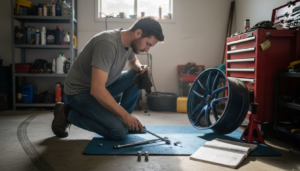
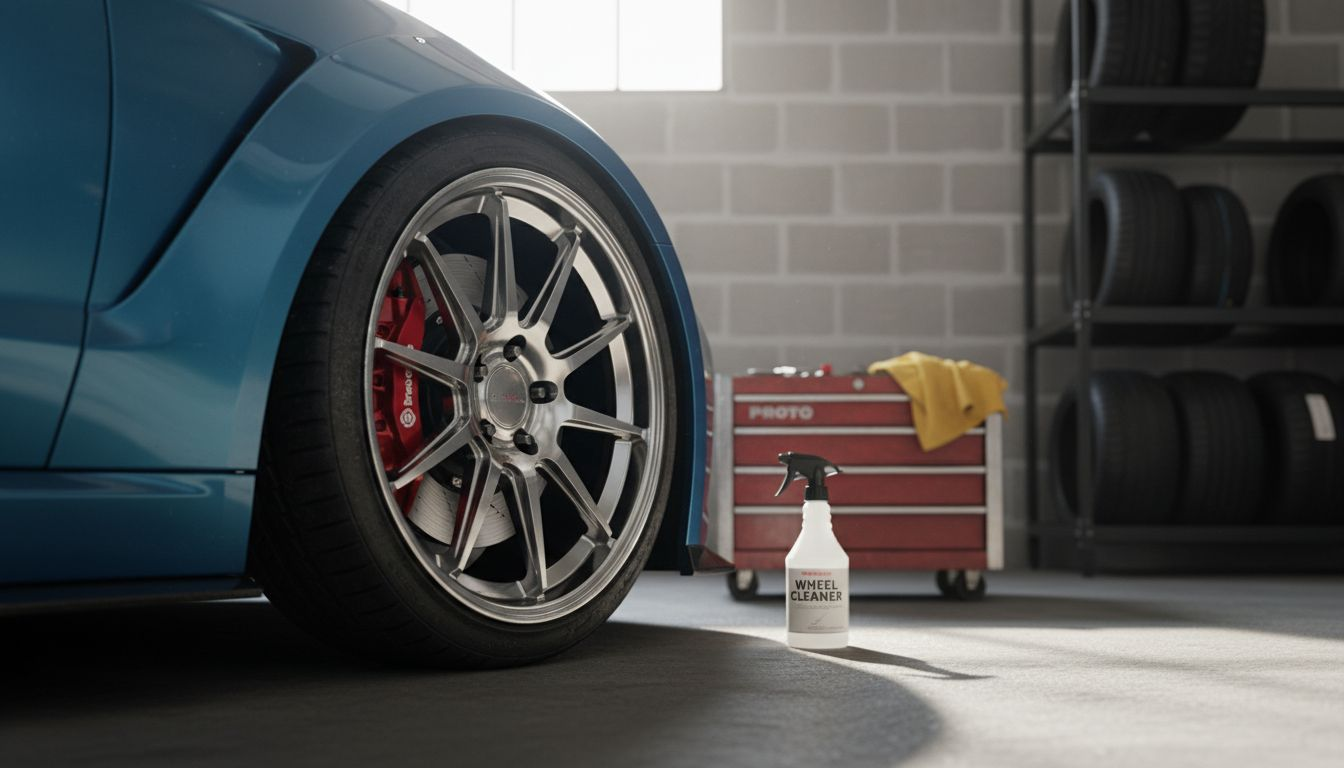
Many enthusiasts believe any aftermarket wheel makes their vehicle show ready, but this oversimplifies what defines true show car wheels. Show car wheels are specialized for design and performance duality and differ from standard aftermarket wheels through advanced materials, precise fitment, and exceptional craftsmanship. This guide reveals the essential characteristics, performance benefits, and buying considerations that separate genuine show wheels from basic upgrades.
Table of Contents
- Introduction To Show Car Wheels
- Materials And Manufacturing Processes
- Design Elements And Performance Benefits
- Common Misconceptions And Clarifications
- Maintenance And Care For Show Car Wheels
- Selecting The Right Show Car Wheel For Your Vehicle
- Explore Premium Show Car Wheels And Accessories From E6 Carbon
- Frequently Asked Questions About Show Car Wheels
Key takeaways
| Point | Details |
|---|---|
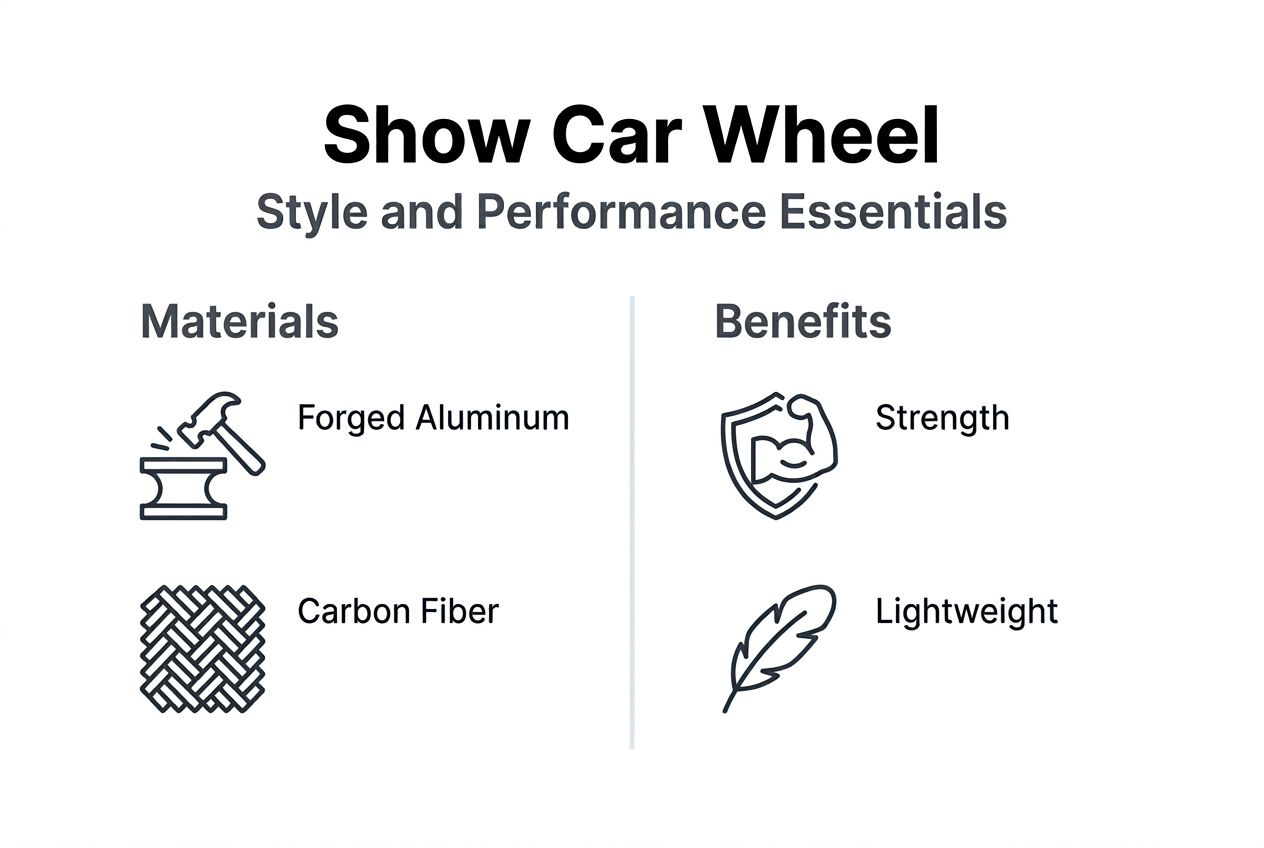
| Material superiority | Show car wheels use forged aluminum or carbon fiber for reduced weight and enhanced strength compared to cast alternatives. |
| Design impact | Fitment specifications including offset, width, and concavity affect both visual appeal and handling dynamics. |
| Performance integration | Premium wheels reduce unsprung weight, improving acceleration, braking response, and steering feedback. |
| Common misconception | Installing aftermarket wheels alone doesn’t create a show car without comprehensive modifications and quality craftsmanship. |
| Maintenance requirement | Proper care includes protective coatings, regular inspection, and annual detailed cleaning to preserve finish and function. |
Introduction to show car wheels
Show car wheels represent specialized components designed to deliver both visual impact and measurable performance improvements for luxury and sports vehicles. Unlike basic aftermarket options, these wheels combine precision engineering with aesthetic refinement to meet the demands of automotive enthusiasts who prioritize both appearance and driving dynamics.
The target audience includes owners of high-end vehicles from brands like BMW, Ferrari, Lamborghini, McLaren, and Mercedes-AMG who seek upgrades that complement their vehicle’s performance capabilities. These enthusiasts understand that wheels affect more than curb appeal.
What separates show car wheels from typical aftermarket options centers on three factors:
- Craftsmanship quality through advanced manufacturing processes
- Fitment accuracy ensuring proper brake clearance and suspension geometry
- Material selection prioritizing strength-to-weight ratios
Many assume any custom wheel qualifies as show-worthy, but this misconception overlooks the engineering standards and finishing techniques that define premium wheels. True show car wheels integrate seamlessly with comprehensive vehicle modifications rather than serving as standalone cosmetic additions.
The distinction matters because improper wheel selection can compromise handling characteristics, create clearance issues with brake calipers, or introduce vibration problems that detract from the driving experience. Understanding these fundamentals helps you make informed decisions when upgrading your vehicle.
Materials and manufacturing processes
The materials and production methods used in show car wheel manufacturing directly determine their performance characteristics and visual quality. Two primary materials dominate the premium wheel market, each offering distinct advantages for different applications.
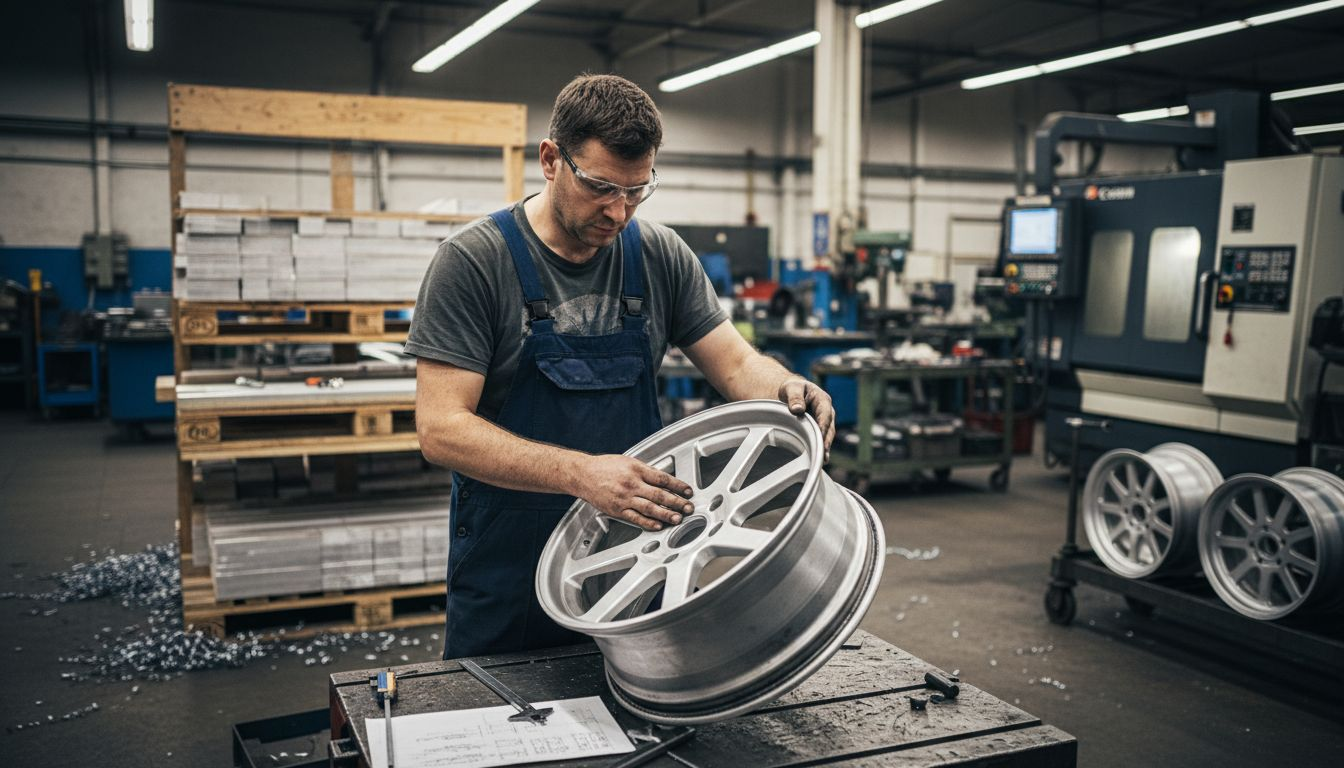
Forged wheels provide a lightweight yet structurally superior option compared to cast wheels, enhancing handling and acceleration through reduced rotational mass. The forging process compresses aluminum under extreme pressure, creating a denser grain structure that delivers approximately 25% weight savings while maintaining superior strength.
Carbon fiber composites represent the ultimate material choice for enthusiasts seeking maximum weight reduction. These advanced wheels can achieve up to 40% weight savings compared to forged aluminum alternatives, though they command premium pricing reflecting their complex manufacturing requirements.
Key manufacturing processes that elevate show wheel quality include:
- Inner barrel polishing creating showroom-quality luster through specialized preparation and finishing
- Multi-piece construction enabling custom fitment and distinctive aesthetic profiles
- Proprietary surface treatments protecting finishes from environmental damage
- Precision machining ensuring perfect balance and minimal vibration
These processes require additional labor and specialized equipment compared to mass-produced cast wheels. The result justifies the investment through enhanced durability, reduced maintenance demands, and sustained appearance over years of use.
Material selection should align with your intended usage. Forged aluminum offers an excellent balance of performance, durability, and value for street-driven show cars. Carbon fiber suits track-focused applications where every pound matters and budget concerns take secondary priority. For more guidance on maximizing performance through wheel upgrades, explore our performance wheel upgrade guide 2026.
Design elements and performance benefits
Wheel design extends far beyond visual preferences, directly influencing vehicle dynamics through carefully engineered specifications. Understanding these parameters helps you select wheels that enhance both appearance and driving characteristics.
Wheel parameters like diameter, width, offset, and brake clearance greatly influence handling and stability, beyond aesthetics. Diameter affects gearing ratios and speedometer accuracy, while width determines tire contact patch size. Offset positions the wheel relative to suspension mounting points, impacting steering geometry and fender clearance.
Pro Tip: Verify brake caliper clearance before finalizing wheel selection, as performance brake upgrades often require specific spoke designs and offset ranges to prevent contact issues.
Design features like bead knurling, shaved backpads, and concavity reduce weight and improve performance while enhancing style. These elements serve functional purposes rather than purely decorative roles:
- Concave profiles increase structural rigidity while creating aggressive stance
- Bead knurling prevents tire slippage under high torque applications
- Shaved backpads remove unnecessary material for weight optimization
- Spoke geometry affects brake cooling and unsprung weight distribution
The following table compares key specifications and their performance impacts:
| Specification | Performance Impact | Aesthetic Impact |
|---|---|---|
| Larger diameter | Improved braking leverage, reduced sidewall flex | More aggressive appearance, fills wheel wells |
| Increased width | Greater tire contact patch, enhanced cornering grip | Wider stance, more muscular profile |
| Lower offset | Wheels sit further outboard, affects scrub radius | Flush fitment with fenders |
| Deep concavity | Enhanced spoke strength, optimized weight distribution | Three-dimensional depth, premium appearance |
Multi-piece wheel designs offer exceptional customization flexibility, allowing precise fitment adjustments through interchangeable barrels and faces. This construction method enables perfect alignment with fender contours while accommodating various brake sizes. Explore options like our jf10 multipiece wheels to see how modular construction delivers both form and function.
Performance benefits accumulate through reduced unsprung weight, which improves suspension response and tire contact with road surfaces. Every pound removed from rotating mass requires less energy to accelerate and decelerate, translating to quicker acceleration and shorter braking distances. For detailed information on customization possibilities, review our guide on wheel customization 2026.
Common misconceptions and clarifications
Several persistent myths about show car wheels create confusion among enthusiasts seeking authentic upgrades. Addressing these misconceptions prevents costly mistakes and helps you understand what truly defines premium wheels.
Simply adding aftermarket wheels or lowering a car doesn’t make it a true show car, as craftsmanship and comprehensive modifications are key. The show car designation requires attention to multiple vehicle systems and consistent execution quality throughout.
Common myths include:
- Any aftermarket wheel automatically qualifies as show-worthy regardless of construction quality
- Show wheels serve purely aesthetic purposes without performance considerations
- Cast wheels perform identically to forged alternatives despite manufacturing differences
- Wheel fitment only affects appearance rather than driving dynamics
- Larger diameter always improves performance without trade-offs
Reality presents a more nuanced picture. Authentic show car wheels integrate with comprehensive vehicle modifications including suspension upgrades, brake enhancements, interior refinements, and exterior bodywork. The wheels complement these changes rather than serving as isolated additions.
Material quality matters significantly. Forged and carbon fiber wheels deliver measurable performance advantages through reduced rotational mass and increased strength compared to cast alternatives. These benefits affect acceleration, braking, handling precision, and fuel efficiency in real-world driving conditions.
The misconception that show wheels prioritize looks over function oversimplifies their engineering. Premium wheels balance both requirements through careful design that optimizes strength-to-weight ratios while delivering distinctive visual character. This dual focus separates show car wheels from basic cosmetic upgrades that sacrifice performance for appearance.
Authentic craftsmanship shows in details like uniform finish quality, precise machining tolerances, and thoughtful spoke designs that accommodate brake cooling requirements. These elements reflect manufacturing expertise that generic aftermarket wheels typically lack.
Maintenance and care for show car wheels
Preserving the appearance and function of show car wheels requires consistent maintenance beyond basic washing. Proper care protects your investment while ensuring optimal performance over years of use.
Proper detailing includes wheel removal to clean wheel wells, brakes, and suspension areas, enhancing appearance and safety. This thorough approach prevents corrosion and identifies developing mechanical issues before they cause failures.
Recommended maintenance routine:
- Clean wheels weekly using pH-neutral cleaners that won’t damage protective coatings or finishes
- Apply dedicated wheel sealants quarterly to create barriers against brake dust and road contaminants
- Inspect lug nuts monthly for proper torque, as loose fasteners cause vibration and potential failure
- Remove wheels annually for comprehensive cleaning of barrels, brake components, and suspension elements
- Check tire pressure weekly to prevent uneven wear and maintain handling characteristics
- Rotate wheels per manufacturer recommendations to ensure even tire wear patterns
Pro Tip: Keep separate microfiber towels for wheel cleaning to prevent cross-contamination with paint care products, as brake dust particles can scratch painted surfaces.
Protective coatings extend the time between deep cleaning sessions while preserving finish luster. Ceramic-based sealants offer superior durability compared to traditional waxes, lasting six months or longer with proper application. These products create hydrophobic surfaces that shed water and contaminants more effectively.
Annual removal provides opportunities to inspect hidden areas where corrosion often starts unnoticed. Check for cracks in wheel faces or barrels, paying special attention to spoke mounting points on multi-piece designs. Examine brake pads, rotors, and suspension components for wear indicators that might affect performance or safety.
Maintaining tire appearance complements wheel care. Quality tire dressings prevent sidewall cracking and fading caused by UV exposure. Apply these products sparingly to avoid sling onto wheel faces or vehicle bodywork.
Selecting the right show car wheel for your vehicle
Choosing premium show wheels requires balancing multiple factors to achieve optimal results for your specific vehicle and usage patterns. Strategic selection prevents common errors that compromise performance or create fitment problems.
Start by assessing your vehicle type and intended usage. Street-driven show cars benefit from forged aluminum wheels offering durability for daily conditions while maintaining performance advantages. Track-focused builds justify carbon fiber’s weight savings and associated cost premium through measurable lap time improvements.
Identify correct fitment dimensions through three critical measurements:
- Wheel diameter matching tire availability and speedometer accuracy requirements
- Width accommodating desired tire sizes without rubbing fenders or suspension components
- Offset positioning wheels properly relative to hub mounting surfaces and brake calipers
Selection priorities include matching design to vehicle type, fitment criteria, material trade-offs, and maintenance commitment. Each factor influences long-term satisfaction with your wheel choice.
Compare forged aluminum and carbon fiber options based on your priorities. Forged wheels cost less initially while delivering excellent strength and weight savings for most applications. Carbon fiber suits enthusiasts seeking maximum performance gains and willing to invest in the ultimate lightweight solution.
Plan for ongoing care demands before purchasing. Show wheels with complex finishes or multi-piece construction require more maintenance time than simpler designs. Consider whether you’ll perform this work yourself or rely on professional detailing services.
Avoid these common selection errors:
- Choosing offset values that push wheels too far outboard, causing fender contact or increased steering effort
- Selecting diameters that limit tire choices or create harsh ride quality
- Ignoring brake caliper clearance, leading to contact issues requiring costly corrections
- Prioritizing appearance over fitment specifications that ensure proper handling geometry
- Overlooking load ratings for vehicles with significant weight or high-performance capabilities
Test-fit whenever possible by borrowing similar wheels or using digital fitment tools that simulate how specific dimensions will position on your vehicle. This verification prevents expensive mistakes requiring wheel exchanges or suspension modifications to achieve proper clearance.
Consult with experienced specialists who understand your vehicle platform’s specific requirements. They can identify potential fitment challenges and recommend proven combinations that deliver both aesthetic appeal and functional performance.
Explore premium show car wheels and accessories from E6 Carbon
E6 Carbon specializes in high-quality forged multipiece wheels engineered for automotive enthusiasts who demand both visual distinction and measurable performance improvements. Our product range combines advanced manufacturing techniques with customization options that ensure perfect fitment for luxury and sports vehicles.
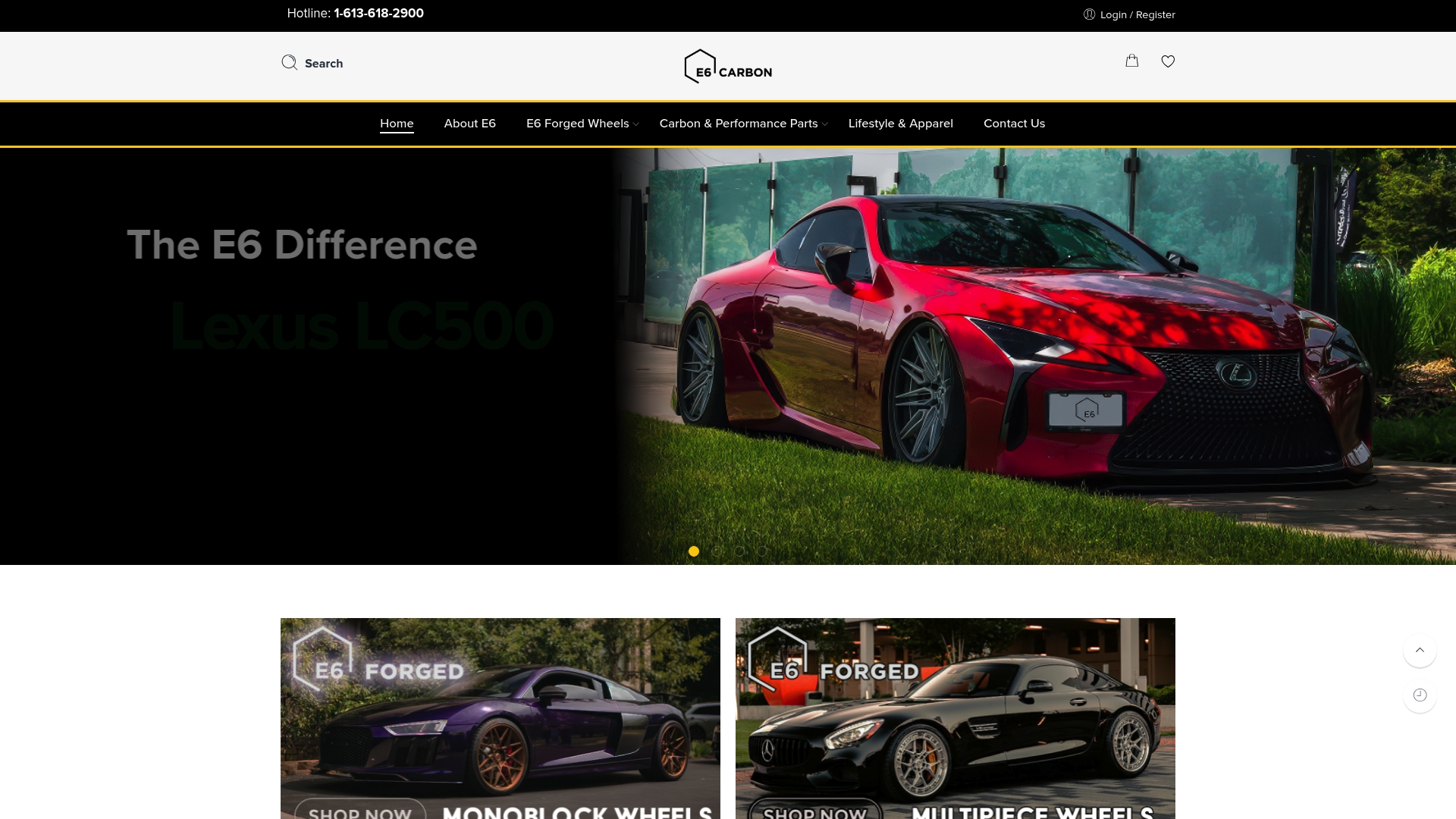
Our forged aluminum construction delivers strength-to-weight ratios that enhance acceleration, braking response, and handling precision. Each wheelset undergoes rigorous quality control to ensure consistent finish quality and dimensional accuracy. Multi-piece designs enable precise offset adjustments and distinctive aesthetic profiles impossible with monoblock alternatives.
Explore our specialized collections designed for show car applications. The ss7 multipiece wheels feature aggressive concave profiles suited to wide-body builds and performance-oriented vehicles. For classic styling with modern engineering, consider our ar03 multipiece wheels that complement luxury sedans and grand touring cars. The jf10 multipiece wheels deliver track-focused design with weight optimization for competitive applications.
Custom finish options include brushed, polished, and powder-coated surfaces that match your vehicle’s color scheme and styling direction. Our team works directly with clients to specify dimensions, offsets, and finishes that achieve your vision while maintaining proper fitment and performance characteristics.
Frequently asked questions about show car wheels
Are show car wheels suitable for daily driving?
High-quality forged show car wheels excel in daily driving conditions through superior strength and durability compared to cast alternatives. Their reduced weight improves fuel efficiency and handling response for everyday use. However, wheels with complex finishes or extreme offsets may require more frequent cleaning and careful driving to avoid curb damage.
How do forged wheels compare to cast wheels in durability?
Forged wheels demonstrate significantly greater impact resistance and fatigue strength than cast wheels due to their compressed grain structure. They withstand pothole strikes and curb impacts that would crack or bend cast wheels. This durability advantage justifies their higher initial cost through extended service life and reduced replacement frequency.
What maintenance routine is recommended for preserving wheel finishes?
Weekly cleaning with pH-neutral products prevents brake dust buildup that etches protective coatings. Apply wheel-specific sealants quarterly to maintain hydrophobic properties and finish luster. Remove wheels annually for comprehensive cleaning of barrels and inspection of hidden surfaces where corrosion develops unnoticed.
Can I customize show car wheels to match my vehicle’s style?
Premium manufacturers offer extensive customization including finish options, spoke designs, and precise fitment specifications. Multi-piece wheels provide maximum flexibility through interchangeable components that adjust offset and width. Custom powder coating, polishing, or brushing creates exact color matches to your vehicle’s aesthetic direction.
What fitment errors should I avoid when buying show car wheels?
Incorrect offset causes the most common problems, pushing wheels too far outboard into fenders or inboard into suspension components. Verify brake caliper clearance before purchase, as performance brake upgrades often require specific spoke designs. Always confirm load ratings match your vehicle’s weight and intended usage to prevent structural failures.