TL;DR:
- Choosing accessories for luxury cars requires prioritizing quality, performance impact, safety compatibility, brand credibility, and cohesive design.
- Performance upgrades like high-quality tires and brake kits offer measurable safety and handling benefits, while interior and exterior accessories should avoid safety interference and prioritize subtle refinement.
- Excessive or inconsistent modifications can diminish a vehicle’s value and appeal, so restraint and timeless choices ensure long-term satisfaction.
Choosing accessories for a Ferrari, Lamborghini, or Mercedes-AMG isn’t like picking floor mats for a sedan. The stakes are different. One wrong choice can interfere with advanced safety systems, erode resale value, or simply look out of place on a machine that cost six figures. The luxury automotive aftermarket is flooded with products that promise premium quality but deliver generic results. What separates a truly worthy upgrade from an expensive mistake comes down to a handful of criteria that most buyers overlook until it’s too late. This guide cuts through the noise with expert-vetted picks and a clear framework for making the right call.
Table of Contents
- How to choose luxury car accessories: Key criteria
- Performance essentials: Tires, brakes, and safety upgrades
- Aesthetics and comfort: Interior and exterior luxury touches
- Standout picks: Value, innovation, and brand recommendations
- Quick comparison: Luxury accessory selection at a glance
- Why less can be more: The art of restraint in luxury upgrades
- Upgrade your luxury car with premium solutions
- Frequently asked questions
Key Takeaways
| Point | Details |
|---|---|
| Selection matters | Choosing accessories with care ensures luxury cars retain value and performance. |
| Real performance upgrades | Premium tires and brake kits provide tangible safety and handling benefits. |
| Subtle luxury stands out | Aesthetically refined, brand-authentic accessories make the biggest impression. |
| Research before buying | Check compatibility and reviews before adding any accessory to your vehicle. |
How to choose luxury car accessories: Key criteria
Ordinary accessories aren’t built for extraordinary cars. The tolerances are tighter, the safety systems are more complex, and the expectations are higher. Before you spend a dollar, you need a clear set of criteria.
Here are the five qualities that separate premium accessories from everything else:
- Quality and durability: Materials must match or exceed OEM standards. Carbon fiber, forged aluminum, and full-grain leather are the benchmarks.
- Performance impact: Every upgrade should either improve handling, reduce weight, or enhance driver feedback. Decorative-only additions rarely justify the cost.
- Safety compatibility: Advanced driver assistance systems (ADAS), airbag sensors, and lane-keeping hardware are sensitive. An incompatible accessory can disable critical safety functions.
- Brand heritage: Established manufacturers with motorsport pedigrees carry credibility. Unknown brands with no testing data are a gamble.
- Design coherence: The upgrade should look like it belongs on the car, not bolted on as an afterthought.
Not every luxury owner prioritizes these the same way. A luxury car buyer survey from McKinsey found that luxury owners prioritize quality and heritage, while enthusiasts focus on driving dynamics and status-driven buyers value exclusivity and design above all else. Knowing which camp you fall into helps you filter options faster.
“The most common mistake we see is buyers choosing accessories based on looks alone, without verifying fitment or safety system compatibility. That’s how a $500 purchase becomes a $5,000 repair.”
Pro Tip: Before purchasing any accessory, cross-reference the product’s fitment guide with your vehicle’s build sheet. Many luxury models have multiple trim-specific configurations that affect compatibility.
For a broader look at what separates good from great upgrades, explore top performance parts curated specifically for luxury vehicles.
Performance essentials: Tires, brakes, and safety upgrades
Once you know what to look for, the next step is identifying the must-have performance and safety upgrades that deliver real-world benefits.
Tires are the single point of contact between your car and the road. On a luxury SUV, the Bridgestone Alenza 001 is a standout. Wet braking 10-15% better than average competitors, stopping from 60 mph in approximately 130 feet, with hydroplaning resistance that outperforms rivals by 9%. That’s not marketing language. That’s measured performance.
For sports cars, the Yokohama ADVAN Sport V107 and Continental WinterContact TS 860 S cover the performance and seasonal spectrum. Each brings a specific advantage depending on your driving environment.
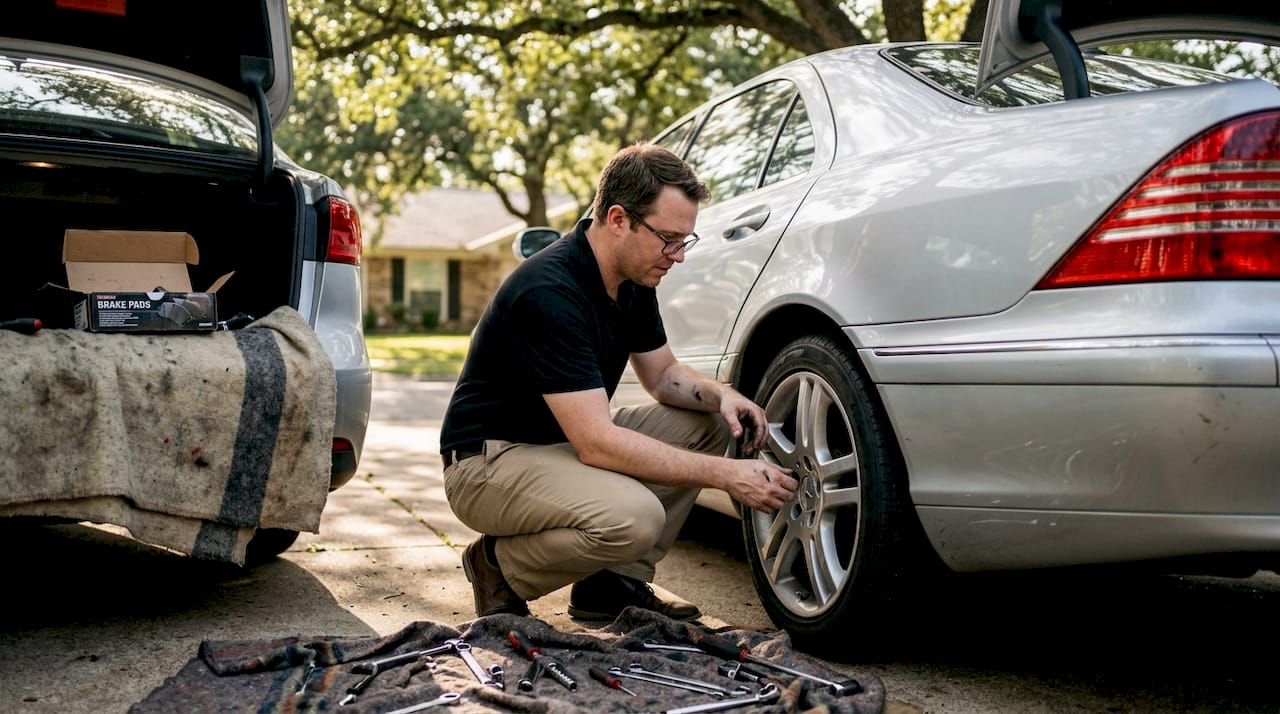
Brakes are equally critical. The difference between a quality big brake kit and a stock setup becomes obvious the moment you need it most.
| Brake kit | Pedal feel | Track durability | Best for |
|---|---|---|---|
| Brembo Pista | Exceptional | 40% pad life at 18k miles | Track and street use |
| AP Racing Pro | Progressive | High fade resistance | Dedicated track builds |
| OEM upgraded | Firm | Moderate | Daily luxury driving |
The Brembo Pista review data is particularly compelling: after 18,000 miles and eight track days, pads remained at 40% life. That’s the kind of longevity that justifies the premium.
For Ferrari owners considering a Ferrari 488 brake upgrade, the performance gap between OEM and a Brembo Pista setup is significant under repeated hard braking.
Safety-forward accessories like weatherproof floor mats and cargo liners also belong in this category. They protect the interior without touching any sensor or safety system. Explore performance upgrades that pair well with these foundational improvements.
Aesthetics and comfort: Interior and exterior luxury touches
Performance matters, but the ultimate luxury experience also comes from refinement inside and out.
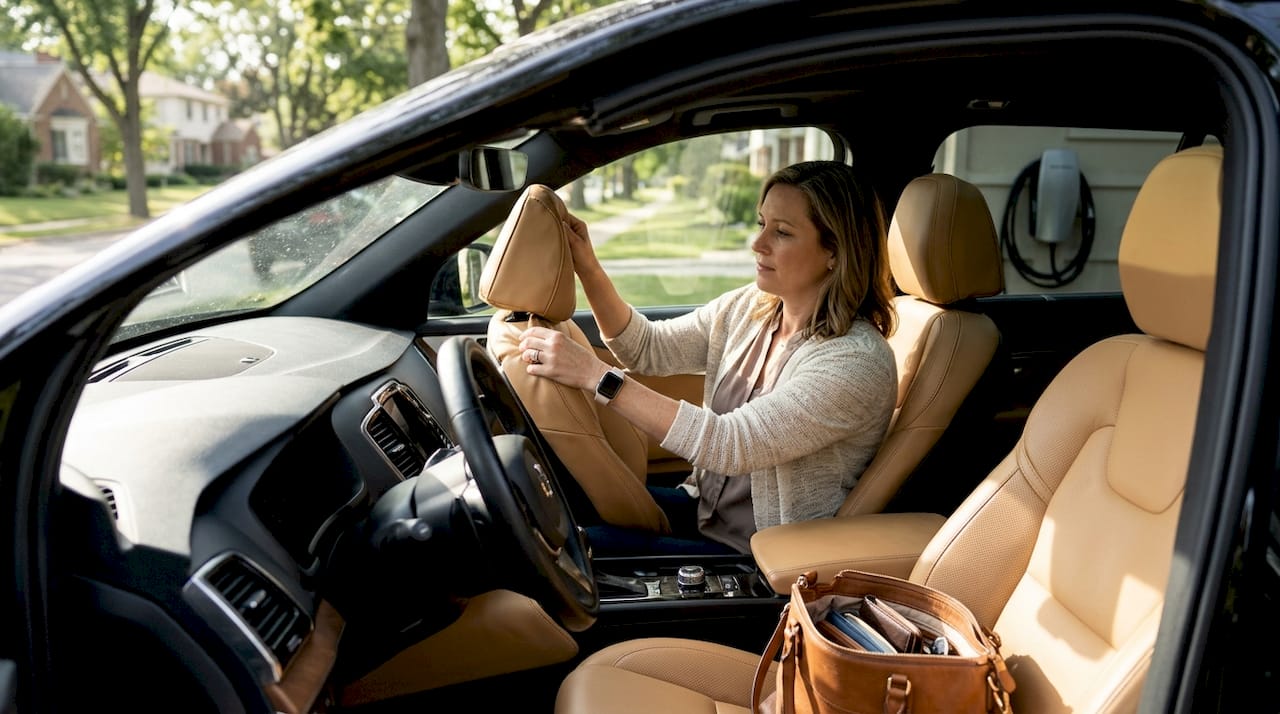
Interior accessories set the tone the moment you open the door. The materials you choose communicate quality before the engine even starts. Carbon fiber trim panels, Alcantara headliners, and tailored leather seat covers all elevate the cabin without altering the vehicle’s structure.
Here’s a quick breakdown of interior upgrade categories:
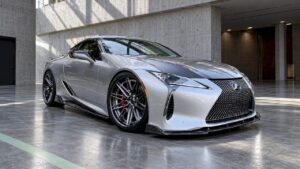
- Dashboard covers: Reduce glare, protect against UV fading, and add a custom look. A dashboard cover upgrade for the Lexus LC500 is a good example of a subtle, high-impact change.
- Floor mats: Weatherproof options outperform OEM for spill protection and durability.
- Cargo liners: Protect trunk surfaces without permanent modification.
- Carbon fiber trim: Lightweight, visually striking, and consistent with a performance aesthetic.
However, not all interior accessories are safe to install. Consumer Reports recommends weatherproof mats and cargo liners over OEM alternatives, but explicitly warns against seat rotators, add-on belt pads, and aftermarket steering wheel covers. These products interfere with airbags and seat sensors, creating serious safety risks.
| Accessory | Recommended | Risk level |
|---|---|---|
| Weatherproof mats | Yes | None |
| Cargo liners | Yes | None |
| Seat rotators | No | High |
| Belt pads | No | Moderate |
| Steering covers | No | High |
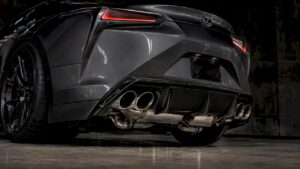
Exterior upgrades follow the same rule: form should follow function. Subtle aero pieces, carbon fiber mirror caps, and diffuser additions all improve airflow without compromising the vehicle’s visual balance. Explore interior enhancements that align with these principles.
Pro Tip: Subtle, cohesive customization consistently commands higher resale values than bold, polarizing modifications. Buyers pay a premium for cars that look factory-intentional.
Standout picks: Value, innovation, and brand recommendations
With the foundations of performance and aesthetics covered, let’s look at the best recommendations for your next purchase.
- Bridgestone Alenza 001 for luxury SUVs: Best-in-class wet performance and hydroplaning resistance. A clear first choice for year-round driving.
- Yokohama ADVAN Sport V107: Compared to its predecessor, it delivers 8% better wet performance, 15% longer tread life, and 5% lower rolling resistance. That’s measurable progress, not just a model refresh.
- BFGoodrich G-Force Phenom T/A: For BMW owners watching their budget, this tire is 35% cheaper than Michelin PS4S while delivering progressive handling and strong wet grip. The only limitation is availability in wider sizes.
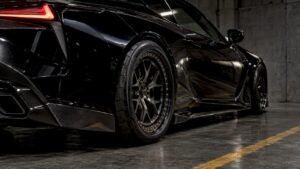
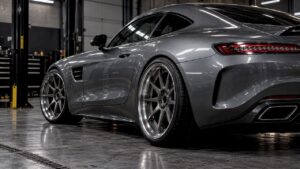
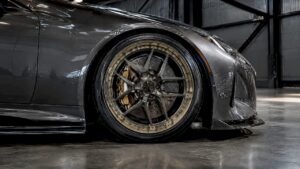
- Custom forged wheels: Weight reduction through forged construction directly improves steering response and braking distance. Understanding custom wheels insight helps you choose the right construction for your application.
- Adaptive lighting upgrades: LED and laser headlight retrofits improve visibility without altering the car’s exterior profile significantly.
“The best accessory is the one you stop noticing because it feels like it was always there. That’s the standard we hold every product to.”
Pro Tip: Authentic luxury accessory brands publish independent test data, fitment specifications, and material certifications. If a brand can’t provide any of these on request, treat that as a red flag.
A wheel finish guide is also worth reviewing before committing to a specific finish. Gloss, satin, and brushed finishes each age differently depending on climate and maintenance habits.
Quick comparison: Luxury accessory selection at a glance
To bring everything together, here’s a streamlined reference for comparing top accessory picks.
| Accessory category | Best for | Top pick | Key benefit |
|---|---|---|---|
| Performance tires | Enthusiasts | Yokohama ADVAN Sport V107 | Wet grip, tread longevity |
| Budget performance tires | Value seekers | BFGoodrich G-Force Phenom T/A | 35% savings vs. Michelin |
| Brake kits | Track drivers | Brembo Pista | Fade resistance, long life |
| Interior protection | Comfort buyers | Weatherproof mats/liners | Safety-compliant protection |
| Wheels | All profiles | Forged multipiece | Weight reduction, fitment |
| Exterior trim | Status buyers | Carbon fiber accents | Visual impact, lightweight |
As McKinsey’s research confirms, luxury owners’ needs diverge significantly. Some prioritize driving dynamics, others exclusivity, and others lasting quality. Your accessory strategy should reflect which of these drives your decisions.
Here’s a final checklist before you buy:
- Confirm fitment against your specific trim level and build date
- Verify the accessory does not interfere with ADAS or airbag systems
- Check for independent test data or certified performance claims
- Evaluate the brand’s track record in motorsport or luxury OEM supply chains
- Consider resale impact before committing to highly personalized modifications
For a complete overview of what works across the full spectrum of luxury vehicles, the luxury performance overview is a strong starting point.
Why less can be more: The art of restraint in luxury upgrades
Here’s something most accessory guides won’t tell you: over-customizing a luxury car often makes it worth less, not more. We’ve worked with owners who stacked upgrade after upgrade, each individually impressive, and ended up with a car that felt busy and unfocused. The vehicle lost its identity.
The cars that hold their value and generate the most admiration are the ones where every modification feels inevitable. Nothing looks added. Everything looks designed. That’s not an accident. It takes more discipline to choose three perfect upgrades than to install ten mediocre ones.
Quality and subtlety protect your investment. A set of properly spec’d forged wheels and a carbon fiber accent piece will do more for a car’s presence than a full exterior kit that fights the original design language. We’ve seen this pattern repeat across hundreds of builds. The owners who exercise restraint are consistently the most satisfied, and their cars command the strongest resale prices.
Choosing timeless performance choices over trend-driven modifications is a discipline worth developing early.
Upgrade your luxury car with premium solutions
If you’re ready to apply these insights, the most advanced solutions are available right now through E6 Carbon and E6 Forged.
The AR03 Multipiece Wheels represent exactly the kind of purposeful upgrade this guide advocates for. Precision-engineered, available in bespoke finishes, and built to reduce unsprung weight without sacrificing structural integrity. For those curious about alternative construction, the guide to carbon fiber wheels addresses common misconceptions and real-world performance data. And if you’re moving forward with a wheel installation, the forged wheel installation guide walks you through every step with precision.
Frequently asked questions
What are the safest luxury car accessories to install?
Weatherproof mats and cargo liners are among the safest options available, as they provide spill protection over OEM without interfering with airbags or seat sensors.
Which high-performance tire is best for wet conditions in 2026?
The Bridgestone Alenza 001 leads in wet conditions, with wet braking 10-15% better than average and superior hydroplaning resistance for luxury SUVs.
What interior accessories should be avoided for luxury cars?
Avoid seat rotators, add-on belt pads, and aftermarket steering wheel covers. These products can interfere with airbags and disable critical seat sensors.
Are all aftermarket accessories compatible with luxury vehicles?
No. Some accessories cause malfunctions in advanced safety systems, so always verify compatibility with your specific make, model, and trim level before purchasing.
What’s the best value performance tire alternative to Michelin PS4S in 2026?
The BFGoodrich G-Force Phenom T/A is 35% cheaper than Michelin PS4S and delivers strong handling and wet grip for BMW owners seeking performance without the premium price tag.