TL;DR:
- Choosing forged wheels enhances strength, reduces weight, and improves vehicle performance and durability.
- Proper fitment verification including brake clearance, offset, and bore size prevents safety issues and mechanical Damage.
- Professional installation and regular maintenance extend wheel lifespan and ensure optimal safety and appearance.
Choosing the wrong set of custom wheels for a high-performance vehicle is not just an aesthetic mistake. It can compromise braking distance, introduce dangerous vibration, and void manufacturer warranties on suspension components. The stakes are real, and the margin for error on a Ferrari, Lamborghini, or BMW M car is essentially zero. Getting it right means understanding fitment science, construction technology, and your own driving priorities before you ever browse a catalog. This guide walks you through every stage of that process, from setting goals and gathering specs to installation and long-term care, so your investment delivers exactly what you expect.
Table of Contents
- Clarifying your wheel needs and preparation steps
- Comparing wheel construction: forged vs. cast
- Step-by-step custom wheels selection process
- Verification, installation, and ongoing care
- A performance enthusiast’s view: what really matters when buying custom wheels
- Take your custom wheel upgrade further with expert solutions
- Frequently asked questions
Key Takeaways
| Point | Details |
|---|---|
| Start with clear goals | Know your performance needs and desired aesthetics before shopping for custom wheels. |
| Verify fitment meticulously | Carefully check all technical specs to guarantee a perfect and safe wheel fit for your vehicle. |
| Choose construction wisely | Forged wheels offer top-tier strength and weight savings compared to cast alternatives. |
| Install with care | Professional installation and using hub-centric rings ensure safety, longevity, and optimal performance. |
Clarifying your wheel needs and preparation steps
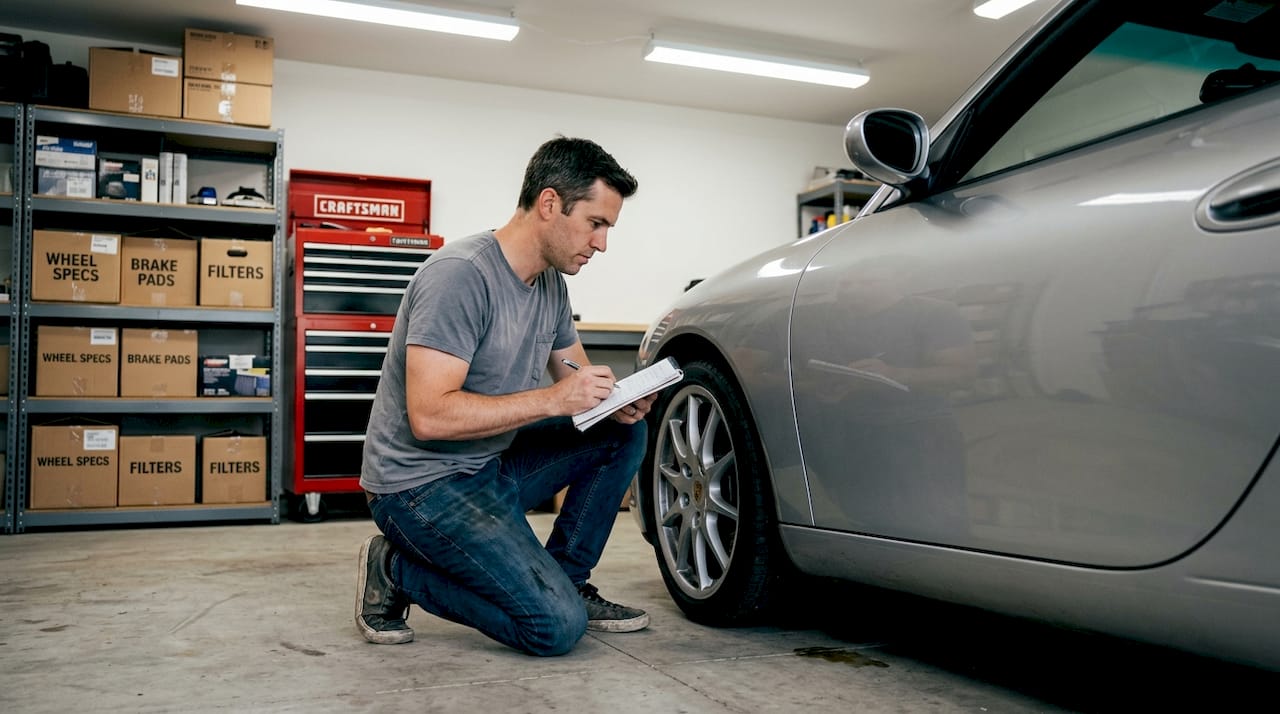
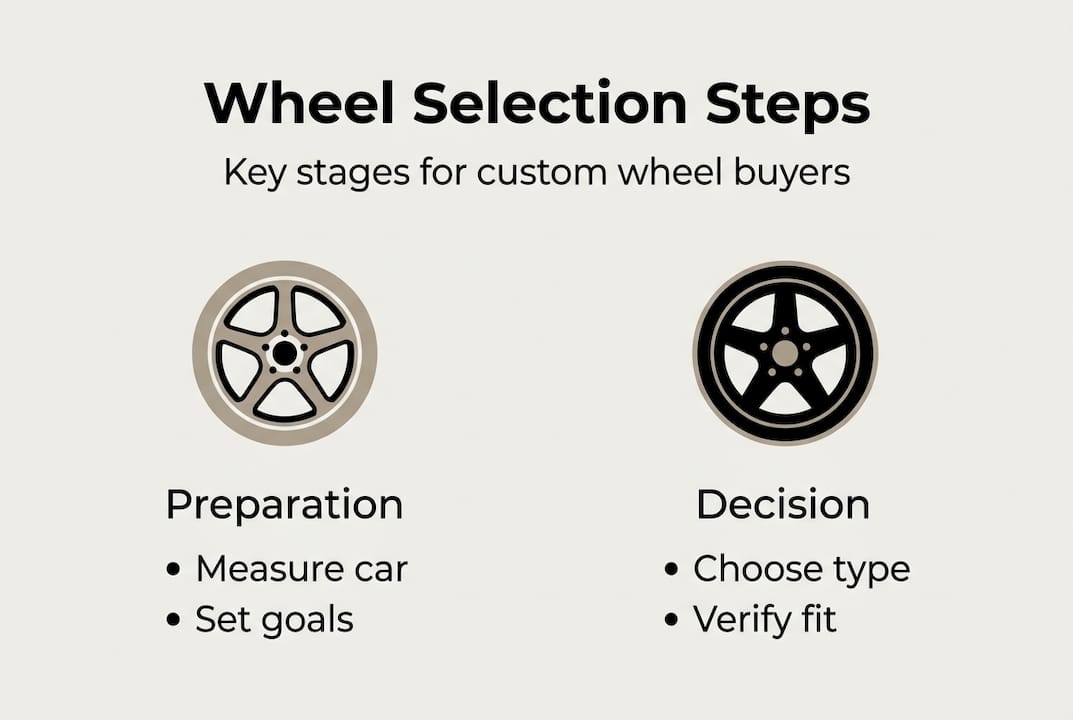
Before you start comparing finishes or dreaming about spoke counts, you need a clear picture of what you actually want from a new set of wheels. Performance goals, aesthetic direction, and intended use (street, track, or show) will shape every decision that follows. Skipping this step is how enthusiasts end up with stunning wheels that rub the fender at full lock or flex under hard braking loads.
Start by defining three things: what you want the wheels to do, how you want them to look, and which brands align with your quality expectations. A track-focused build demands different priorities than a concours show car. Once you know your intent, the technical research becomes much more focused.
Next, gather your vehicle’s critical fitment specs. These are non-negotiable numbers that determine whether a wheel physically fits your car safely:
- Bolt pattern (PCD): The number of lug holes and their diameter (e.g., 5×120 for many BMWs)
- Center bore: The hub bore diameter on both the wheel and vehicle
- Offset (ET): How far the wheel face sits inward or outward relative to the hub
- Diameter and width: The rim size in inches
- Load rating: The maximum weight each wheel must safely support
Brake clearance is one of the most overlooked specs. Larger brake calipers on performance vehicles, like Brembo setups on McLarens or Porsches, require specific minimum inner diameter clearance. Always cross-reference caliper dimensions before finalizing diameter.
For a deeper look at how these specs interact with your specific build, the wheel customization guide at E6 Carbon covers the technical relationships in practical detail. If you own a luxury vehicle, the custom wheels for luxury cars resource adds brand-specific context worth reviewing.
Pro Tip: Pull your vehicle’s factory wheel spec sheet from the owner’s manual or the door jamb sticker. Cross-reference it with wheel sizing and test-fit advice from a trusted source before you commit to any size change.
| Spec | Where to find it | Why it matters |
|---|---|---|
| Bolt pattern | Door jamb / manual | Determines lug compatibility |
| Center bore | Wheel catalog / OEM data | Prevents vibration and stress |
| Offset (ET) | OEM spec sheet | Controls track width and clearance |
| Load rating | Wheel manufacturer | Ensures safe weight support |
Reducing unsprung mass improves acceleration and braking response, which is why the wheel construction you choose in the next step matters as much as the fitment numbers. For guidance on matching wheels to your car, E6 Carbon’s expert guide walks through the full compatibility process.
Comparing wheel construction: forged vs. cast
With your vehicle specs in hand, the next decision is construction method. This is where performance and exclusivity separate from commodity products.
Cast wheels are produced by pouring molten aluminum into a mold. The process is cost-effective and allows for complex shapes, but the resulting grain structure is less uniform, which limits strength and increases weight. Cast wheels are perfectly adequate for daily drivers, but they are not the right choice for a car that sees track days or demands the absolute best.
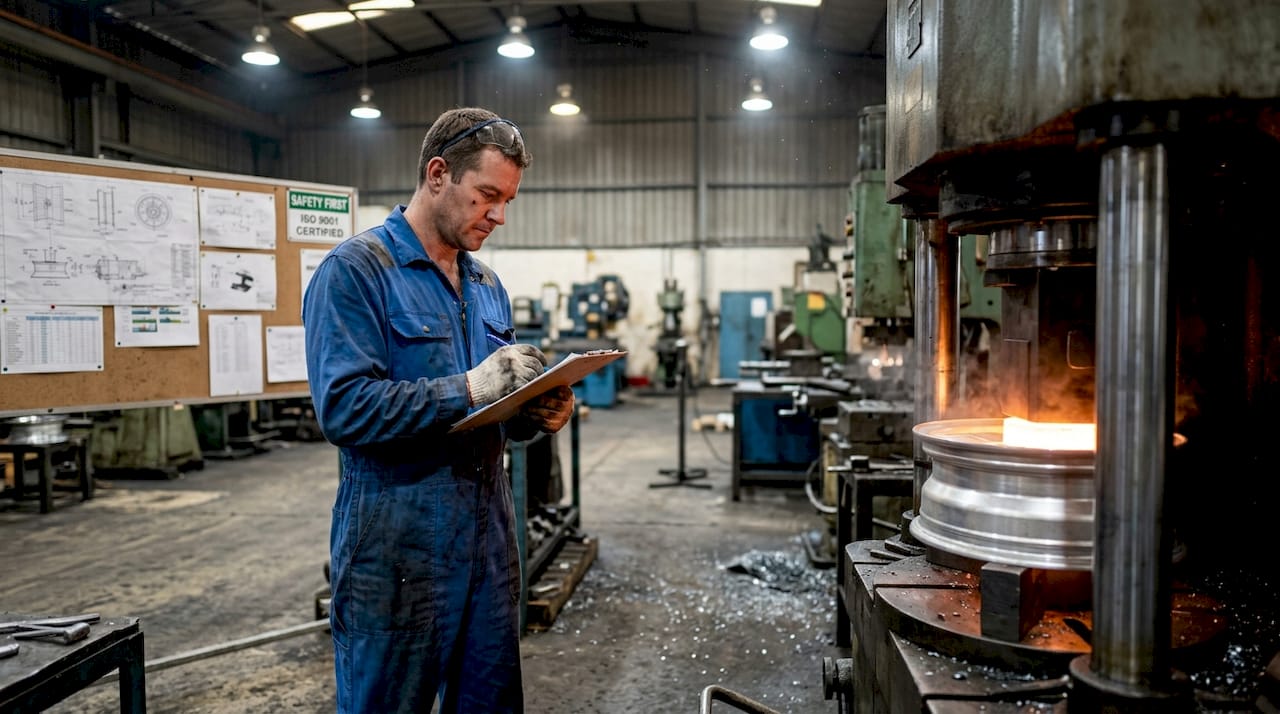
Forged wheels are shaped under extreme pressure from a solid billet of aluminum. This process aligns the grain structure, producing a wheel that is dramatically stronger and lighter. The data is clear: forged wheels weigh 6.4kg vs 7.9kg per 15x7in, survive fatigue testing at 99% vs 84%, and absorb 92J vs 68J before fracture. That is not a marginal difference. It is the gap between a wheel that survives a curb strike and one that cracks.
| Property | Forged | Cast |
|---|---|---|
| Weight (15x7in) | 6.4 kg | 7.9 kg |
| Fatigue survival | 99% | 84% |
| Impact resistance | 92J | 68J |
| Cost | Higher | Lower |
| Best use | Track / performance | Street / daily |
For luxury and performance vehicles, the weight savings from forged construction compound across the entire drivetrain. Lighter wheels reduce rotational inertia, which means the engine works less to accelerate and the brakes work less to stop. On a Lamborghini Huracan or a McLaren 720S, that translates to measurable lap time improvements and sharper steering feel.
Multi-piece forged wheels add another layer of customization. The barrel, center, and lip are manufactured separately and bolted together, allowing precise offset adjustments and finish combinations that monoblock wheels cannot match. This is why serious builders often gravitate toward them.
For a full breakdown of how construction affects on-track behavior, the racing wheels performance guide covers the engineering behind the numbers. If you are curious about the next frontier, carbon fiber wheels insights address the myths and realities of that technology. Finish selection, which affects both durability and appearance, is covered in the wheel finish guide.
- Forged monoblock: lightest single-piece option, maximum structural integrity
- Forged multi-piece: maximum customization, adjustable offset, premium aesthetics
- Flow-formed: a mid-tier option with some forged characteristics at lower cost
- Cast: entry-level, suitable for non-performance applications
Step-by-step custom wheels selection process
With your specs confirmed and construction method chosen, follow this structured workflow to avoid the most common and costly mistakes.
- Confirm brake clearance first. Measure the caliper height and width, then verify the wheel’s inner diameter provides at least 5mm of clearance on all sides. This step alone eliminates most fitment disasters.
- Lock in your diameter. The smallest diameter clearing brakes (typically 19 inches on modern sports cars) optimizes sidewall height and handling balance. Going larger purely for looks often sacrifices ride quality and tire cost.
- Calculate offset precisely. A wheel with incorrect offset will either rub the inner fender liner or push the tire outside the body line. Use a wheel offset calculator and cross-reference with the wheel fitment expert guide.
- Verify center bore compatibility. If the wheel’s center bore is larger than the hub, you will need hub-centric rings. If it is smaller, the wheel will not fit at all.
- Check load rating. Add the vehicle’s curb weight to any additional load, divide by four, and confirm the wheel’s rated capacity exceeds that number with a safety margin.
- Request a test-fit or use proven fitment data. Never assume a wheel fits based on diameter and bolt pattern alone. Offset and clearance variations between manufacturers are significant.
“Fitment is a system, not a single number. Every spec interacts with every other spec, and a mistake in one dimension can cascade into a safety issue or a ruined finish.” — E6 Forged engineering team
Pro Tip: Before ordering, use the performance wheel selection tool to cross-reference your vehicle’s fitment data against verified wheel specs. It saves time and eliminates guesswork.
Common mistakes at this stage include overfocusing on aesthetics before confirming fitment, skipping the test-fit step, and ignoring hub-centric ring requirements. The forged wheel installation steps guide walks through each of these pitfalls with practical solutions.
Verification, installation, and ongoing care
Selecting the right wheel is only half the process. Improper installation can undo every technical advantage you just built into your choice.
Before mounting, verify every piece of hardware:
- Lug nuts or bolts: Must match the wheel’s seat type (conical, ball, or flat). Using the wrong seat type can cause the wheel to loosen under load.
- Torque specs: Always torque to the manufacturer’s specification in a star pattern. Over-torquing warps brake rotors; under-torquing allows the wheel to shift.
- Hub-centric rings: If your wheel bore is larger than the vehicle hub, install hub-centric rings to center the wheel precisely and eliminate vibration at speed.
- Thread engagement: Confirm adequate thread engagement depth for the lug fastener. Shallow engagement is a failure point under hard cornering.
“A torque wrench is not optional. It is the single most important tool in a wheel installation, and skipping it is the fastest way to damage a rotor or lose a wheel.”
For a complete walkthrough of the mounting process, the detailed wheel installation guide covers every step with torque tables and hardware recommendations.
Once installed, your maintenance regimen determines how long the wheels perform and look their best:
- Clean with pH-neutral wheel cleaner weekly to prevent brake dust etching on the finish
- Re-torque lug fasteners after the first 50 miles of driving following installation
- Inspect for curb rash, cracks, or finish damage every 6,000 miles
- Check tire pressure monthly, as improper inflation accelerates rim wear at the bead seat
- Store seasonal wheels on a flat surface, away from UV exposure and temperature extremes
For a broader view of protecting your investment over time, the wheel upgrade guide covers long-term care strategies specific to forged and multi-piece wheels.
A performance enthusiast’s view: what really matters when buying custom wheels
After years of working with serious collectors and track drivers, one pattern stands out clearly. The buyers who end up most satisfied are almost never the ones who chased the largest diameter or the rarest finish. They are the ones who prioritized technical fitment and construction quality, then let aesthetics follow from those constraints.
The market is full of wheels that look exceptional in photos and disappoint on the road. Low-grade hardware, improper load ratings, and chrome finishes that cannot survive brake heat are common shortcuts that cost buyers far more in the long run than a premium set would have.
The insight that most enthusiasts reach after one or two wheel purchases is that subtle customization, a perfectly spec’d offset, a satin finish that ages well, a spoke design that complements the car’s body lines without competing with them, delivers more long-term satisfaction than anything flashy. Wheel design’s influence on both aesthetics and performance is something worth studying before you finalize your choice. Buy for the driving experience first. The visual impact will follow naturally.
Take your custom wheel upgrade further with expert solutions
Inspired to pursue your ideal custom wheel setup? E6 Carbon and E6 Forged offer a curated range of performance-engineered wheels built specifically for the demands of luxury and sports vehicles.
From the precision-crafted AR03 multipiece wheels to a full library of fitment-verified options for BMW, Ferrari, McLaren, and beyond, every product is backed by engineering data and real-world track validation. The forged wheel installation guide ensures your upgrade goes on correctly the first time. If you are still exploring your options, the custom wheels for luxury cars resource helps you narrow the field based on your vehicle and performance goals.
Frequently asked questions
What are the main benefits of forged wheels over cast wheels?
Forged wheels are lighter and stronger than cast alternatives, with superior fatigue survival and impact resistance that directly improve acceleration, braking, and long-term durability.
How do I make sure custom wheels will fit my sports car?
Always verify diameter, width, offset, bolt pattern, and center bore against your vehicle’s specs, and use test-fit or proven data before purchasing to avoid costly fitment errors.
Can I install custom wheels myself, or should I get professional help?
Professional installation is strongly recommended for high-performance wheels, as correct torque specs, hub-centric ring fitment, and hardware selection require precision that is difficult to achieve without proper tools and experience.
What maintenance is required for custom wheels?
Regular cleaning with pH-neutral products, re-torquing after the first 50 miles, and periodic inspections for cracks or finish damage will keep your wheels performing and looking their best long-term.
Are hub-centric rings necessary when installing custom wheels?
Yes, if your wheel’s center bore is larger than the vehicle hub, hub-centric rings are essential to center the wheel correctly and eliminate vibration at speed.