Choosing the right performance upgrades for your BMW, Ferrari, or Lamborghini isn’t just about adding power. The wrong exhaust can upset factory aero balance, while poorly matched suspension can compromise handling precision. With thousands of aftermarket options flooding the market, luxury car owners face a minefield of compatibility issues, warranty concerns, and potential performance losses. This research-backed checklist cuts through the noise, delivering expert-vetted upgrade paths that respect your exotic’s engineering while unlocking genuine gains in power, handling, and driving experience.
Table of Contents
- How to choose the right upgrades
- Top performance upgrades: The essentials list
- BMW, Ferrari, and Lamborghini: Make-specific upgrade notes
- Performance parts comparison table
- Situational recommendations: Street, track, and show builds
- Next steps: Level up your performance safely
- Frequently asked questions
Key Takeaways
| Point | Details |
|---|---|
| Prioritize key upgrades | Exhaust, ECU tuning, and wheels provide substantial performance gains with the best cost-benefit ratio. |
| Tailor to your use | Choose parts based on whether your car is for street, track, or show to maximize both performance and legality. |
| Expert installation matters | Luxury sports cars demand installation by specialists to maintain value, safety, and compliance. |
| Review brand nuances | Ferrari, Lamborghini, and BMW each have unique upgrade priorities and pitfalls—research before buying. |
How to choose the right upgrades
Before you start shopping for parts, understand your car’s baseline strengths and weaknesses. Ferrari’s naturally aspirated V8s respond differently to intake mods than BMW’s turbocharged inline-sixes. Your factory setup already represents millions in engineering, so upgrades should enhance, not fight against, that foundation.
Define your primary use case clearly. Street-driven exotics need valved exhausts and emissions-compliant catalytic converters, while track-focused builds can prioritize coilovers, upgraded brakes, and front-mount intercoolers. Daily drivers benefit from reversible modifications that preserve resale value and factory warranty coverage.
Prioritize non-destructive installations whenever possible. Bolt-on upgrades like wheels, exhaust systems, and intake kits can be removed without permanent alterations. This approach protects your investment and maintains flexibility as your needs evolve. For street-legal operation in regulated markets, emissions compliance isn’t optional. Many European and North American jurisdictions require catalytic converters and noise limits that aftermarket exhausts must meet.
Pro Tip: Consult shops with exotic-specific experience before committing to any major modification. Generic tuners often lack the DCT programming knowledge or valvetrain expertise required for safe Ferrari or Lamborghini upgrades.
Top performance upgrades: The essentials list
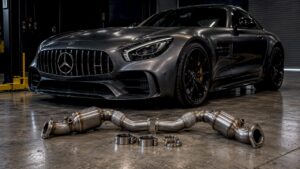
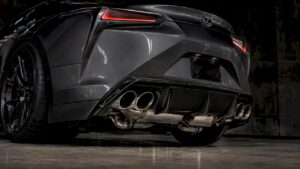
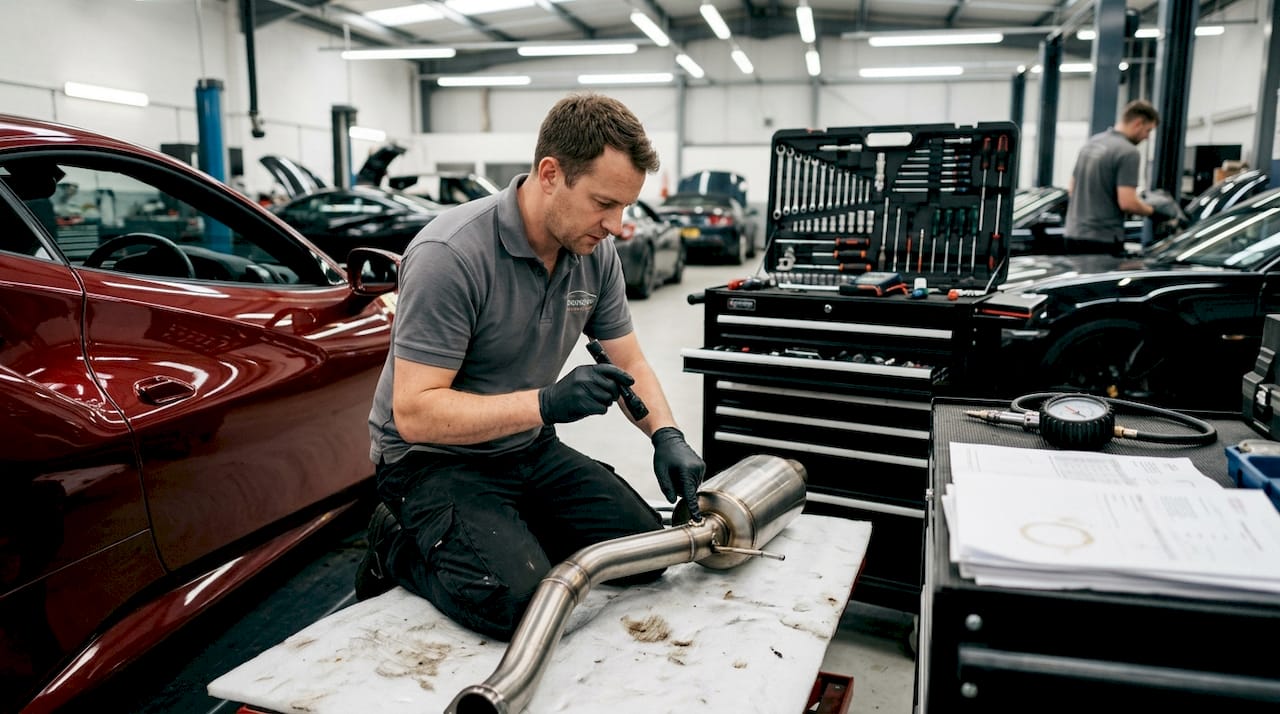
Exhaust systems deliver the most immediate transformation in sound, weight, and power. Titanium constructions save 15-20 kilograms over stock while eliminating restrictive catalytic converters and mufflers. Valved designs let you toggle between civilized street manners and full race volume. High-flow catalytic converters maintain emissions compliance while reducing backpressure, making them ideal for daily-driven supercars.
ECU tuning unlocks hidden potential across the powerband. Ready-made kits from specialists like Novitec or TREV offer plug-and-play solutions with proven dyno results. Custom maps tailored to your specific modifications extract maximum gains but require expert calibration on a dyno. Stage 1 tunes typically add 50-80 horsepower on turbocharged BMWs, while naturally aspirated Ferraris see smaller but meaningful improvements in throttle response and rev limits.
Carbon fiber aero kits reduce weight while increasing downforce at speed. Front splitters, rear diffusers, and side skirts work together to manage airflow and improve high-speed stability. Weight savings range from 5-15 kilograms per component, with full kits shaving 30-50 kilograms off curb weight. However, aggressive aero can upset factory balance on models like the 458 Speciale, where Ferrari already optimized aerodynamics for track use.
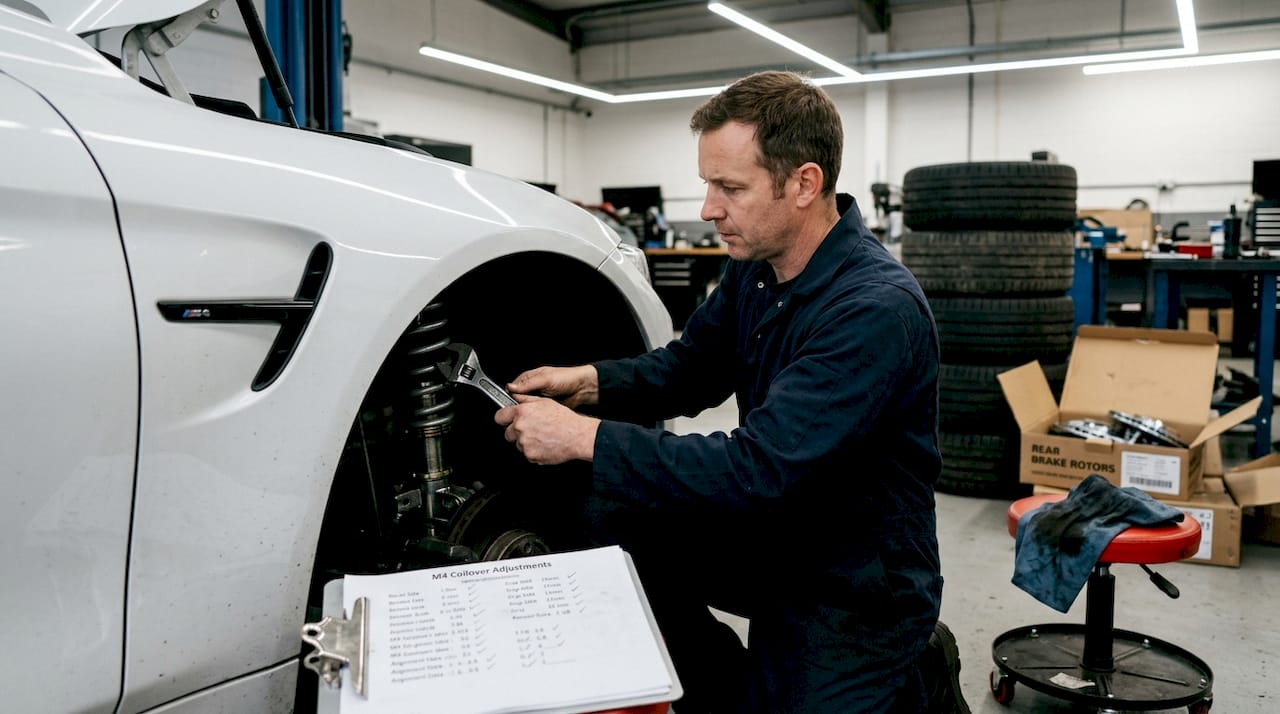
Suspension upgrades transform handling precision and ride quality. Coilover systems offer adjustable damping and ride height for track-focused setups. Lowering springs provide a more affordable entry point while maintaining factory dampers. Upgraded bushings eliminate compliance in control arms and subframes, sharpening turn-in response. For street use, prioritize systems with adjustable rebound and compression to dial in comfort without sacrificing performance.
Brake upgrades are non-negotiable for track work or spirited driving. Carbon-ceramic rotors resist fade under repeated hard stops while shedding unsprung weight. Steel rotor upgrades with multi-piston calipers offer similar stopping power at lower cost. High-performance pads complete the system, with track compounds providing maximum bite and street pads balancing performance with low dust and noise.
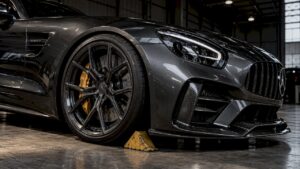
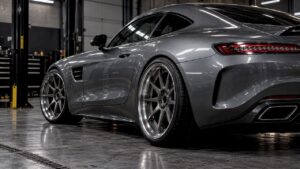
Lightweight wheels deliver multiple benefits simultaneously. Forged aluminum constructions reduce unsprung mass by 20-40% compared to cast factory wheels, improving acceleration, braking, and suspension response. Multi-piece designs allow custom offsets and finishes while maintaining structural integrity. Carbon fiber wheels push weight savings even further but require careful consideration of road conditions and impact resistance.
Intake systems and spacers provide measurable gains on forced-induction engines. Cold air intakes relocate the filter away from engine heat, feeding denser air to the turbochargers. Intake spacers increase plenum volume, smoothing airflow and boosting mid-range torque. Real-world dyno testing shows 15-25 horsepower gains on BMW M cars when paired with appropriate ECU tuning.
“Ferrari upgrades prioritize exhaust, carbon aero, suspension, and ECU tuning. Lamborghini builds focus on exhausts, ECU maps, intakes, spacers, and lowering springs for balanced street and track performance.”
BMW, Ferrari, and Lamborghini: Make-specific upgrade notes
Ferrari owners must respect the brand’s obsessive attention to aero and exhaust balance. Titanium exhaust systems save 15-20 kilograms while enhancing the naturally aspirated V8 and V12 soundtrack without introducing drone. Avoid aggressive aero on Speciale models where factory components already maximize downforce. Novitec Stage 3 kits boost F8 Tributo output to 796 horsepower through N-Tronic ECU tuning combined with full exhaust systems.
Fitment precision matters more on Ferrari than any other brand. Aftermarket wheels must clear massive brake calipers while maintaining proper offset to avoid rubbing. Carbon fiber body panels require expert installation to maintain factory panel gaps and aerodynamic function. Work only with installers who understand Ferrari’s specific torque specs and assembly procedures.
Lamborghini upgrades center on exhaust and ECU optimization for maximum impact. Armytrix systems add 23 horsepower and 42 Newton-meters to Aventador models while delivering the signature Lamborghini roar. Valved exhausts provide essential versatility for cars splitting time between street and track. TREV ECU maps accelerate DCT shift speeds and unlock HGTE power modes on compatible models.
Stick to emissions-legal upgrades if you drive your Lamborghini regularly on public roads. Many jurisdictions enforce strict noise and emissions testing that catless exhausts will fail. High-flow catalytic converters maintain compliance while reducing restriction. For track-only builds, full race exhausts and aggressive ECU maps unlock maximum potential without legal constraints.
BMW’s modular upgrade path allows measured progression without overwhelming stock hardware. Start with intake and exhaust modifications to improve airflow, then add ECU tuning to capitalize on those improvements. Stage 1 software alone adds 50-80 horsepower on S55 and S58 engines, with Stage 2 pushing 100+ horsepower when combined with downpipes and intercoolers.
Avoid over-tuning BMW engines without supporting modifications. Stock turbos, fuel systems, and cooling components have finite capacity. Pushing beyond Stage 2 power levels requires upgraded turbos, fuel pumps, and intercoolers to maintain reliability. The DCT transmission also has torque limits that aggressive tunes can exceed, leading to expensive failures.
Pro Tip: For maximum safety and performance, work with installers who understand DCT programming and valvetrain nuances specific to exotic powertrains. Generic tuning shops lack the specialized knowledge required for safe Ferrari and Lamborghini modifications.
Performance parts comparison table
| Upgrade Category | Brand Example | Power Gain | Weight Change | Street Legal | Cost Range |
|---|---|---|---|---|---|
| Titanium Exhaust | Ferrari 458 | +15-25 hp | -15 to -20 kg | With cats: Yes | $8,000-$15,000 |
| Full Exhaust | Aventador (Armytrix) | +23 hp | -12 kg | Valved: Yes | $10,000-$18,000 |
| ECU Tune Stage 1 | BMW M3/M4 | +50-80 hp | 0 kg | Depends on region | $800-$2,000 |
| ECU Stage 3 | Ferrari F8 (Novitec) | +100 hp | 0 kg | With emissions: Yes | $5,000-$8,000 |
| Forged Wheels | Multi-brand | 0 hp | -8 to -15 kg per set | Yes | $4,000-$12,000 |
| Carbon Wheels | Ferrari/Lamborghini | 0 hp | -20 to -30 kg per set | Yes | $15,000-$30,000 |
| Coilover Kit | BMW/Ferrari | 0 hp | -5 kg | Yes | $3,000-$8,000 |
| Carbon Aero Kit | Lamborghini Huracan | 0 hp | -15 to -25 kg | Depends on design | $8,000-$20,000 |
| Brake Upgrade | Ferrari 488 | 0 hp | -10 to -15 kg | Yes | $6,000-$15,000 |
| Cold Air Intake | BMW S55 | +15-25 hp | -2 kg | Yes | $800-$2,000 |
Titanium exhausts reduce weight by 15-20 kilograms on Ferrari 458 models while enhancing sound quality. Armytrix systems deliver 23 additional horsepower on Aventador applications. These real-world results demonstrate the tangible benefits of properly selected upgrades across luxury marques.
Situational recommendations: Street, track, and show builds
Street builds prioritize compliance, comfort, and reversibility. Start with a valved exhaust system that passes emissions testing while delivering improved sound. Add forged wheels to reduce unsprung weight without compromising ride quality. Stage 1 ECU tuning provides noticeable power gains without stressing stock components. Maintain factory suspension or upgrade to adjustable coilovers with comfortable street settings.
Essential street upgrades:
- Valved titanium exhaust with high-flow catalytic converters
- Forged aluminum wheels in factory sizing
- Stage 1 ECU tune with emissions compliance
- High-performance brake pads for improved stopping
- Cold air intake for turbocharged applications
Track builds maximize performance without street-legal constraints. Install full race exhaust systems with no catalytic converters for maximum flow. Upgrade to carbon-ceramic brakes or aggressive steel rotor kits with race pads. Coilover suspension with track-focused damping and lowered ride height improves cornering. Aggressive ECU maps unlock full power potential when paired with supporting modifications.
Track essentials:
- Full race exhaust with no restrictions
- Carbon-ceramic brake system or track-spec steel rotors
- Coilover suspension with adjustable damping
- Stage 2-3 ECU tuning with supporting mods
- Lightweight wheels with track-focused tire compounds
- Carbon fiber aero components for increased downforce
Show builds emphasize aesthetics and lightweight components over outright performance. Carbon fiber body panels reduce weight while creating visual impact. Multi-piece forged wheels with custom finishes and aggressive fitment dominate the appearance. Interior carbon trim and upgraded steering wheels complete the transformation. Maintain emissions compliance for drivability to and from events.
Show build priorities:
- Carbon fiber hood, trunk, and side panels
- Multi-piece wheels with custom finishes
- Lowered suspension with adjustable air ride
- Valved exhaust for sound without drone
- Carbon interior trim and upgraded upholstery
Match upgrades to intended use for optimal results. Street cars need emissions compliance and comfortable daily driving characteristics. Track builds can sacrifice comfort for maximum performance. Professional installation and proper tuning ensure safe operation across all scenarios.
Next steps: Level up your performance safely
With your upgrade shortlist defined, focus on sourcing components from reputable manufacturers with proven track records. Quality matters exponentially more on exotic cars where improper parts can cause catastrophic failures or void warranties. Research installer credentials thoroughly, prioritizing shops with specific experience on your make and model.
Browse our curated selection of forged AR03 wheels engineered specifically for luxury sports cars. Our carbon fiber wheel guide breaks down the real-world benefits and dispels common myths about lightweight wheel technology. For comprehensive upgrade planning, explore our premium parts list covering every performance category from brakes to aero.
Start with foundational upgrades that deliver broad benefits before moving to specialized components. Wheels, exhaust, and ECU tuning provide the best return on investment for most owners. Add suspension, brakes, and aero as your skills and usage patterns demand. Document all modifications with receipts and installation records to maintain resale value and facilitate future service.
Frequently asked questions
What is the most impactful performance upgrade for a Ferrari?
A titanium exhaust system provides significant weight savings of 15-20 kilograms and an improved sound without drone, boosting both driving excitement and performance. The combination of reduced mass and enhanced exhaust flow delivers noticeable improvements in throttle response and high-RPM power delivery.
Do I need to change ECU tuning after an exhaust upgrade on a Lamborghini?
Most modern exhaust upgrades pair best with remapped ECU to maximize gains and ensure safe operation. TREV maps optimize DCT shift speeds and unlock additional power modes. Always verify emissions compliance requirements in your jurisdiction before finalizing modifications.
Which upgrades are legal for daily-driven luxury sports cars?
Valved exhausts, wheels, and suspension parts that comply with local emissions and MOT regulations are typically street-legal for exotics. High-flow catalytic converters maintain compliance while reducing restriction. Avoid catless exhausts and aggressive aero that may violate noise or safety regulations.
Can I upgrade wheels and brakes without affecting factory warranty?
Many manufacturers allow wheel and brake upgrades using trusted aftermarket brands, but always consult your dealer before making any permanent changes. Document all modifications with professional installation receipts. Some dealers may deny warranty claims if they determine aftermarket parts contributed to a failure.
How much horsepower can I safely add to a BMW M car?
Stage 1 tunes add 50-80 horsepower safely on stock hardware. Stage 2 with supporting modifications can push 100+ horsepower. Beyond that, upgraded turbos, fuel systems, and cooling become necessary to maintain reliability and avoid exceeding DCT torque limits.