
TL;DR:
- Carbon fiber upgrades on the Lexus LC500 include structural aerodynamic panels that reduce weight and aesthetic trim pieces for appearance enhancement. Dry carbon fiber offers superior weight savings and durability for large panels like hoods and diffusers, while wet carbon is suitable for interior and small exterior accents. Proper selection, fitment, and UV protection are essential for maximizing performance, aesthetics, and longevity.
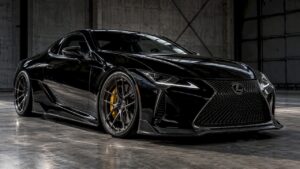
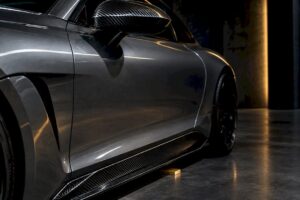
Lexus LC500 carbon fiber parts are precision-engineered, lightweight components designed to reduce vehicle mass and sharpen the coupe’s already striking visual identity. The LC500 sits at the intersection of grand tourer and sports car, and the right carbon fiber upgrades push it decisively toward the latter. E6 Carbon and Velocity Performance Parts both produce LC500-specific components that address everything from aerodynamic downforce to interior trim refinement. The critical distinction every buyer must understand before spending is the difference between dry and wet carbon fiber, because that single specification determines whether you gain real performance or just aesthetics.
What types of Lexus LC500 carbon fiber parts are available?
LC500 carbon fiber upgrades span two distinct categories: structural aerodynamic panels that meaningfully reduce weight, and aesthetic trim pieces that primarily improve appearance. Understanding which category a part falls into determines whether you are buying performance or style. Both are valid goals, but conflating them leads to expensive disappointment.
Structural and aerodynamic parts include:
- Carbon fiber hoods (AeroTech-style dry carbon panels that replace heavy steel)
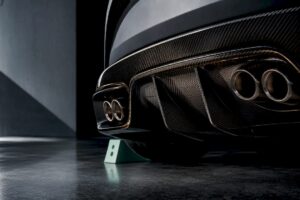
- Rear diffusers (improve underbody airflow and add downforce at speed)
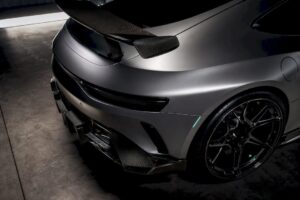
- Rear spoilers and wings (the Carbon-Elite Wing generates measurable downforce)
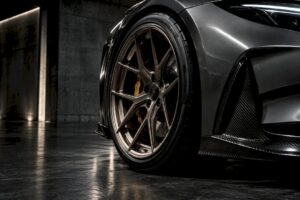
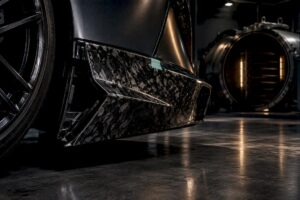
- Front lip splitters and side skirts (part of full aero kit configurations)
Aesthetic and interior trim pieces include:
- Mirror caps (bolt-on replacements for factory plastic housings)
- Tail light covers (add visual depth to the rear fascia)
- Shift knob covers (interior carbon accents)
- Bumper vent covers (subtle exterior detailing)
- Door scuff plates and badge overlays
Carbon fiber upgrades can transform a vehicle’s aesthetics while maintaining or reducing overall weight, but the degree of weight reduction depends entirely on part size and material specification. A shift knob cover weighs grams. A carbon fiber hood replaces several kilograms of steel.
How do dry carbon fiber and wet carbon fiber parts differ for the LC500?
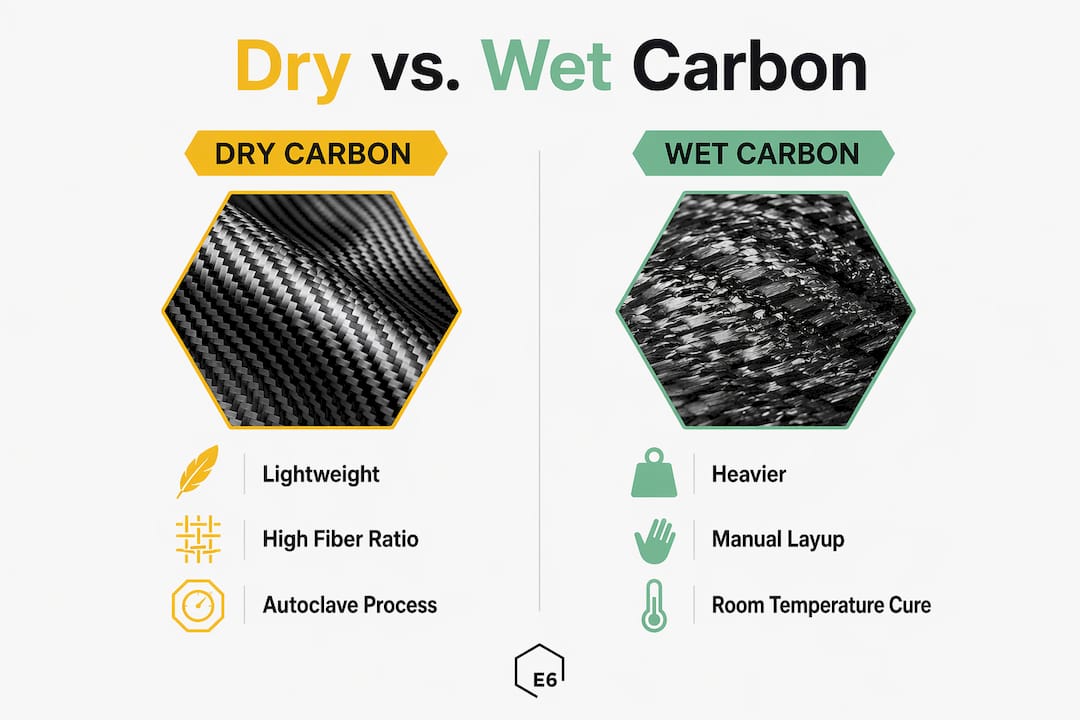
The manufacturing process is what separates dry carbon from wet carbon, and that process determines every performance and durability characteristic that follows.
Dry carbon fiber uses pre-impregnated fabric, commonly called pre-preg, where resin is already embedded in the weave at a controlled ratio. The part is then cured inside an autoclave under heat and pressure. Autoclave curing compacts the fibers, expels excess resin, and locks in consistent fiber orientation. The result is a higher fiber-to-resin ratio, superior structural integrity, and a finish that reads as optically cleaner under direct light.
Wet carbon fiber uses a manual layup process where dry fabric is saturated with liquid resin by hand, then cured at room temperature or in a low-temperature oven. The process is less expensive and works well for complex shapes, but it retains more resin mass and produces less consistent fiber density.
| Attribute | Dry carbon fiber | Wet carbon fiber |
|---|---|---|
| Weight | 20 to 40% lighter for equivalent part size | Heavier due to higher resin content |
| Fiber-to-resin ratio | High (autoclave-driven) | Lower (manual saturation) |
| Surface finish | Optically consistent, deep gloss | Variable; can show resin pooling |
| Cost | Significantly higher | More accessible price point |
| Best use case | Hoods, diffusers, structural panels | Mirror caps, trim pieces, interior accents |
| UV durability | Depends on clear coat specification | Depends on clear coat specification |
Dry carbon parts offer a significantly higher fiber-to-resin ratio and weight savings compared to wet carbon parts. That weight advantage matters most on large panels where the mass difference is measurable in kilograms, not grams.
UV degradation affects both types equally at the resin level. UV-stable clear lacquer is the correct solution for preserving surface finish and color integrity on any exposed carbon fiber part, regardless of cure method.
Pro Tip: Apply a UV-resistant ceramic clear coat over any exterior carbon fiber part on the LC500. Standard automotive lacquers yellow within 18 to 24 months under direct sun exposure, and re-coating a dry carbon hood costs more than doing it correctly the first time.
What are the performance and aesthetic benefits of LC500 carbon fiber upgrades?
The LC500’s 5.0-liter naturally aspirated V8 produces 471 horsepower from the factory. The chassis is already well-sorted. Carbon fiber upgrades do not transform the car’s fundamental character. They sharpen it.
The most meaningful performance gains come from unsprung weight reduction and large panel replacement. Replacing the factory steel hood with an autoclave-cured carbon unit removes mass from the highest point of the vehicle, lowering the center of gravity and reducing the rotational inertia the suspension must manage. Aerodynamic parts like rear diffusers and carbon wings improve stability at highway speeds by managing airflow separation at the rear of the car.
Key performance and aesthetic benefits include:
- Reduced front-end mass from a carbon hood improves turn-in response and steering feel
- Rear diffuser and wing combinations increase downforce without adding significant weight
- Aerodynamic aero kits improve downforce and reduce drag simultaneously when properly engineered
- Visual exclusivity that separates the LC500 from stock examples at shows and on the street
- Interior carbon trim adds tactile and visual refinement to the cabin without any weight penalty
Properly designed aero parts enhance stability at higher speeds by generating downforce at the rear axle. This is not a cosmetic claim. It is a measurable aerodynamic outcome when the wing geometry is correctly specified for the LC500’s body profile.
The aesthetic argument is equally legitimate. The LC500’s bodywork is already sculptural. Carbon fiber panels in 2×2 twill weave add visual texture and material contrast that painted body panels cannot replicate. For show builds and concours-level presentations, the quality of the weave pattern and resin clarity becomes as important as the weight specification.
How to choose and install the right carbon fiber parts for your LC500
Matching the carbon fiber specification to your build intent is the most important decision in this process. Track-focused builds demand dry carbon on every large panel. Street and show builds can use wet carbon on trim pieces without any meaningful compromise.
Follow this sequence when selecting LC500 carbon accessories:
- Define your primary goal. Weight reduction for performance requires dry carbon on hoods, diffusers, and wings. Aesthetic upgrades can use wet carbon on mirrors, trim, and interior pieces.
- Verify fitment against factory mounting points. E6 Carbon’s catalog is built on a Fitment First engineering standard, meaning every part is designed to align with OEM attachment hardware without modification.
- Prioritize large panels first. Real performance improvements come from replacing larger panels with dry carbon fiber, not from accumulating small trim pieces.
- Source from verified manufacturers. Generic carbon fiber parts from unverified suppliers frequently show inconsistent weave patterns, poor resin distribution, and fitment gaps that compromise both appearance and function.
- Plan for professional installation on structural components. Professional installation is recommended for larger structural carbon fiber parts to preserve factory mounting integrity and avoid stress cracking at attachment points.
Pro Tip: When evaluating a carbon fiber part’s quality before purchase, request a photo of the reverse side. High-quality dry carbon parts show consistent fiber orientation and minimal resin pooling on the back face. Wet carbon parts with heavy resin pooling on the reverse indicate poor layup technique and will be heavier than specified.
Key takeaways
The most effective Lexus LC500 carbon fiber upgrade strategy prioritizes autoclave-cured dry carbon on large structural panels and reserves wet carbon for aesthetic trim pieces where weight is not the objective.
| Point | Details |
|---|---|
| Dry vs. wet carbon matters | Dry carbon is 20 to 40% lighter per part and suits hoods, diffusers, and wings. |
| Large panels deliver real gains | Replacing the hood or diffuser reduces meaningful mass; trim pieces do not. |
| Fitment determines finish quality | Parts engineered to factory mounting points avoid gaps, stress cracks, and rework costs. |
| UV protection is non-negotiable | Apply UV-stable clear lacquer to all exterior carbon parts to prevent yellowing. |
| Aero parts improve dynamics | Properly designed wings and diffusers generate downforce and improve high-speed stability. |
The case for being selective with carbon fiber on the LC500
From our perspective at E6 Engineering, the most common mistake LC500 owners make is treating carbon fiber as a uniform category. They buy a set of mirror caps, a shift knob cover, and a badge overlay, then wonder why the car does not feel any different. It does not feel different because those parts collectively weigh less than a kilogram.
The LC500 rewards a different approach. Start with the hood. A properly cured dry carbon hood removes three to five kilograms from the highest point of the car and changes how the front end responds to direction changes. Add a rear wing with correct geometry and you have addressed both ends of the aerodynamic equation. Everything else is refinement.
We also see owners dismiss wet carbon entirely, which is equally misguided. Wet carbon on interior trim and small exterior accents is a cost-effective way to achieve the visual language of a full carbon build without the expense of autoclave-cured panels everywhere. The key is knowing which parts justify the premium and which do not.
The LC500 is one of the most visually resolved production cars of the last decade. Carbon fiber upgrades should enhance that resolution, not clutter it. Buy fewer parts, buy the right specification, and install them correctly.
— E6 Engineering
Upgrade your LC500 with precision-engineered carbon fiber
E6 Carbon’s Lexus LC500 catalog covers the full spectrum of carbon fiber upgrades, from the Z-Carbon Aero Kit to individual trim pieces, all engineered to factory mounting specifications. Every component in the lineup is produced with the same Fitment First standard that E6 Carbon applies across BMW M, Mercedes-AMG, and exotic platforms.
If weight reduction is the priority, the AeroTech Carbon Fiber Hood is the highest-impact single upgrade available for the LC500. For owners building toward a complete aero configuration, the full kit provides a cohesive solution that addresses front, side, and rear aerodynamics in one package. Browse the complete LC500 catalog at E6 Carbon to find the specification that matches your build.
FAQ
What are the best carbon fiber mods for the Lexus LC500?
The highest-impact upgrades are a dry carbon fiber hood, rear diffuser, and aerodynamic wing. These parts reduce meaningful mass and improve aerodynamic performance, unlike small trim pieces that are primarily aesthetic.
Is dry carbon fiber worth the extra cost on the LC500?
For large panels like hoods and diffusers, yes. Dry carbon parts are 20 to 40% lighter than equivalent wet carbon parts, which translates to measurable weight reduction on components that size.
Do LC500 carbon fiber parts require professional installation?
Structural parts like hoods, diffusers, and aero kits require professional installation to preserve factory mounting integrity. Trim pieces such as mirror caps and shift knob covers are typically owner-installable.
How do I protect carbon fiber parts on my LC500 from UV damage?
Apply a UV-stable clear lacquer or ceramic coating over all exterior carbon fiber surfaces. Standard lacquers degrade within 18 to 24 months under direct sunlight, causing yellowing and surface hazing.
Will carbon fiber parts void the Lexus LC500 warranty?
Aftermarket parts do not automatically void the factory warranty, but dealers can deny warranty claims on components directly affected by the modification. Consult your dealer before installing structural parts.