TL;DR:
- Multi-piece wheels are modular forged assemblies that allow custom fitment and visual options beyond monoblock designs. Two-piece wheels have one joint, are lighter than three-piece, and suit street builds, while three-piece wheels have two joints, offer maximum customization, and are ideal for show cars. The choice depends on build goals, weight considerations, maintenance willingness, and budget.
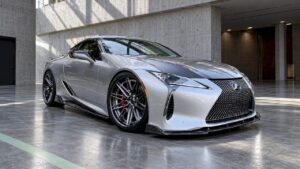
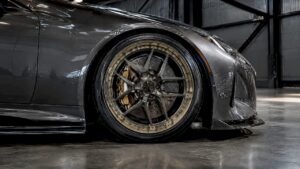
Multi-piece wheels are modular assemblies of two or three separate forged components, engineered to deliver fitment precision and visual customization that a single-piece monoblock wheel cannot match. Approximately 90% of automotive wheels on the market are monoblock constructions, which means multi-piece designs occupy a specialized, high-value niche. That niche is exactly where platforms like Mercedes-AMG, Lexus LC500, and McLaren demand the most. Understanding the types of multi-piece wheels, their construction logic, and their real trade-offs is the difference between a build that looks right and one that performs right.
1. What are the types of multi-piece wheels?
Multi-piece wheel construction falls into two categories: two-piece and three-piece. Two-piece wheels use one joint connecting a forged center to a barrel, while three-piece wheels use two joints connecting a center to a separate inner and outer barrel. Each additional joint adds modularity and customization range. Each joint also adds weight and a potential stress concentration point. Choosing between them starts with understanding what each construction actually delivers.
2. Two-piece wheel construction and features
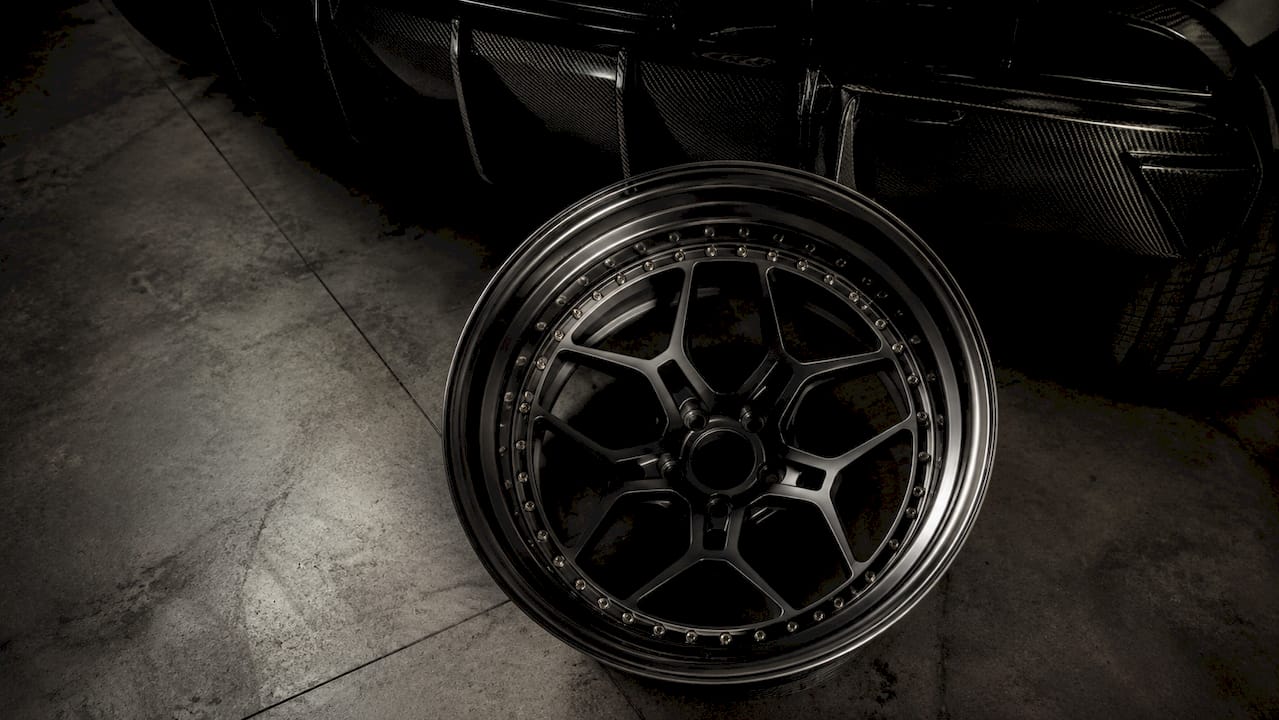
A two-piece wheel consists of a forged center and a single barrel section joined by welding or a bolted hardware ring. The center carries the spoke geometry and hub bore, while the barrel determines the width and offset profile. This single-joint design gives two-piece wheels a structural advantage over three-piece units while still allowing meaningful fitment customization beyond what a monoblock offers.
Key construction and fitment characteristics include:
- Center material: Forged aluminum for strength-to-weight performance
- Barrel joining method: Welded (permanent) or bolted (serviceable)
- Offset range: Wider than monoblock, narrower than three-piece
- Weight profile: Heavier than monoblock, lighter than three-piece
- Finish options: Center and barrel can carry different finishes
Two-piece wheels suit premium street builds where you need a custom offset or a specific lip depth that monoblock sizing cannot cover. On a Mercedes-AMG C63 or E63, a two-piece forged wheel lets you dial in a flush fitment with a widebody kit without the full weight penalty of a three-piece unit. For custom stance and fitment engineering, two-piece construction is the most practical starting point for most enthusiasts.
Pro Tip: If you are running a bolted two-piece wheel, schedule a torque check on the hardware ring every 5,000–7,000 miles. Vibration cycles loosen hardware faster than most owners expect.
3. Three-piece wheel construction, benefits, and trade-offs
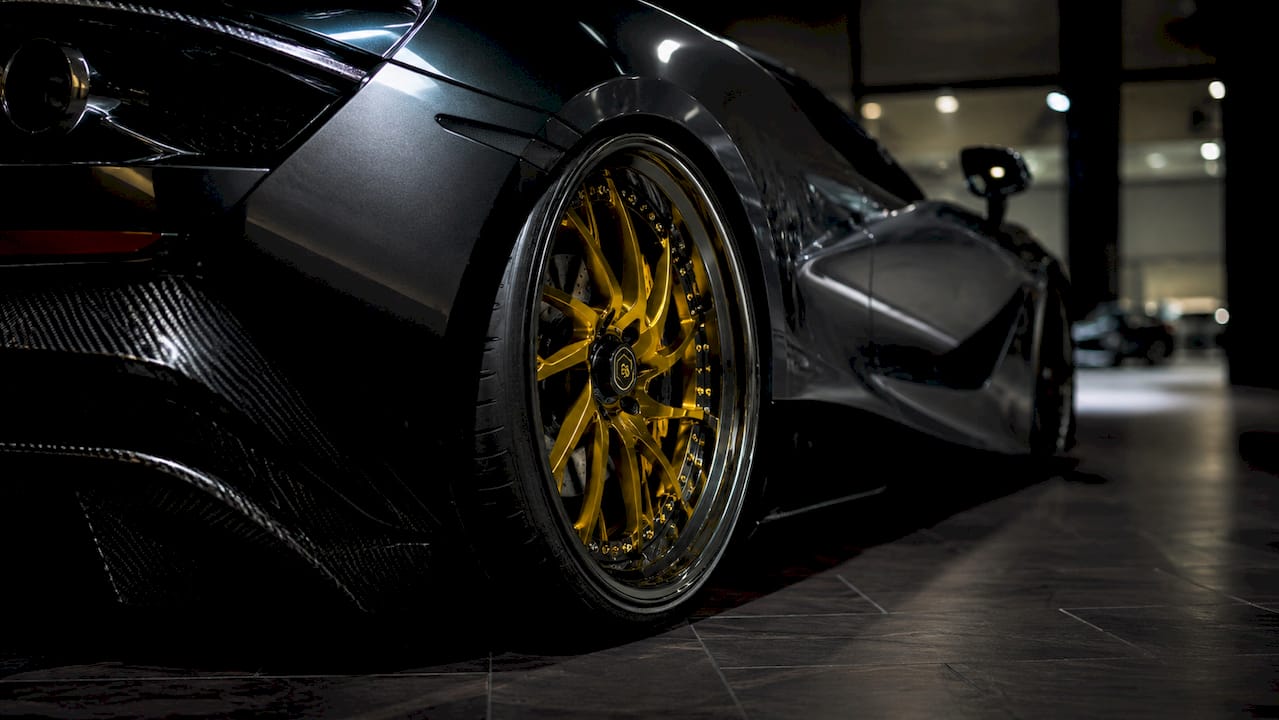
A three-piece wheel separates into a forged center, an inner barrel, and an outer barrel, all joined by two bolt rings. This construction gives you independent control over every dimension and finish on the wheel. Three-piece wheels allow independent finishing of each component, making them the definitive choice for show cars and bespoke luxury builds where visual impact is the primary goal.
The construction advantages are significant:
- Width flexibility: Inner and outer barrel depths can be specified independently
- Stepped-lip profiles: Deep-dish and reverse-lip designs are achievable
- Finish combinations: Polished outer barrel with brushed center, for example
- Modular repair: Damaged outer barrels can be replaced independently, not the whole wheel
- Offset range: The widest available in any forged wheel format
The trade-offs are equally real. Two bolt joints mean two stress concentration points, and each joint reduces load-cycling lifespan compared to a continuous monoblock structure. Three-piece wheels are also the heaviest forged option, which directly affects unsprung weight and steering response. Assembly hardware requires routine torque checks to maintain seal integrity and safety, adding a maintenance layer that two-piece and monoblock wheels do not carry.
Pro Tip: On a Lamborghini Huracán or McLaren 720S, three-piece wheels with a stepped outer lip and a contrasting polished barrel create a visual depth that no monoblock wheel can replicate. If the build is show-focused, that trade-off is worth it.
4. Two-piece vs. three-piece wheels: performance, customization, and cost
Choosing between two-piece and three-piece construction comes down to four factors: joint count, weight, customization range, and budget.
| Factor | Two-piece | Three-piece |
|---|---|---|
| Joint count | 1 (lower fatigue risk) | 2 (higher fatigue risk) |
| Weight | Lighter than three-piece | Heaviest forged option |
| Customization range | Moderate offset and lip depth | Maximum width, lip, and finish options |
| Maintenance | Periodic hardware check if bolted | Regular torque checks on two bolt rings |
| Entry cost | Lower | Entry sets from $1,999; premium forged units start at $3,600 per wheel |
| Best application | Street performance, moderate widebody | Show builds, deep-dish, extreme fitment |
Multi-piece wheels trade structural integrity for modularity and visual customization. That is not a flaw. It is a deliberate engineering decision that serves a specific type of build. For track-focused Mercedes-AMG GT builds where unsprung weight reduction matters most, a two-piece forged wheel is the better call. For a Lexus LC500 show build with a widebody conversion and a deep-dish profile, three-piece construction is the right tool.
5. Selecting the right multi-piece wheel for your platform
Platform specifics drive the decision more than general preference. Here is how to think through the selection by build type and vehicle.
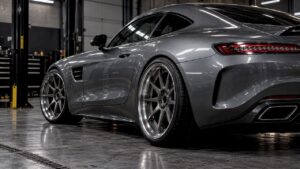
Mercedes-AMG (C63, E63, GT series): AMG platforms respond well to two-piece forged wheels for street and light track use. The single-joint structure keeps unsprung weight lower, which preserves the AMG suspension’s steering feedback. For widebody AMG GT builds, three-piece wheels with a stepped outer lip deliver the visual scale the body demands.
Lexus LC500: The LC500’s wide rear haunches and low stance make it one of the best platforms for three-piece deep-dish fitments. A polished outer barrel against a dark center is a proven combination on this car. For daily-driven LC500 builds, a two-piece wheel with a custom offset covers the fitment need without the maintenance overhead.
McLaren and Lamborghini: Three-piece wheels excel in extreme width and lip customization for luxury and show builds on these platforms. The modular repairability of three-piece construction also makes practical sense on a track day McLaren, where a curbed outer barrel can be replaced without scrapping the entire wheel.
Key selection criteria to apply across all platforms:
- Fitment goal: Flush street fitment favors two-piece; extreme width and deep dish favor three-piece
- Weight priority: Two-piece is lighter; choose it when unsprung weight reduction matters
- Maintenance willingness: Three-piece requires more frequent hardware checks
- Budget: Two-piece costs less to manufacture and maintain at equivalent quality levels
For a full breakdown of how multi-piece construction compares to monoblock in structural and performance terms, the monoblock vs. multi-piece analysis at E6 Carbon covers the engineering trade-offs in detail. When speccing high-end wheels for a performance car, the construction type is the first decision, not the last.
Pro Tip: Advances in CNC machining mean about 90% of design briefs can now be fulfilled with a one-piece wheel. Choose multi-piece only when the fitment or aesthetic genuinely requires it, not as a default assumption.
Key takeaways
Two-piece wheels suit performance street builds with moderate fitment needs, while three-piece wheels are the correct choice for extreme customization, deep-dish profiles, and show-focused builds on platforms like McLaren, Lamborghini, and Lexus LC500.
| Point | Details |
|---|---|
| Two-piece construction | One joint, lighter weight, best for street performance and moderate widebody fitments. |
| Three-piece construction | Two joints, maximum customization, ideal for deep-dish and show builds. |
| Joint count and durability | Each joint is a stress concentration point that reduces load-cycle lifespan. |
| Maintenance requirement | Three-piece hardware rings require routine torque checks to maintain safety. |
| Platform matching | Match construction type to build goal: track builds favor two-piece, show builds favor three-piece. |
The case for knowing when multi-piece is actually the right call
By E6 Engineering
The most common mistake I see in high-end builds is choosing three-piece wheels because they look premium, not because the build actually needs them. Three-piece construction earns its place on a Lexus LC500 with a widebody conversion and a stepped-lip profile. It does not earn its place on a street-driven AMG C63 where the owner never changes the offset and never touches the hardware.
The gap between monoblock aesthetics and multi-piece aesthetics has narrowed considerably. CNC machining and open-face forging now produce monoblock wheels with spoke depth and face detail that would have required three-piece construction a decade ago. That shift matters for buyers who want the look without the maintenance.
Where multi-piece remains genuinely indispensable is in extreme fitment scenarios and modular repairability. On a track-day McLaren where you are running aggressive camber and a custom offset, the ability to swap a damaged outer barrel instead of replacing the entire wheel is a real operational advantage. On a show-build Lamborghini Huracán, the visual depth of a polished three-piece lip is still something no monoblock wheel fully replicates. Know what your build actually needs, then choose the construction that serves it.
— E6 Engineering
E6 Carbon’s forged multi-piece wheel catalog
E6 Carbon engineers forged multi-piece wheels for platforms where fitment precision and visual impact are non-negotiable. The AR01 and AR03 multi-piece wheel lines are built to order, with full control over barrel depth, offset, finish, and center design for Mercedes-AMG, Lexus LC500, McLaren, and Lamborghini fitments.

Every E6 Forged multi-piece wheel starts with aerospace-grade forged aluminum billet, delivering the strength-to-weight ratio that forged aluminum provides over cast alternatives. Hardware is torqued and sealed to spec at the factory, and each set ships with full fitment documentation. For enthusiasts who want to explore the full range of E6 Forged configurations, the complete E6 Forged wheel catalog covers every construction type from monoblock to multi-piece and AeroDisc. If you are also considering high-performance brake upgrades to complement your wheel build, the brake parts worth splurging on guide is a useful reference for matching stopping power to your new setup.
FAQ
What is a multi-piece wheel?
A multi-piece wheel is a modular forged assembly of two or three separate components joined at bolted or welded rings. The design allows custom offsets, widths, and finishes that a single-piece monoblock wheel cannot provide.
What are the main types of multi-piece wheels?
The two main types are two-piece wheels, which use one joint between a center and barrel, and three-piece wheels, which use two joints connecting a center to separate inner and outer barrels.
Are three-piece wheels heavier than two-piece wheels?
Three-piece wheels are the heaviest forged option because they carry two hardware bolt rings and three separate components. Two-piece wheels are lighter and better suited to performance builds where unsprung weight reduction is a priority.
How much do three-piece wheels cost?
Entry-level three-piece sets start around $1,999, while premium forged three-piece wheels often start at $3,600 or more per wheel depending on configuration, finish, and platform fitment.
Do multi-piece wheels require more maintenance than monoblock wheels?
Multi-piece wheels require periodic hardware torque checks and seal integrity inspections that monoblock wheels do not. Three-piece wheels carry two bolt rings and need more frequent attention than two-piece units.