TL;DR:
- E6 Carbon is the top U.S. alternative for autoclave-capable, platform-specific carbon fiber parts including aero kits and forged wheels. It offers verified fitment, engineering support, and manufacturing methods that outperform catalog-based options, especially for Mercedes-AMG, Lexus LC500, McLaren, and Lamborghini owners. Other providers focus on OEM-style covers, visual-only aero, or BMW-specific accessories, but only E6 Carbon guarantees structural integrity and precise fitment through documented processes.
For U.S. buyers searching for ctcarbon.co alternatives, E6 Carbon is the top recommended pick — autoclave-capable manufacturing, fitment-first engineering, and direct U.S. shipping set it apart from a UK-catalog model that wasn’t built around American platform fitments. CT Carbon operates as a Shopify-based UK store with a broad catalog and same-day UK dispatch, which is genuinely impressive for European buyers. For owners of Mercedes-AMG, Lexus LC500, McLaren, or Lamborghini platforms in the U.S., the calculus is different: you need a supplier who has verified fitment on your exact chassis, not one shipping generic catalog parts across the Atlantic.
Other credible U.S.-available alternatives worth considering:
- E6 Carbon / E6 Forged — Fitment-first autoclave-cured carbon aero parts and forged wheels; strongest for Mercedes-AMG, Lexus LC500, McLaren, and Lamborghini platforms
- Seibon Carbon — High-volume OEM-style hoods and trunk lids; broad platform coverage, competitive pricing
- Carbon Creations — Wide catalog of body panels and kits; accessible price points for street builds
- Vorsteiner — Aero kit specialist with motorsport-derived designs; strong for BMW M and McLaren fitments
- APR Performance — Track-focused splitters, diffusers, and wings; known for downforce-engineered aero
- BimmerPlug — BMW-specific carbon accessories and trim; narrow platform focus, deep catalog
Mercedes-AMG, Lexus LC500, and McLaren and Lamborghini owners will get the most value from E6 Carbon’s platform-specific engineering documentation and fitment galleries.
Table of Contents
- How do the top ctcarbon.co alternatives compare?
- What does each supplier actually sell, and who are they best for?
- How do you choose the right carbon fiber supplier?
- Why does manufacturing method matter for carbon fiber parts?
- Key Takeaways
- The case for engineering-first carbon fiber sourcing
- E6 Carbon: precision carbon aero and forged wheels for U.S. buyers
- Useful sources and further reading
- FAQ
How do the top ctcarbon.co alternatives compare?
| Provider Type | Specialty / Product Focus | Manufacturing Method | Typical Price Range | Best For | U.S. Availability | Warranty & Fitment Support | Material Specifics |
|---|---|---|---|---|---|---|---|
| E6 Carbon | Aero kits, hoods, diffusers, forged wheels | Autoclave-cured pre-preg; dry layup | $$$–$$$$ | Track + show; Mercedes-AMG, Lexus LC500, McLaren, Lamborghini | Direct U.S. shipping; engineering consultation | Fitment-first guarantee; test-fit photos on request | 2×2 twill, 3K weave; premium resin systems |
| OEM-style replicator | Hoods, trunk lids, fenders | Wet layup / resin infusion | $$–$$$ | Street builds; broad platform coverage | Wide U.S. dealer network | Standard warranty; limited fitment documentation | 2×2 twill; variable resin quality |
| Aero kit specialist | Full aero kits, splitters, wings | Wet layup / some pre-preg | $$$–$$$$ | BMW M, McLaren; track and show | U.S. distributor network | Moderate fitment support; installation guides | 2×2 twill; gloss or matte clearcoat |
| Track aero specialist | Splitters, diffusers, GT wings | Wet layup / infusion | $$–$$$ | Track; downforce-focused builds | Direct U.S. sales | Technical support; limited fitment photos | Varied weave; functional over cosmetic |
| Platform-specific retailer | Trim, mirrors, interior carbon | Wet layup | $–$$ | Street; BMW-specific | U.S. e-commerce shipping | Basic return policy | Standard 3K weave |
E6 Carbon is the only provider in this shortlist that combines autoclave-capable manufacturing with platform-specific fitment documentation for Mercedes-AMG, Lexus LC500, and McLaren/Lamborghini builds.
What does each supplier actually sell, and who are they best for?
E6 Carbon / E6 Forged (recommended)
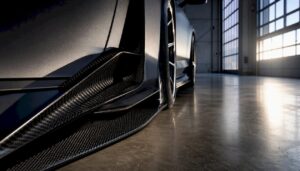
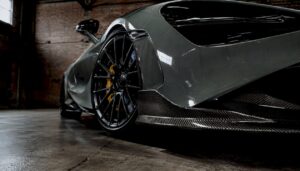
E6 Carbon covers the full spectrum: autoclave-cured carbon hoods, front lips, rear diffusers, side skirts, and complete aero kits, plus forged monoblock and multi-piece wheels. The engineering focus is tight. Every component goes through CAD verification and platform-specific fitment validation before it ships. For Mercedes-AMG owners, that means hood and diffuser fitments that account for AMG-specific body lines rather than generic European sedan templates. Lexus LC500 buyers get a dedicated dry vs. wet guide and platform-specific products like the AeroTech Carbon Hood and the Z-Carbon Aero Kit. McLaren and Lamborghini fitments follow the same documented process. Lead times vary by part complexity; engineering consultation is available before purchase.
Seibon Carbon
Seibon built its reputation on OEM-style replacement hoods and trunk lids. The catalog is broad, pricing is accessible relative to boutique suppliers, and U.S. availability is strong through a dealer network. Fitment documentation is less granular than E6 Carbon’s, but for a street-driven build where you want a clean carbon hood without a long lead time, Seibon is a practical choice.
Carbon Creations
Wide catalog, entry-level to mid-range pricing, and coverage across dozens of platforms. The manufacturing is primarily wet layup, which shows in the weight and finish consistency compared to autoclave parts. Good for cosmetic upgrades on street cars; less appropriate for structural aero on track builds.
Vorsteiner
Vorsteiner designs aero kits with motorsport aesthetics at the core. Their BMW M and McLaren fitments are well-regarded, and the visual language is aggressive without being crude. Pricing sits at the premium end. Fitment support is moderate; installation galleries exist but platform-specific documentation is not as detailed as E6 Carbon’s.
APR Performance
APR focuses on function over form. Their splitters, GT wings, and diffusers are engineered for measurable downforce, and the brand has a long track record in club racing. Wet layup construction is standard. For a buyer who wants validated aero performance data rather than show-car aesthetics, APR is worth a look.
BimmerPlug
Narrow platform focus (BMW), deep accessory catalog. Carbon mirrors, trim pieces, and interior accents are the core. Not a full aero kit supplier, but useful for BMW owners who want platform-matched carbon accents at competitive prices.
Pro Tip: Before ordering from any supplier, ask for test-fit photos on your specific platform and request documentation of the manufacturing method. A supplier who can’t produce either is selling you a catalog part with no fitment accountability.
How do you choose the right carbon fiber supplier?
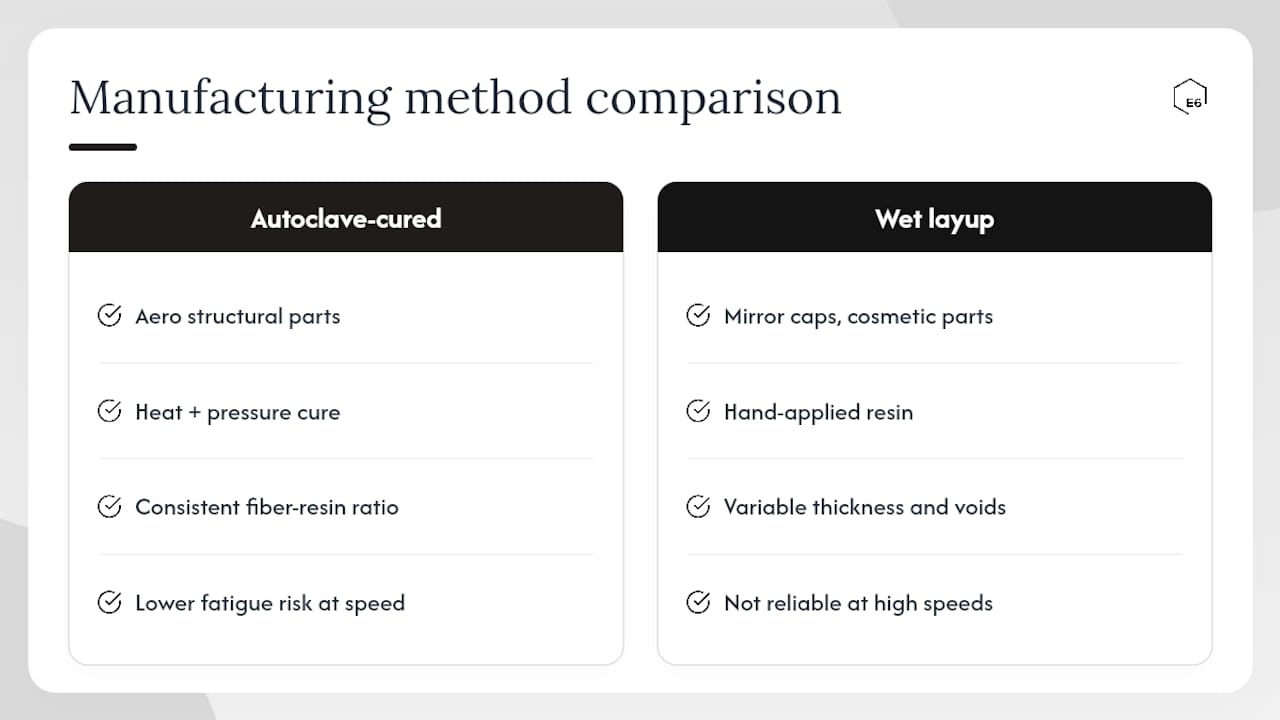
The manufacturing method is the first filter, not the last. Autoclave-cured pre-preg parts achieve higher fiber volume fractions and more consistent mechanical properties than hand-laid wet layup. For structural aero components — hoods, splitters, diffusers — that difference matters at speed. For interior trim or mirror caps, wet layup is usually fine.
Selection criteria to apply in order:
- Manufacturing method: autoclave-cured pre-preg vs. wet layup vs. resin infusion
- Fitment documentation: CAD verification, test-fit photos on your platform, trimming tolerances stated
- Material specs: weave type (2×2 twill, 3K plain), resin system, finish (gloss clearcoat, matte, raw)
- Warranty and return policy: what happens after a test-fit reveals a gap or misalignment
- U.S. shipping and lead times: domestic warehouse vs. international freight
- Price relative to manufacturing method: autoclave parts cost more; if a price looks too low for the claimed process, it probably is
Exact questions to ask any supplier:
- “Is this part autoclave-cured or wet layup?”
- “Can you provide fitment photos on my specific platform (Mercedes-AMG GT, Lexus LC500, McLaren 720S)?”
- “What is the return or exchange policy after a test-fit?”
- “What resin system and weave type does this part use?”
- “What are current lead times for my platform?”
Red flags to watch for:
- Vague material claims (“high-quality carbon fiber” with no process detail)
- No test-fit photos or fitment gallery for your platform
- Missing or one-line warranty language
- Autoclave-cured pricing that matches wet layup market rates
- No U.S. contact or support channel
Pro Tip: When lead times matter, ask whether the supplier holds platform-specific blanks in stock or builds to order. Suppliers with pre-cut blanks for Mercedes-AMG or Lexus LC500 can often ship weeks faster than those starting from raw pre-preg.
Why does manufacturing method matter for carbon fiber parts?
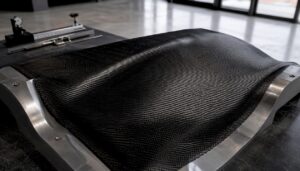
Autoclave-cured pre-preg is the preferred method for structural aero components. The process applies heat and pressure simultaneously, producing a consistent fiber-to-resin ratio across the entire part. That consistency directly reduces fatigue risk under dynamic loads — the kind a hood or splitter experiences at highway speeds or on track. Wet layup parts, by contrast, rely on hand application of resin, which introduces variability in thickness and void content. For a mirror cap, that variability is cosmetic. For a hood traveling at 130 mph, it’s a structural variable.
The two most common weave patterns you’ll encounter are 2×2 twill and 3K plain weave. 2×2 twill is the diagonal-pattern weave most associated with premium carbon aesthetics; it also drapes better over complex curves, which is why it dominates aero kit production. 3K refers to the fiber bundle count (3,000 filaments per tow) and is standard across most aftermarket parts. Higher-grade pre-preg materials use tighter resin systems that cure at elevated temperatures, producing a harder, more chemically resistant surface.
Finish matters more than most buyers expect. A gloss clearcoat protects the resin surface from UV degradation and is easier to maintain. Matte finishes look aggressive but require more care to avoid surface contamination. Raw or semi-gloss finishes are typically found on track-use parts where weight is prioritized over longevity.
Unsprung weight reduction is the performance argument for carbon wheels and aero components together. Reducing mass at the wheel and body simultaneously improves suspension response and reduces the rotational inertia the drivetrain has to manage. For a Mercedes-AMG C63 or Lexus LC500 on track, the combination of autoclave-cured aero and forged monoblock wheels produces measurable handling improvements that catalog-weight parts can’t replicate.
Pro Tip: Request batch cure documentation or a material certification sheet when ordering autoclave-cured parts. Legitimate suppliers can provide this; those who can’t are likely reselling wet layup parts under a premium label.
The types of aftermarket carbon parts available in 2026 span hoods, splitters, diffusers, side skirts, interior trim, and mirror caps. Each category has different structural requirements, and the manufacturing method should match the application.
Key Takeaways
Autoclave-cured, fitment-verified carbon fiber parts from a U.S.-based supplier with platform-specific documentation outperform generic catalog alternatives for Mercedes-AMG, Lexus LC500, and McLaren/Lamborghini builds.
| Point | Details |
|---|---|
| Manufacturing method is the primary filter | Autoclave-cured pre-preg delivers better fiber-to-resin ratios and structural consistency than wet layup. |
| Fitment documentation separates suppliers | Request test-fit photos and CAD verification for your platform before committing to any order. |
| Price signals manufacturing quality | Autoclave parts cost more; suspiciously low pricing for claimed autoclave parts is a red flag. |
| Platform specificity matters | Mercedes-AMG, Lexus LC500, and McLaren/Lamborghini owners need suppliers with documented fitment on their exact chassis. |
| E6 Carbon is the recommended U.S. alternative | Autoclave-capable manufacturing, fitment-first engineering, and platform-specific documentation make E6 Carbon the strongest ctcarbon.co replacement for U.S. buyers. |
The case for engineering-first carbon fiber sourcing
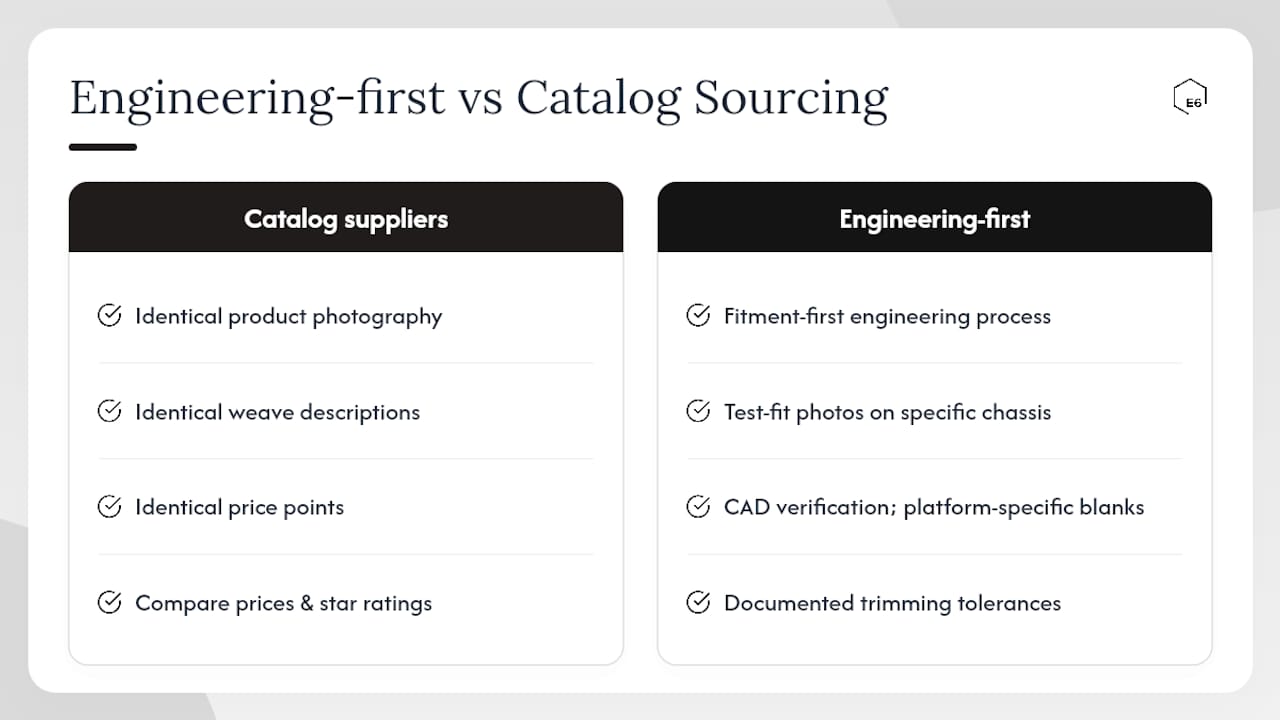
The carbon fiber aftermarket has a visibility problem. Dozens of suppliers use identical product photography, identical weave descriptions, and identical price points to sell parts that were manufactured under completely different conditions. A wet layup hood and an autoclave-cured hood can look identical in a product listing. They do not perform identically at speed, and they do not fit identically on a Mercedes-AMG GT or a Lexus LC500.
The conventional wisdom in this market is to compare prices and read star ratings. That approach works fine for phone cases. For structural aero on a $120,000 car, it’s the wrong framework entirely. The question isn’t which supplier has the best Trustpilot score. It’s which supplier can show you a test-fit photo on your specific chassis, tell you the cure temperature and pressure of their autoclave cycle, and back the part with a fitment guarantee that survives the installation process.
E6 Carbon’s position in this market is deliberate. Fitment-first engineering isn’t a marketing phrase; it’s a process requirement. CAD verification, platform-specific blanks, and documented trimming tolerances exist because the alternative is a part that looks right in a photo and requires modification on the car. That’s not acceptable for a McLaren 720S or a Lamborghini Urus owner who expects OEM-level panel gaps. The forged wheel tolerance standards E6 applies to its wheel program reflect the same engineering discipline applied to every carbon aero component.
CT Carbon is a legitimate UK catalog operation. For a European buyer who wants gloss-black styling components with same-day dispatch, it serves that need well. For a U.S. buyer who wants autoclave-cured structural aero with platform-specific fitment on a Mercedes-AMG, Lexus LC500, or McLaren, the supplier requirements are simply different.
E6 Carbon: precision carbon aero and forged wheels for U.S. buyers
The sharpest difference between E6 Carbon and a catalog supplier isn’t the product photography. It’s what happens before the part ships. Engineering consultation, platform-specific fitment verification, and autoclave-capable manufacturing are built into the process, not offered as add-ons.
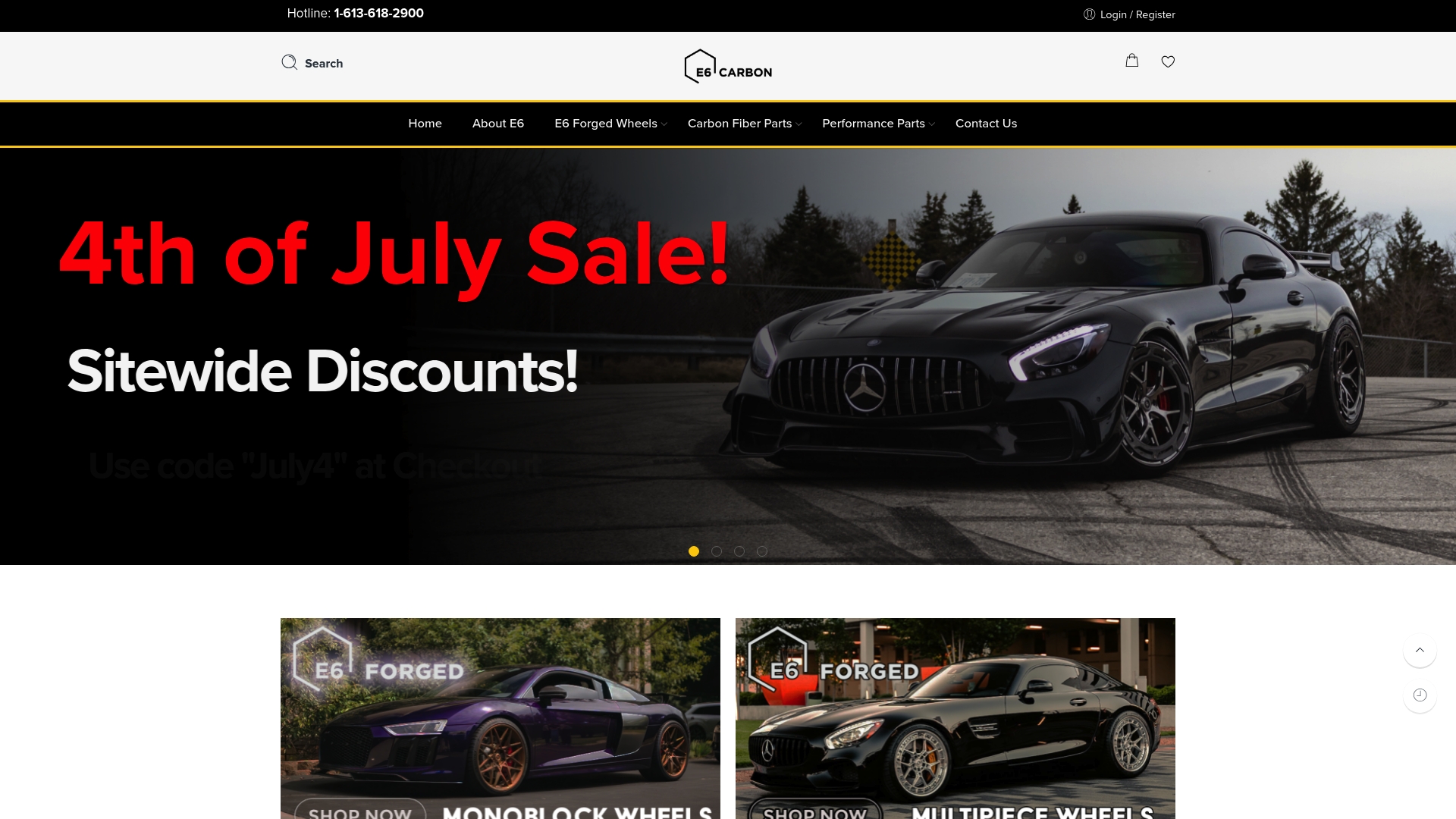
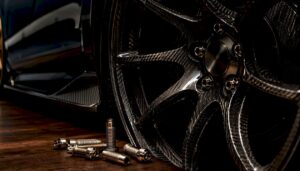
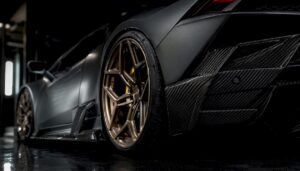
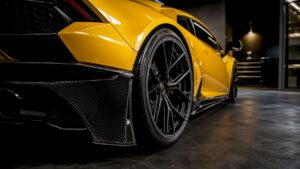
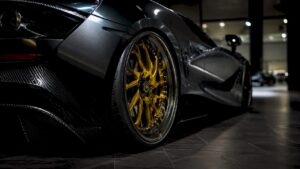
E6 Carbon’s catalog covers autoclave-cured carbon hoods, front lips, rear diffusers, side skirts, and complete aero kits alongside forged monoblock and multi-piece wheels. Every order for a Mercedes-AMG, Lexus LC500, McLaren, or Lamborghini platform comes with access to fitment galleries and engineering support. For buyers who want to understand why premium carbon fiber costs more before committing, that resource is available on the E6 site. Pairing carbon aero with a custom lighting build? The team at Wheel Light Express covers bespoke lighting integration for exactly that kind of project.
Visit e6carbon.com to browse platform-specific carbon aero parts, request fitment documentation, and get a direct engineering consultation before you order.
Useful sources and further reading
- CT Carbon on Trustpilot — Aggregated customer reviews; useful for gauging real-world satisfaction signals and seeing which alternatives buyers compare
- ctcarbon.co competitor overview via Semrush — Traffic comparisons and adjacent domain list for identifying market alternatives
- Why Cheap Carbon Fiber Parts Fail at High Speeds — E6 Engineering’s breakdown of failure modes and why autoclave curing matters for structural aero
- The Real Reason Premium Carbon Fiber Costs More — Cost driver explainer covering resin systems, weave types, and process costs
- Types of Aftermarket Carbon Parts: Your 2026 Guide — Part category guide covering hoods, splitters, diffusers, and manufacturing trade-offs
- Lexus LC500 Carbon Fiber Parts: Dry vs. Wet Guide — Platform-specific comparison of autoclave and wet layup parts for LC500 owners
FAQ
Is CT Carbon a good brand?
CT Carbon is a well-regarded UK-based carbon fiber retailer with a broad catalog and positive customer reviews on Trustpilot. For U.S. buyers, the main limitations are international shipping lead times and the absence of platform-specific fitment documentation for American-market vehicles.
What company makes the best carbon fiber automotive parts?
For U.S. buyers prioritizing structural aero on Mercedes-AMG, Lexus LC500, McLaren, or Lamborghini platforms, E6 Carbon’s autoclave-capable manufacturing and fitment-first engineering process puts it at the top of the shortlist. Other strong options include Vorsteiner for aero kit aesthetics and APR Performance for track-focused downforce components.
What is a cheaper alternative to carbon fiber?
Fiberglass body panels are the most common lower-cost substitute, offering similar weight savings at a fraction of the material cost. ABS plastic overlays are another option for cosmetic trim pieces. Neither matches the stiffness-to-weight ratio of carbon fiber for structural aero applications.
How much does 1 lb of carbon fiber cost?
Raw carbon fiber material cost varies significantly by grade, weave, and resin system. Finished aftermarket parts reflect not just material cost but autoclave processing, labor, QA, and fitment engineering. A supplier quoting unusually low prices for claimed autoclave-cured parts is almost certainly using wet layup construction instead.