TL;DR:
- Titanium exhausts save weight and produce a sharper, more metallic sound compared to stainless steel.
- Stainless steel offers proven durability, easier fabrication, and better impact resistance for street use, while costing less.
The Lexus LC500 exhaust system is built from either titanium or stainless steel, and each material delivers distinct advantages in weight, sound, and durability that directly shape your driving experience. This Lexus LC500 exhaust material guide covers the titanium vs stainless steel decision from every angle: fabrication standards, acoustic character, corrosion resistance, and real-world cost. Titanium is 40–50% lighter than stainless steel and produces a sharper, more exotic tone. Stainless steel grades like 304 and 321 offer proven street durability at a lower price point. Knowing which material fits your build separates a good upgrade from the right one.
How does titanium compare to stainless steel in weight for Lexus LC500 performance?
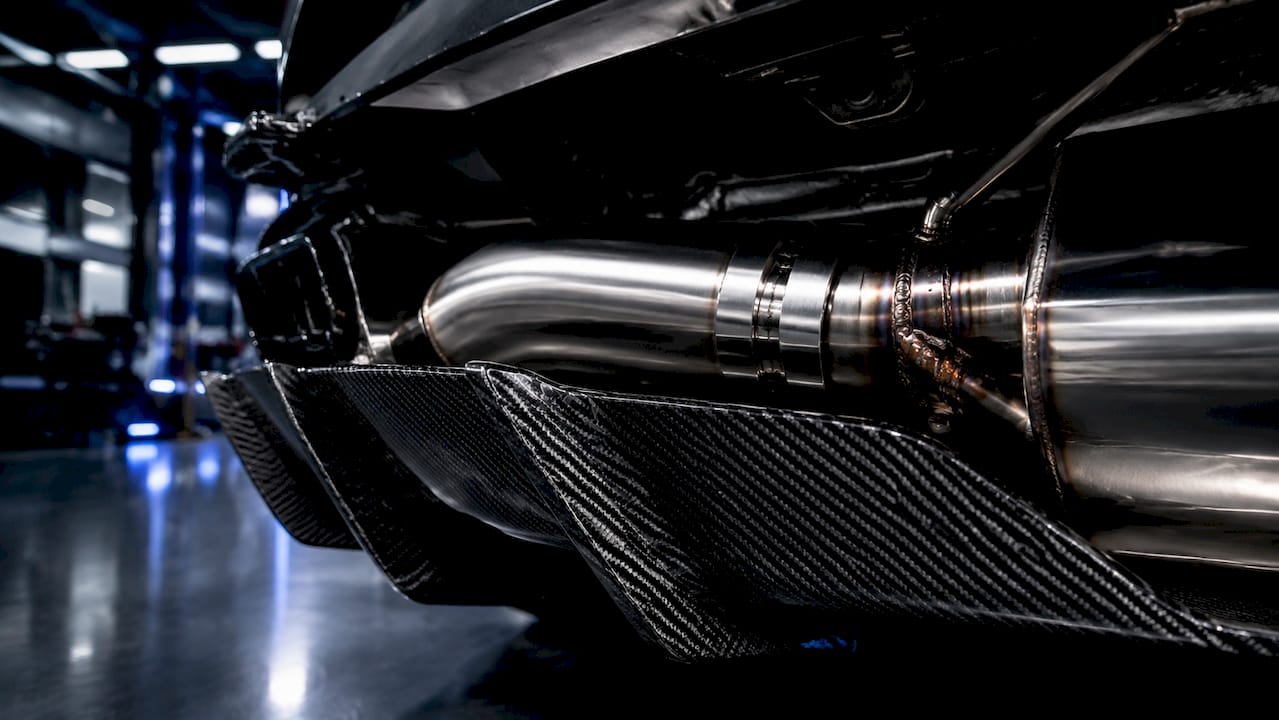
Titanium is the clear winner on weight. A titanium cat-back system saves 5–8kg over a comparable stainless steel unit, and a full turbo-back system can shed 10–15kg from the car. On a grand tourer like the LC500, that reduction changes how the car feels at the limit.
Weight savings in the exhaust system affect more than the scale reading. Removing mass from the rear of the car improves weight distribution and reduces rotational inertia in the drivetrain. Throttle response sharpens because the engine is no longer pushing spent gases through a heavier tube. You feel it most in mid-corner acceleration and during quick direction changes.
Titanium’s weight advantage comes with fabrication complexity. The material requires skilled TIG welding in a controlled argon environment, which adds cost and limits which shops can build it correctly. A poorly fabricated titanium system weighs the same as a good one but fails faster.
- Cat-back titanium system: saves 5–8kg vs stainless steel
- Turbo-back titanium system: saves up to 10–15kg vs stainless steel
- Primary benefit: improved weight distribution and sharper throttle response
- Key constraint: requires expert TIG welding; not all fabricators qualify
Pro Tip: Pair a titanium exhaust with titanium wheel hardware to compound unsprung weight reduction across multiple systems simultaneously.
What are the sound differences between titanium and stainless steel LC500 exhausts?
Titanium and stainless steel produce fundamentally different exhaust notes, even when the pipe diameter and muffler design are identical. The difference comes from material density and resonant frequency. Titanium vibrates at a higher frequency, which translates directly into a sharper, more metallic tone.
A titanium exhaust delivers a distinctive rasp and crackle on overrun that stainless steel cannot replicate. That metallic bite is what enthusiasts describe as the “exotic” sound character. It is most noticeable at high RPM and during lift-off deceleration on a track or canyon road.
Stainless steel takes a different acoustic path. A stainless steel system produces a deeper, smoother, more resonant tone that stays consistent across the RPM range. Many drivers prefer this for daily use because it sounds purposeful without becoming fatiguing on long highway runs.
- Low RPM city driving: Stainless steel sounds deeper and more refined; titanium can feel slightly harsh
- Mid-range acceleration: Both materials deliver satisfying volume; titanium adds metallic texture
- High-RPM track use: Titanium’s rasp and crackle become most pronounced and most rewarding
- Overrun deceleration: Titanium produces sharp pops and crackle; stainless steel stays smooth and controlled
Sound preference is personal, but the material choice is permanent. Decide which acoustic profile matches your primary use case before committing to either system.
How do titanium and stainless steel compare in corrosion resistance and durability?
Titanium is chemically inert and resists corrosion in virtually every environment a street car encounters. Salt, moisture, and exhaust condensation do not degrade it. That property makes titanium attractive for cars driven in harsh climates or stored outdoors.
The practical reality for most LC500 owners is more nuanced. High-quality 304 or 321 stainless steel exhausts deliver reliable, corrosion-resistant performance for the full lifespan of a street-driven car. Millions of stainless aftermarket systems have proven this over decades of use. The corrosion gap between titanium and premium stainless steel is real but rarely decisive for a car that sees normal road conditions.
Where titanium loses ground is physical toughness. Titanium becomes brittle at low temperatures and is more susceptible to cracking from road debris impact or improper installation. Stainless steel flexes under impact rather than fracturing. For a car that sees speed bumps, gravel roads, or winter temperatures, stainless steel’s toughness is a genuine advantage.
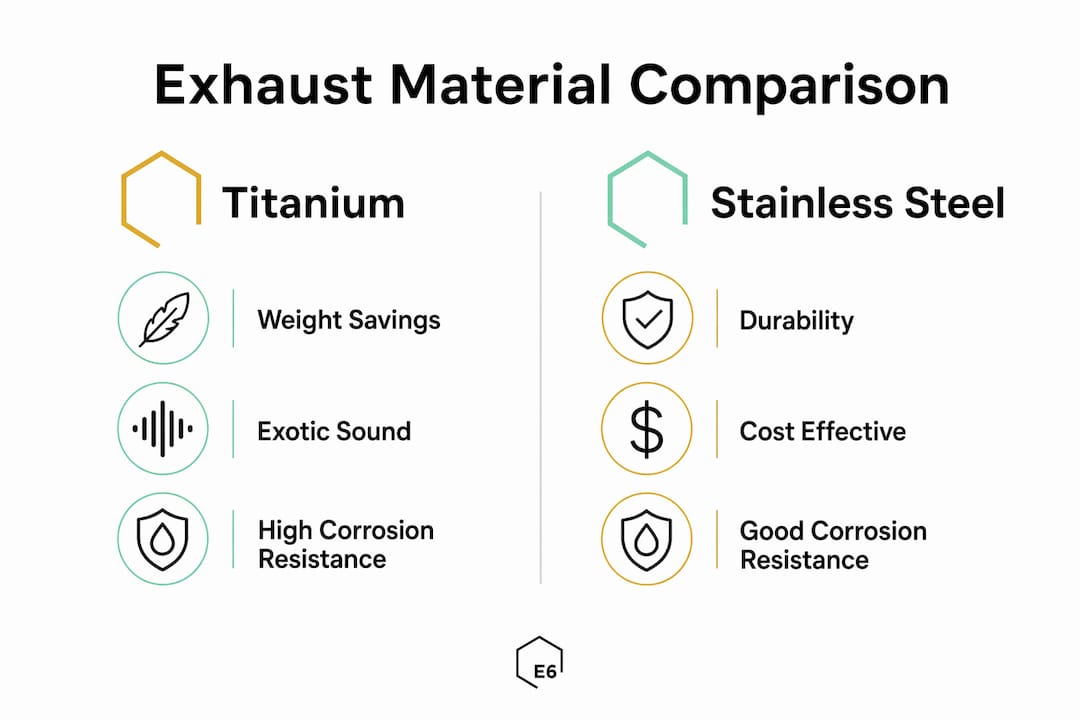
| Property | Titanium | Stainless steel (304/321) |
|---|---|---|
| Corrosion resistance | Exceptional | Very good |
| Weight | 40–50% lighter | Heavier baseline |
| Impact toughness | Lower, brittle at cold temps | Higher, more forgiving |
| Weld complexity | Argon back-purge TIG required | Standard TIG welding |
| Repairability | Specialist only | Most exhaust shops |
Pro Tip: If you drive the LC500 in winter or on rough roads, stainless steel durability outweighs titanium’s corrosion advantage. Save titanium for a dedicated warm-weather or track build.
What are the cost considerations when choosing titanium or stainless steel for the LC500?
Titanium exhaust systems cost 30–50% more than equivalent stainless steel units. That premium reflects raw material cost and the specialized fabrication required. A quality stainless steel cat-back for the LC500 represents a meaningful investment. A titanium equivalent pushes that figure significantly higher.
The price gap is justified in specific contexts. Enthusiasts building a focused track car or a weight-reduction build benefit most from titanium. The weight and sound benefits compound when combined with other lightweight Lexus LC500 aftermarket parts like carbon fiber body panels, forged wheels, and aero components. At that stage of a build, every kilogram removed has measurable value.
For most street-driven LC500s, stainless steel is the sensible starting point. It delivers strong sound improvement, proven longevity, and easier repair access at a lower cost. A safe stage 1 tuning workflow pairs naturally with a stainless exhaust upgrade as a first performance step before committing to more expensive modifications.
- Titanium is the right choice when: the build is track-focused, weight reduction is a primary goal, and fabrication quality can be verified
- Stainless steel is the right choice when: the car is street-driven daily, budget efficiency matters, and long-term repairability is a priority
- Upgrade sequence: most enthusiasts fit stainless steel first, then move to titanium after completing supporting modifications
- Integration tip: pair either exhaust with LC500 aero upgrades to maximize the performance and visual impact of the build
Key takeaways
Titanium delivers the best weight savings and the most exotic sound character, but stainless steel 304/321 remains the most practical and cost-effective exhaust material for the majority of street-driven Lexus LC500 builds.
| Point | Details |
|---|---|
| Weight savings | Titanium saves 5–15kg depending on system scope, improving throttle response and weight balance. |
| Sound character | Titanium produces a sharper, metallic rasp; stainless steel delivers a deeper, smoother tone. |
| Durability trade-off | Stainless steel 304/321 handles impact and cold temperatures better than titanium. |
| Cost premium | Titanium systems cost 30–50% more due to raw material and specialized TIG welding requirements. |
| Best application | Titanium suits focused builds; stainless steel suits street-driven and budget-conscious upgrades. |
The real reason most enthusiasts get the titanium decision wrong
The most common mistake I see is buying titanium for corrosion resistance. That reasoning sounds logical, but it misses the point. Premium 304 or 321 stainless steel resists corrosion well enough for any street car. Titanium’s real appeal is sound character and weight savings, and those benefits only matter if the rest of the build supports them.
A titanium exhaust on an otherwise stock LC500 is an expensive way to change the exhaust note. The weight savings are real, but 8kg means very little when the car still runs stock suspension, stock wheels, and stock aero. The upgrade makes far more sense once you have already addressed unsprung weight through forged wheels and reduced body mass through carbon fiber panels.
The fabrication quality question is also underestimated. Titanium TIG welding requires argon back-purge and a fabricator who works with the material regularly. A contaminated weld on a titanium system will crack. I have seen expensive systems fail within a year because the buyer prioritized brand name over fabrication process. Always ask the supplier about their welding procedure before purchasing.
My recommendation: start with a quality stainless steel system, build the rest of the car around it, and move to titanium when the build justifies the investment. Sound preference alone is a valid reason to choose titanium, but go in with clear expectations about what you are actually buying.
— E6 Engineering
Complete your LC500 build with E6 Carbon lightweight upgrades
A titanium or stainless steel exhaust upgrade is one part of a broader weight reduction strategy for the LC500. The gains compound when the exhaust works alongside autoclave-cured carbon fiber body components that shed mass from the hood, diffuser, and aero surfaces.

E6 Carbon engineers autoclave-cured 2×2 twill carbon fiber components specifically for the Lexus LC500 platform, including the AeroTech Carbon Fiber Hood and the full Z-Carbon Aero Kit. Each component is built to the same fitment-first standard that track and show builds demand. Explore the full range of LC500 carbon fiber parts to see how dry and wet carbon options pair with your exhaust upgrade and overall build direction.
FAQ
Is titanium exhaust worth it for a street-driven LC500?
Titanium’s main advantages are weight savings and exotic sound character, not corrosion resistance. For a daily-driven LC500, stainless steel 304/321 delivers comparable durability at a significantly lower cost.
How much weight does a titanium exhaust save on the Lexus LC500?
A titanium cat-back system saves 5–8kg over stainless steel, while a full turbo-back titanium system can save up to 10–15kg. That reduction improves throttle response and rear weight distribution.
What stainless steel grade is best for an LC500 exhaust?
Grade 304 and grade 321 stainless steel are both proven choices for aftermarket exhaust systems. Grade 321 handles higher sustained temperatures better, making it the preferred option for systems closer to the turbo or headers.
Why does titanium exhaust sound different from stainless steel?
Titanium vibrates at a higher resonant frequency than stainless steel, producing a sharper, more metallic tone with rasp and crackle on overrun. Stainless steel produces a deeper, smoother sound that stays consistent across the RPM range.
Can any exhaust shop weld a titanium system?
No. Titanium TIG welding requires an argon back-purge environment to prevent weld contamination. Shops without this capability produce welds that are prone to cracking. Always verify fabrication process and experience before purchasing a titanium exhaust system.