TL;DR:
- Premium carbon fiber is expensive because it uses high-grade materials, manual processes, and durable UV coatings. Cheap parts often degrade quickly, yellowing and losing gloss due to inferior resin systems, UV exposure, and lower-quality finishing. The true value of premium parts lies in their long-lasting structural integrity and aesthetic quality over the vehicle’s lifespan.
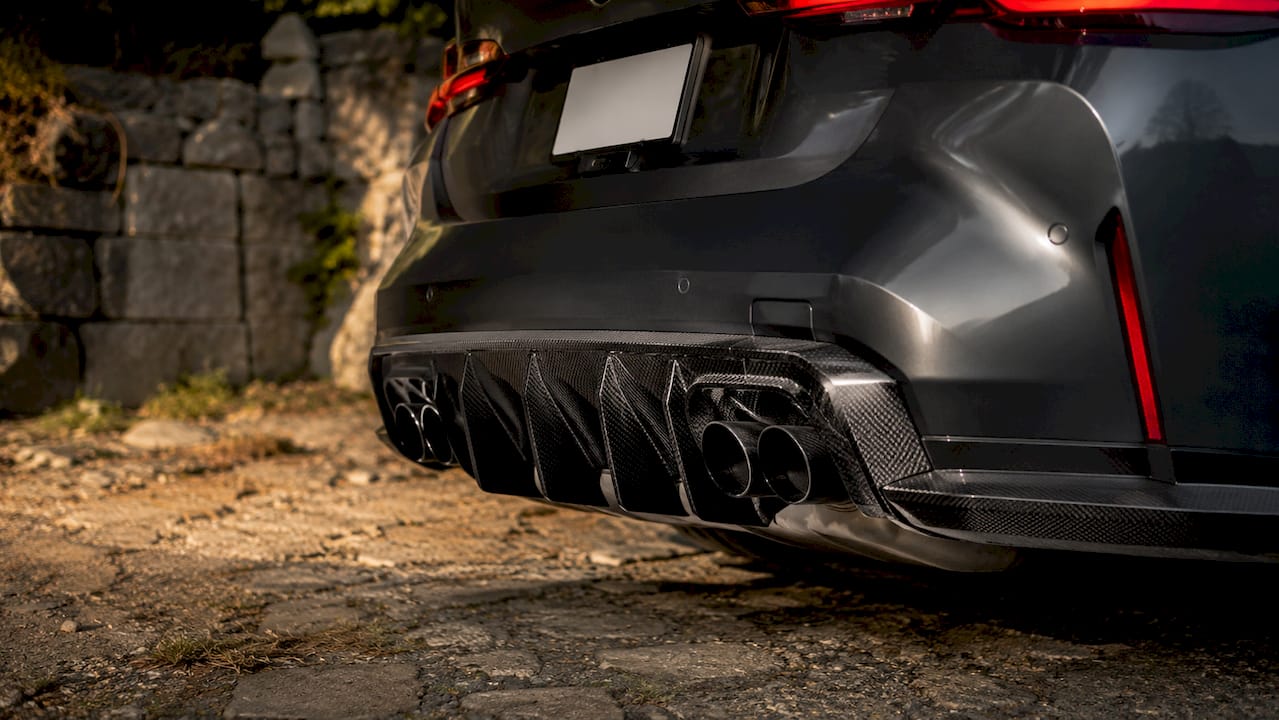
Premium carbon fiber is defined by its raw material purity, manufacturing method, and finishing quality. These three factors explain the carbon fiber pricing explanation that most buyers never get from a product listing. Aerospace-grade autoclave-cured parts exceed $320 per square meter, while standard sheets start around $85. That gap is not markup. It reflects high-purity PAN precursor fiber, labor-intensive manual layup, and marine-grade UV clear coats that protect the 2×2 twill weave for the life of the vehicle. E6 Carbon builds to that standard because owners of Mercedes-AMG GT, Lexus LC500, and C8 Corvette platforms demand parts that perform and look flawless years after installation.
What are the raw material cost drivers for premium carbon fiber?
The single largest cost factor in carbon fiber production is the precursor. High-purity PAN precursor accounts for over 50% of total production cost, and the conversion process destroys roughly half the input material. That 50% yield loss means manufacturers pay for twice the raw fiber to produce a finished part.
The carbonization step compounds the cost further. Heating fibers above 1,500°C is energy-intensive carbonization that accounts for 18%–37% of raw fiber production cost. Every kilogram of finished fiber carries the energy bill of a small industrial furnace.
Fiber grade separates budget parts from performance parts. The three main grades are:
- Standard modulus fiber: Lowest cost, adequate for decorative or low-stress applications
- Intermediate modulus fiber: The performance sweet spot for most automotive body components
- High modulus fiber: Roughly 3x the cost per kilogram, but better performance per dollar due to superior stiffness and weight savings
Pro Tip: Evaluate carbon fiber cost on a strength-to-weight basis, not price per kilogram. A high modulus hood that saves 12 lbs and holds its shape for a decade costs less per year of use than a cheap panel that warps in two seasons.
Cheap parts use standard modulus fiber in wet layup processes with commodity resin. The fiber grade alone tells you everything about what a manufacturer expects from their product’s lifespan.
How does the manufacturing process drive the price of premium parts?
Manual layup is the labor reality that no automated process has replaced for complex automotive geometry. Every carbon fiber layer must be hand-laid to align fibers along specific load paths. Misalignment creates structural weak points invisible to the naked eye. This is not a task that tolerates shortcuts.
The manufacturing cost breakdown reveals where the money actually goes:
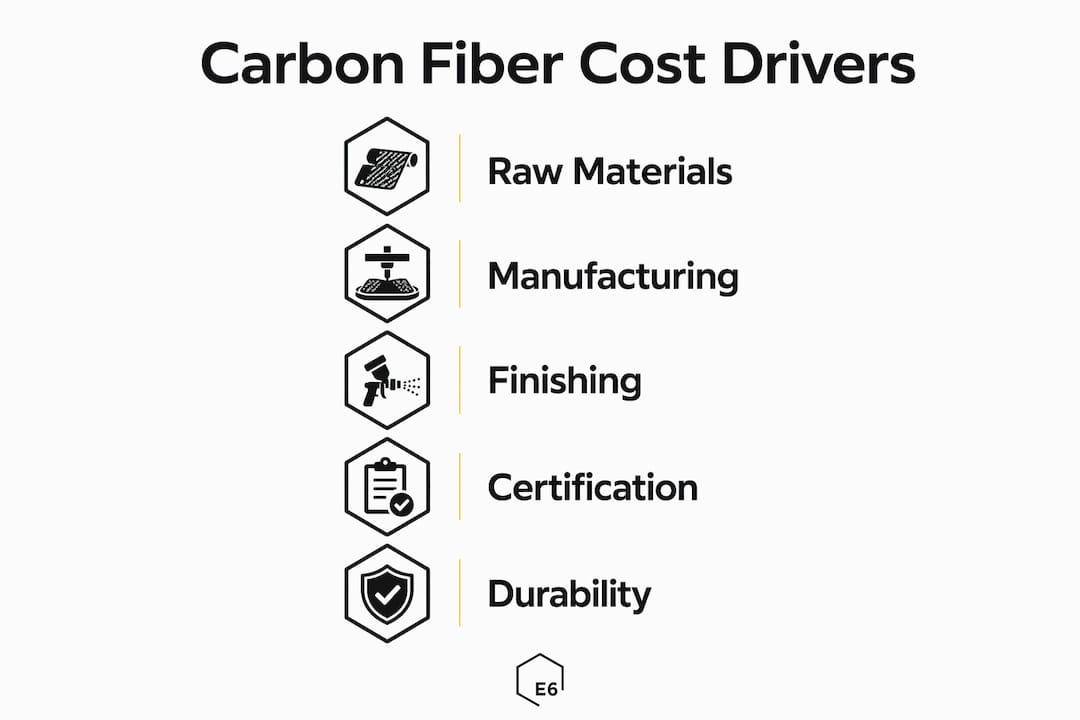
- Raw materials: 39% of total part cost, covering fiber, resin, and core materials
- Manual lamination labor: 16.5% of total cost, reflecting the skilled hours required per part
- Surface finishing and engineering: 28% of total cost, the largest single labor category
- Tooling and mold creation: 20%–50% of prototype cost for custom or low-volume parts
The curing method determines mechanical outcome. Autoclave curing applies heat and pressure simultaneously, consolidating fibers and reducing internal voids far beyond what vacuum infusion achieves. Vacuum infusion is cheaper and faster. It also produces parts with higher void content, lower fiber volume fraction, and reduced structural consistency. For a decorative shelf bracket, that tradeoff is acceptable. For a Mercedes-AMG GT splitter at 150 mph, it is not.
Autoclave-cured parts command a 30%–60% price premium over vacuum-infused alternatives. That premium buys mechanical properties that hold under real load, not just showroom lighting.
Pro Tip: Ask any carbon fiber supplier whether their parts are autoclave-cured or vacuum-infused before purchasing. That single question separates structural parts from decorative ones.
Certification and inspection add another layer. Ultrasound and X-ray testing add thousands of dollars per batch for parts targeting aerospace and premium automotive standards. E6 Carbon embeds these costs into its pricing because a part that fails inspection never ships.
For a deeper look at how prepreg vs. wet layup manufacturing affects both cost and structural outcome, the differences are significant and worth understanding before any purchase.
The yellowing disaster: why cheap carbon fiber fails
Cheap carbon fiber does not fail structurally first. It fails cosmetically, and it does so fast.
“If you buy cheap carbon, you are just renting it until the sun destroys it.”
Low-grade resin systems have minimal UV stabilization. After one summer of direct sun exposure, the clear coat on a budget carbon panel begins to:
- Turn milky or cloudy from UV-induced resin degradation
- Yellow visibly, especially on horizontal surfaces like hoods and roofs
- Develop micro-cracks that allow moisture intrusion beneath the weave
- Lose gloss depth, making the 2×2 twill pattern look flat and washed out
Premium parts use marine-grade UV clear coats applied manually to prevent yellowing and preserve the 2×2 twill aesthetic for the life of the vehicle. Marine-grade formulations are engineered for constant UV exposure at sea, which exceeds the demands of even the sunniest automotive environments. Standard automotive clear coats are not built to that specification.
Surface finishing accounts for 28% of total part cost because the process is entirely manual. It involves multiple stages of wet sanding, polishing, UV coat application, and final inspection. Each stage requires a skilled technician and adds time. Budget manufacturers skip stages. The result looks acceptable in a warehouse. It looks terrible on a Lexus LC500 after six months of California sun.
The full technical breakdown of UV-resistant resin systems and why they matter for long-term cosmetic performance explains the chemistry behind this failure mode in detail.
Why premium carbon fiber is a permanent vehicle asset
High-quality carbon fiber is not a modification. It is a permanent upgrade to the vehicle’s structure and appearance. The distinction matters for owners who plan to keep, show, or eventually sell a performance car.
The long-term value case for premium carbon fiber rests on several concrete points:
- Structural integrity over time: Autoclave-cured parts maintain their fiber volume fraction and mechanical properties for the life of the vehicle. Cheap parts degrade internally even when they look intact.
- Surface quality retention: Marine-grade UV coatings on premium parts hold gloss and weave depth for years. Budget parts require replacement or refinishing within two to three seasons.
- Replacement cost math: A cheap carbon hood at $400 that needs replacement in two years costs more over five years than a $1,200 premium part that holds its finish permanently.
- Platform-specific fitment: Premium manufacturers engineer parts to exact OEM tolerances. A Mercedes-AMG GT front lip or Lexus LC500 rear diffuser from a quality source fits without modification and does not stress mounting points.
- Certification standards: Parts meeting aerospace and premium automotive inspection standards carry embedded quality assurance. Inspection and certification costs are not overhead. They are proof of outcome.
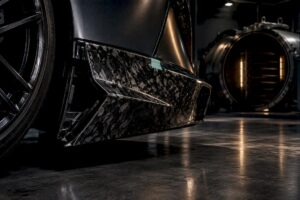
The C8 Corvette platform illustrates this clearly. Owners who install budget carbon side skirts often find panel gaps, surface yellowing, and fitment stress within the first year. Owners who invest in properly engineered, autoclave-cured components from manufacturers like E6 Carbon report zero cosmetic degradation and no fitment issues years later. The forged carbon fiber examples from real automotive builds show the difference in finish quality and structural consistency that separates the two tiers.
Key Takeaways
Premium carbon fiber costs more because every stage of production, from PAN precursor to UV clear coat, requires higher-grade materials, skilled labor, and rigorous inspection that cheap alternatives skip entirely.
| Point | Details |
|---|---|
| Raw material cost | High-purity PAN precursor accounts for over 50% of production cost, with 50% material lost during conversion. |
| Manufacturing labor | Manual lamination and surface finishing together represent nearly half of total part cost. |
| Autoclave vs. vacuum infusion | Autoclave curing commands a 30%–60% price premium and produces parts with far fewer internal voids. |
| UV finishing quality | Marine-grade clear coats prevent yellowing and preserve 2×2 twill aesthetics for the vehicle’s lifetime. |
| Long-term value | A premium part that holds its finish for a decade costs less per year than a cheap part replaced every two seasons. |
What I’ve learned after years of watching cheap carbon fail
The owners who regret their carbon fiber purchases are almost never the ones who spent too much. They are the ones who bought on price and watched a $400 hood turn the color of old mustard by the following spring.
The hidden cost of cheap carbon is not just replacement expense. It is the damage to a vehicle’s visual identity. A yellowed, cloudy carbon panel on a Mercedes-AMG GT or Lexus LC500 does not look like a budget choice. It looks like neglect. That perception affects resale value and, frankly, the owner’s enjoyment of the car every time they walk up to it.
What the industry rarely says plainly: price volatility in 2025–2026 from energy costs and supply chain shifts has pushed manufacturing costs higher across the board. The manufacturers absorbing those costs quietly are the ones cutting corners on resin quality and finishing. The ones passing them through transparently are the ones whose parts still look new in three years.
E6 Carbon’s position is straightforward. Every part is autoclave-cured, finished with marine-grade UV coatings, and built to platform-specific tolerances. The price reflects what it actually costs to do that correctly. Owners who understand the cost breakdown do not need convincing. They need confirmation that the manufacturer they are considering actually meets the standard.
— E6 Engineering
E6 Carbon’s premium carbon fiber parts for serious owners
E6 Carbon specializes in autoclave-cured 2×2 twill carbon fiber components engineered for Mercedes-AMG, Lexus LC500, and C8 Corvette platforms. Every part ships with marine-grade UV clear coats and platform-specific fitment verified to OEM tolerances.

The carbon fiber finishing workflow behind every E6 Carbon part covers multiple stages of manual sanding, UV coat application, and final inspection. For owners who want to understand exactly what separates a permanent vehicle asset from a disposable mod, the Lexus LC500 dry vs. wet carbon guide breaks down the material and manufacturing differences that matter most for long-term ownership. Contact E6 Carbon directly for custom engineering inquiries or platform-specific fitment questions.
FAQ
Why is premium carbon fiber so much more expensive than budget parts?
Premium carbon fiber costs more because of high-purity PAN precursor materials, autoclave curing, manual layup labor, and marine-grade UV finishing. Each stage adds cost that budget manufacturers eliminate by using lower-grade inputs and faster, less controlled processes.
What causes cheap carbon fiber to turn yellow?
Low-grade resin systems with minimal UV stabilization degrade under direct sunlight, causing the clear coat to turn milky, cloudy, and yellow. Premium parts use marine-grade UV clear coats that prevent this degradation for the life of the vehicle.
Is autoclave curing worth the extra cost?
Autoclave curing produces parts with significantly fewer internal voids and higher fiber volume fraction than vacuum infusion. That translates to better structural consistency and mechanical strength, which matters on performance platforms like the Mercedes-AMG GT and Lexus LC500.
How do I evaluate whether a carbon fiber part is worth the price?
Evaluate cost on a strength-to-weight basis over the expected service life, not by upfront price per kilogram. A premium part that holds its finish and structural integrity for a decade delivers better value than a budget part replaced every two seasons.
What percentage of carbon fiber part cost comes from finishing?
Surface finishing accounts for 28% of total carbon fiber part cost, making it the single largest labor category. It requires manual sanding, polishing, UV coat application, and inspection stages that budget manufacturers routinely skip.