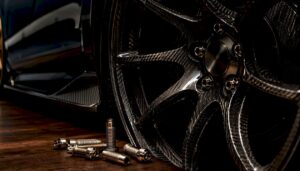
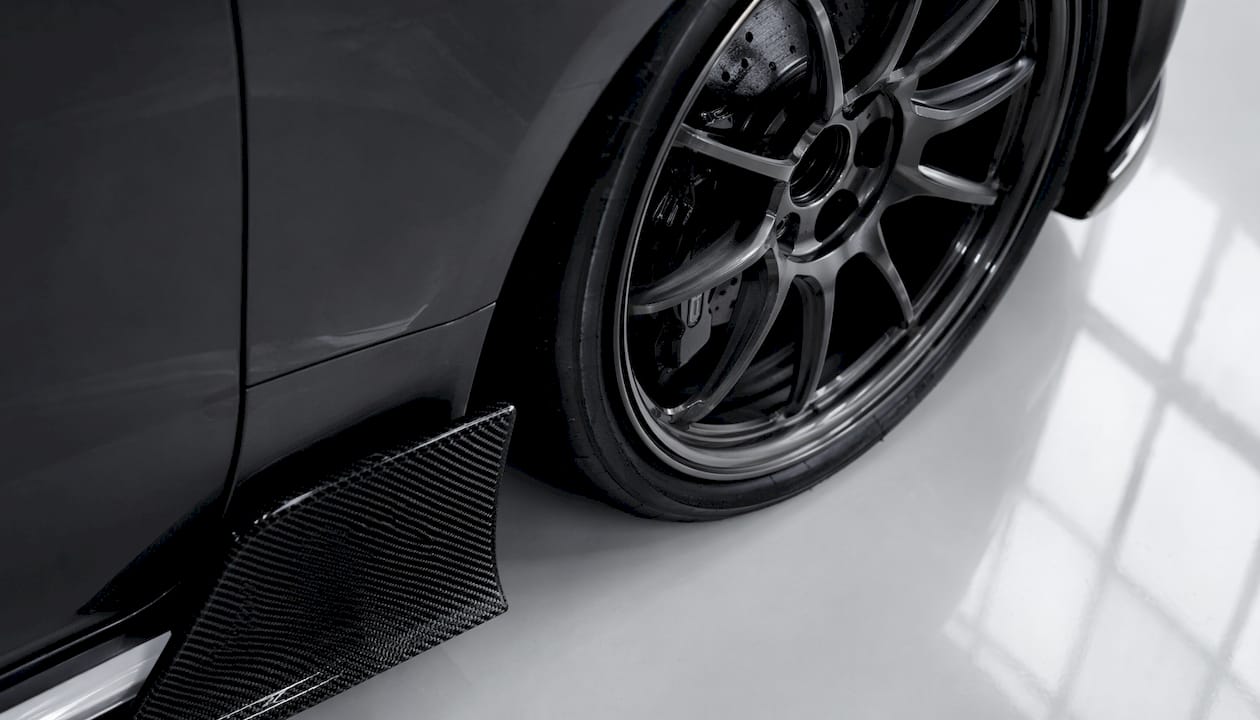
Forged bead seating is a precision-machined bead seat design built directly into a forged aluminum wheel, using integrated grooves and safety humps to grip the tire bead without any mechanical clamping hardware. The result: you can run meaningfully lower tire pressures without risking tire debeading, and the wheel stays fully highway legal. That combination is what separates forged bead seating from both conventional street wheels and traditional beadlocks.
Key facts to know before going deeper:
- What it is: A bead seat geometry machined into the wheel’s inner and outer flanges, not a bolt-on ring or add-on component.
- How it holds: Proprietary grooves engage the tire bead laterally; a more aggressive safety hump profile prevents the bead from rolling inward under side load.
- Why it matters: Lower air pressure increases contact patch size, improving traction and ride quality on trail and track without sacrificing street legality.
- Leading example: Method Race Wheels’ patented Bead Grip Technology® integrates grooves on both the inner and outer bead seat, plus an enhanced safety hump, to achieve beadlock-like retention in a DOT-compliant package.
- Not a beadlock: No mechanical ring, no specialized tire required, no added rotational mass.
What does forged bead seating actually look like up close?
The physical design of a forged bead seat is more complex than it appears from the outside. Three distinct features do the real work.
Integrated bead seat grooves run circumferentially around both the inner and outer bead seats. These are not simple knurling. Bead knurling creates small ridges that raise friction between tire and rim, which helps in high-speed cornering or braking. Patented groove profiles go further: they are machined to a specific depth and cross-section that physically captures the tire bead’s rubber, not just increases surface friction. The difference matters most at very low pressures, where friction alone is insufficient to prevent bead rollover.
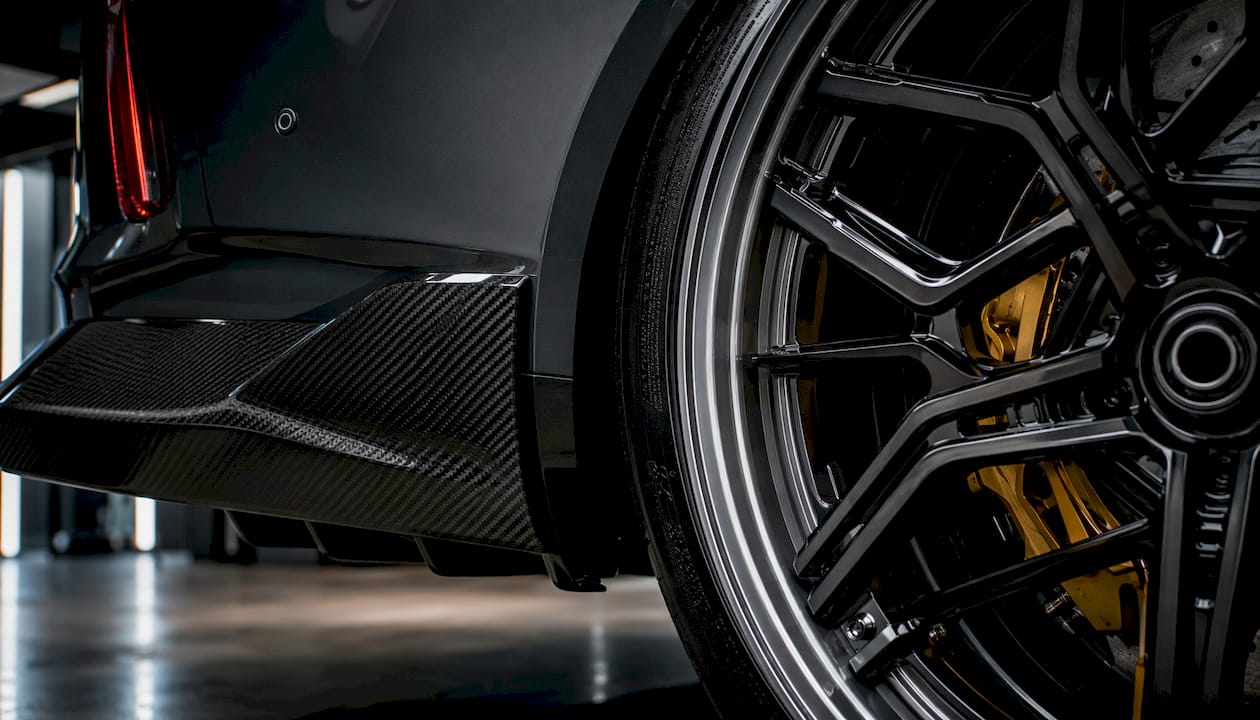
The safety hump is a raised circumferential ridge on the bead seat, positioned inboard of the bead. A standard wheel uses a mild hump profile. Forged bead seating uses a more aggressive geometry that the tire bead must deform over to unseat, requiring substantially more lateral force than normal driving generates.
Aerospace-grade 6061-T6 aluminum is the material that makes tight tolerances achievable. The forging process aligns the grain structure of the alloy, producing a blank dense and consistent enough to hold groove profiles within fractions of a millimeter across the full circumference.
| Design Feature | Standard Wheel | Forged Bead Seat Wheel |
|---|---|---|
| Bead seat surface | Smooth or lightly textured | Precision-machined grooves |
| Safety hump profile | Mild | Aggressive, bead-capturing geometry |
| Material | Cast or flow-formed aluminum | Forged 6061-T6 aluminum |
| Tire retention method | Air pressure alone | Geometry + air pressure |
| Highway legal | Yes | Yes |
Pro Tip: On platforms like the Mercedes-AMG GT or Lexus LC500, where unsprung weight directly affects steering response, the groove geometry must be machined without adding material. The bead seat design is weight-neutral by definition because it removes material from the seat area rather than adding a clamping ring.
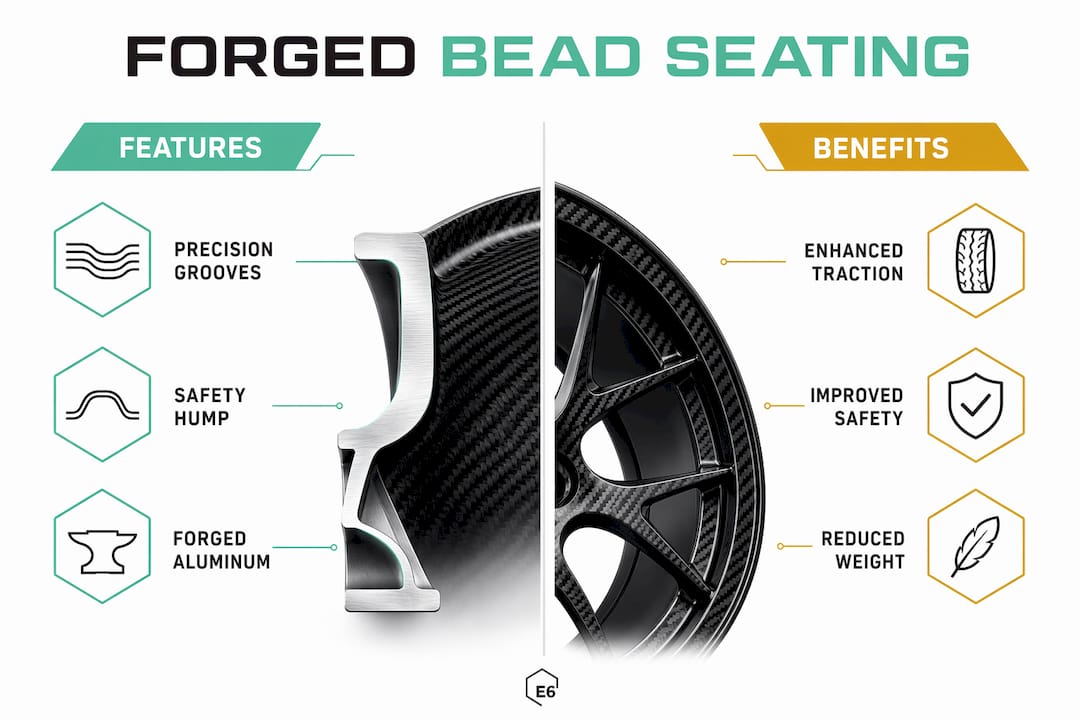
How forged bead seating improves traction, safety, and ride quality
The core function is straightforward: the groove and hump geometry physically locks the tire bead in position so air pressure is no longer the sole retention mechanism. That frees you to drop pressure without the anxiety of a debeading event.
Performance benefits in practice:
- Larger contact patch: Lower pressure allows the tire sidewall to flex more, spreading the footprint across more tread blocks. On loose terrain or wet pavement, that translates directly to grip.
- Reduced vibration: A tire bead that cannot micro-shift under load maintains a consistent tire-wheel interface, which eliminates the low-frequency vibration that comes from bead movement on standard wheels.
- Improved steering feel: Optimized bead seating keeps the tire-wheel interface unbroken, so steering inputs translate directly without the lag or vagueness caused by a bead that has shifted even fractionally.
- Safer low-pressure operation: You can air down for trail sections and air back up for the highway without stopping to re-seat the tire.
- No specialized tires required: Unlike mechanical beadlocks, forged bead seating works with standard DOT tires.
A real-world example: the Ford Ranger Raptor is factory-equipped with Method’s 207 Forged Bead Grip® wheels, specifically because the truck needs to transition between high-speed highway runs and low-pressure off-road sections without a wheel change.
“Reducing air pressure in the tire increases traction and ride quality while on the trail. The ability to safely run lower pressures without having to worry about the tire de-beading, along with staying highway legal, will undoubtedly be a bonus to off-road enthusiasts.” — Method Race Wheels, Bead Grip Technology® product page
Pro Tip: Before your first low-pressure run on forged bead seat wheels, confirm your tire’s minimum recommended pressure with the manufacturer. The bead seat geometry holds the bead, but sidewall integrity still depends on the tire’s own structural rating.
Forged bead seating vs. traditional mechanical beadlocks
Traditional beadlocks clamp the outer tire bead between the wheel’s outer flange and a bolted ring, physically preventing the bead from unseating regardless of air pressure. That approach works, but it comes with real trade-offs.
Mechanical beadlocks are heavier, require specialized tires in many configurations, and are not DOT-approved for highway use in most U.S. states. The bolt ring adds rotational mass, which increases unsprung weight and reduces the wheel’s contribution to handling precision. Forged bead seating achieves comparable retention through machined geometry alone, with no added hardware and no legal restrictions.
One term worth separating from both: automated tire bead seating machines, used in tire shops, are a completely different category. Those machines use vibration and pressure applied to the tire sidewall during mounting to push the bead into the seat. They are mounting tools, not wheel design features.
| Criteria | Mechanical Beadlock | Forged Bead Seat Wheel |
|---|---|---|
| Retention method | Bolted clamping ring | Machined grooves + safety hump |
| Highway legal (U.S.) | Generally no | Yes |
| Weight impact | Adds rotational mass | Weight-neutral |
| Tire compatibility | Often requires specific tires | Standard DOT tires |
| Maintenance | Periodic bolt torque checks | Visual inspection only |
| Complexity | High (ring, hardware) | Low (integral to wheel) |
The scenario where a mechanical beadlock still wins: extreme competitive off-road racing, where pressures drop to near-zero and lateral loads exceed what any geometry-based system can handle. For everything else, including the tire mounting process on street-legal performance builds, forged bead seating covers the use case with less weight and zero legal friction.
How E6 Carbon engineers forged bead seating for elite platforms
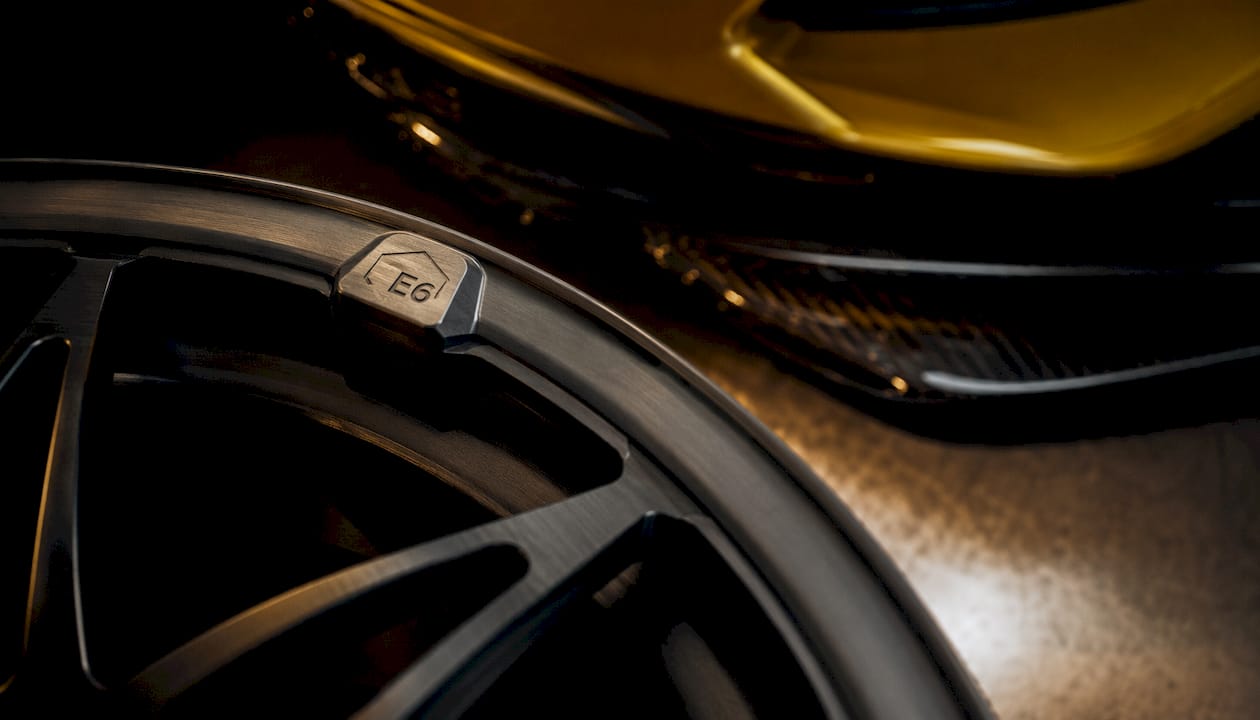
At E6 Carbon, bead seat design is not an afterthought. Every E6 Forged monoblock wheel starts from a forged 6061-T6 billet, and the bead seat geometry is specified alongside the spoke architecture and barrel thickness as part of the same finite element analysis pass.
Key engineering priorities for Mercedes-AMG, Lexus LC500, McLaren, and Lamborghini fitments:
- Unsprung weight reduction: Forging removes material from the barrel and bead seat area without compromising the groove profile depth. A lighter wheel responds faster to suspension inputs, which is measurable in steering feel on platforms like the Mercedes-AMG GT63 S.
- Groove profile vs. knurling: E6 Carbon’s bead seat grooves are machined to a defined cross-section, not knurled. Knurling raises surface friction; a machined groove profile physically captures the bead. For the Lexus LC500’s wide-body fitments running aggressive negative camber, that distinction matters under cornering load.
- Tolerance stack: The groove depth, hump height, and seat diameter must all fall within tight production tolerances. Bead design considering production constraints is an active area of engineering research precisely because small deviations compound across the full circumference.
- McLaren and Lamborghini fitments: Center-lock and multi-piece configurations on these platforms require the bead seat geometry to be validated independently for each barrel section, since the tire load path differs from a monoblock design.
Pro Tip: Inspect forged bead seats every time you dismount a tire. Look for groove deformation or corrosion at the seat surface. A damaged groove profile will not hold the bead at low pressure regardless of how well the rest of the wheel is built.
Understanding why forged aluminum outperforms cast wheels starts with the grain structure that makes precise bead seat machining possible in the first place.
Key Takeaways
Forged bead seating uses precision-machined grooves and an aggressive safety hump to hold the tire bead securely, enabling lower tire pressures and highway-legal operation without any mechanical clamping hardware.
| Point | Details |
|---|---|
| Geometry does the work | Integrated grooves and safety humps retain the tire bead without a bolt-on ring or added hardware. |
| Highway legal by design | Forged bead seating meets DOT standards, unlike most mechanical beadlock systems. |
| Weight-neutral retention | The machined groove design removes material rather than adding it, preserving unsprung weight targets. |
| Works with standard tires | No specialized DOT tire is required, unlike many mechanical beadlock configurations. |
| Platform-specific tolerances | On Mercedes-AMG, Lexus LC500, and McLaren fitments, groove depth and hump height must be validated per barrel geometry. |
FAQ
What is forged bead seating on a wheel?
Forged bead seating is a precision-machined bead seat design on forged aluminum wheels that uses integrated grooves and an aggressive safety hump to grip the tire bead securely, allowing lower tire pressures without mechanical beadlocks.
What does forged beadlock mean?
A forged beadlock wheel typically refers to a wheel that uses forged construction combined with either a mechanical beadlock ring or, in the case of bead grip technology, machined geometry that mimics beadlock retention while remaining highway legal.
Do tire bead seaters work?
Automated tire bead seating machines, which use vibration and sidewall pressure during mounting, reliably seat tire beads onto wheels. They are shop mounting tools and are unrelated to the forged bead seat design built into the wheel itself.
Can forged bead seating work with any tire?
Yes. Unlike mechanical beadlocks that sometimes require specialized tires, forged bead seating works with standard DOT tires across a wide range of sizes, making it practical for both street and trail use.
How do you maintain a forged bead seat?
Inspect the bead seat grooves visually each time a tire is dismounted, checking for groove deformation, corrosion, or debris. No periodic hardware torque checks are needed, unlike mechanical beadlock rings.

E6 Carbon’s forged wheel catalog covers monoblock, multi-piece, and beadlock configurations for Mercedes-AMG, Lexus LC500, McLaren, and Lamborghini platforms, each engineered with bead seat geometry specified to the fitment. Explore the full lineup and request a fitment consultation at E6 Carbon.