TL;DR:
- Tailored automotive customization significantly enhances handling, braking, and exclusivity compared to off-the-shelf parts. Proper engineering ensures optimal component fitment, reduced mass, and superior performance, especially for high-end vehicles. The most successful builds follow a structured process involving detailed specifications, vehicle-specific design, and professional guidance to avoid costly mistakes.
Swapping wheels or bolting on a carbon fiber splitter looks like a style move on the surface. But for anyone running a Ferrari, Lamborghini, or McLaren, those decisions carry real engineering weight. The truth is that most off-the-shelf upgrades are designed for the widest possible market, which means they’re optimized for no one in particular. Truly tailored customization changes that equation entirely, delivering measurable gains in handling, braking, and exclusivity that generic parts simply cannot replicate. This article breaks down how bespoke automotive customization works, where the real value lies, and how to navigate your options without wasting time or money.
Table of Contents
- Why customization matters in automotive upgrades
- Types of customization: From component swaps to bespoke engineering
- Performance and engineering: The hidden impact of tailored upgrades
- Navigating the choices: Curated guidance vs. unlimited options
- Applying customization: Making the right choices for your vehicle
- What most enthusiasts get wrong about customization
- Explore premium customization solutions for your car
- Frequently asked questions
Key Takeaways
| Point | Details |
|---|---|
| Customization drives performance | Tailored upgrades reduce mass and boost handling, providing true improvements over generic parts. |
| Curated options minimize risk | Structured choices and expert guidance help owners avoid costly or mismatched results. |
| Engineering is often hidden | Even cosmetic changes can require deep engineering for fit, access, and integration. |
| Choose wisely and seek guidance | Success in customization comes from defining goals and working with expert support. |
Why customization matters in automotive upgrades
The word “customization” gets thrown around loosely in the automotive world. For most people, it means picking a color or adding a spoiler. For serious enthusiasts, it means engineering a car to behave exactly the way you want it to, at the limits of performance where differences actually matter.
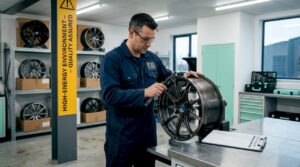
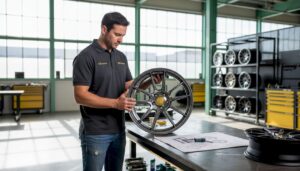
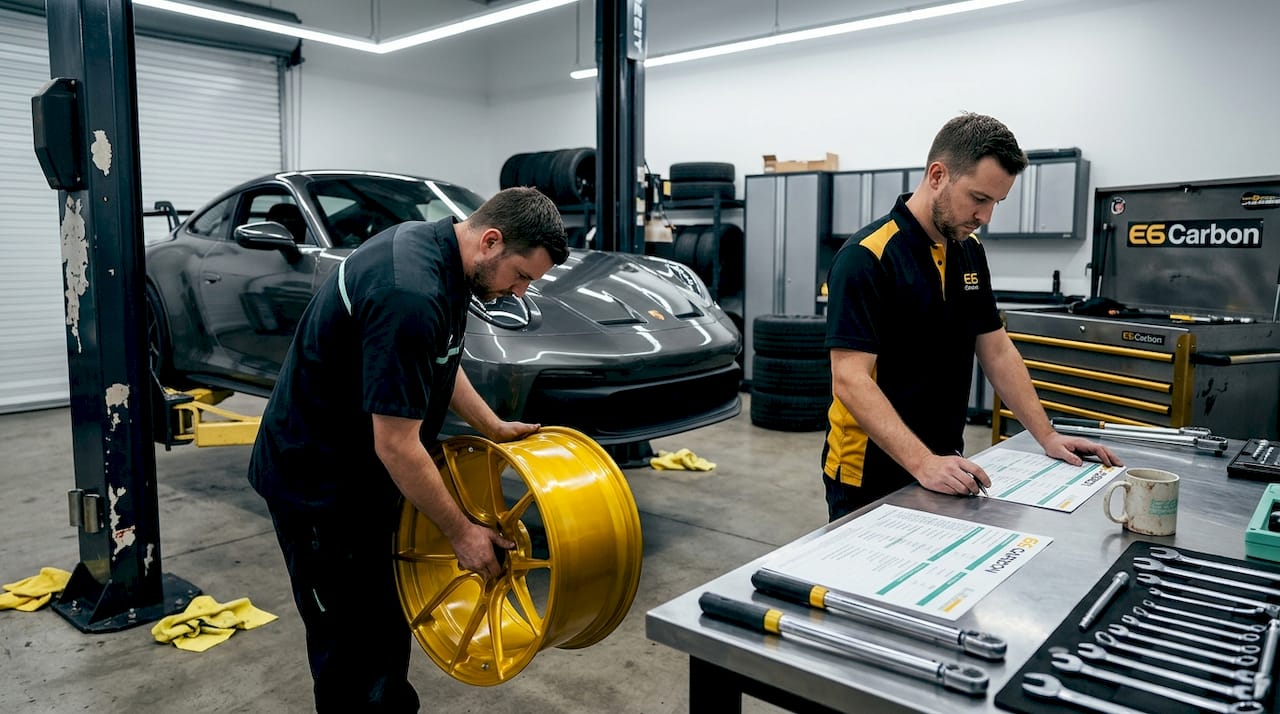
One of the most impactful areas is wheel selection. Understanding wheel customization basics shows just how dramatically the right forged wheel specification changes the dynamics of a car. Unsprung mass (the weight not supported by the suspension) and rotational mass are two of the most sensitive variables in any chassis setup. Rotational and unsprung mass directly impact steering response, braking efficiency, and handling balance. Reduce those numbers with a properly engineered forged wheel and the car steers faster, brakes shorter, and rotates more predictably. Add unnecessary mass with a poorly matched aftermarket wheel, and you’ve actually made a $250,000 sports car feel worse to drive.
Here’s what customization actually delivers beyond aesthetics:
- Improved handling response through reduced unsprung and rotational mass
- Better brake cooling with open-face designs engineered for specific caliper clearances
- Correct load ratings matched to the vehicle’s actual weight and use case
- Finish consistency that matches or elevates the factory standard
- One-off exclusivity that turns a production car into something genuinely singular
The risks of skipping real customization are equally real. Off-the-shelf wheels from discount aftermarket brands often use casting processes that leave internal voids and inconsistent wall thickness. They meet minimum standards, but only just. Why automotive personalization matters for performance goes far beyond the visual. When the spec is wrong, you’re paying for a part that undermines the engineering your factory team spent years refining.
Pro Tip: Before choosing any forged wheel, confirm the exact backspacing and offset spec for your specific model year and trim. Even minor variations in offset can cause rubbing under compression or change the scrub radius enough to affect steering feel.
Types of customization: From component swaps to bespoke engineering
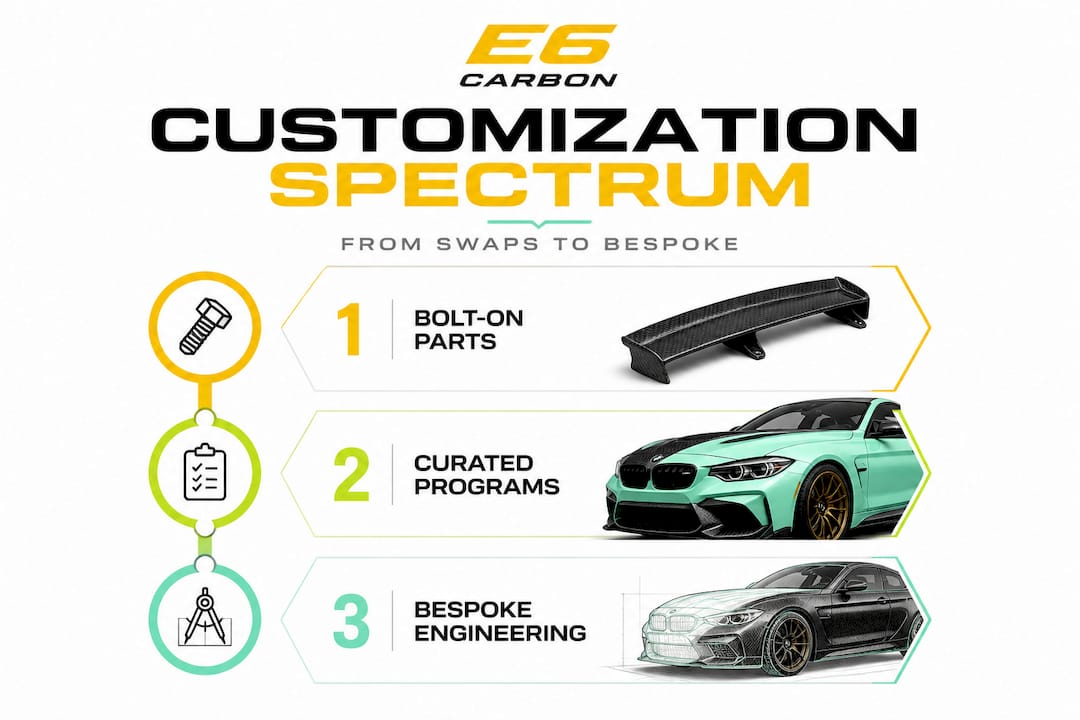
Customization exists on a spectrum. At one end, you have bolt-on component swaps: buy a part, install it, done. At the other end, you have fully engineered, one-off builds where every component is designed from scratch for a specific vehicle and owner. Most performance upgrades fall somewhere in the middle.
Luxury programs structure customization like the Range Rover SV Bespoke and Cadillac’s curated programs using finite, carefully vetted option sets that preserve fit and finish while still delivering real personalization. This approach ensures the customer gets exclusivity without sacrificing quality or creating compatibility issues.
Here’s how the spectrum breaks down in practice:
| Customization type | Example | Fit and finish | Complexity | Cost range |
|---|---|---|---|---|
| Standardized bolt-on | Aftermarket wheel, generic fitment | Variable | Low | $ |
| Curated OEM-adjacent | Range Rover SV, Cadillac program | High | Medium | $$$ |
| Fully bespoke one-off | Custom forged monoblock, one-off body kit | Exceptional | High | $$$$ |
When you commission a truly custom part, the process typically follows these steps:
- Initial specification covering vehicle details, intended use (street, track, show), and performance goals
- Design review where drawings or 3D renders are approved before any machining begins
- Material selection including alloy grade, forging process, and surface treatment
- Prototype or sample review for fit confirmation before full production
- Final delivery with documentation covering load ratings, fitment specs, and care instructions
For owners of custom wheels for luxury cars, the commissioning experience itself carries value. You’re not just buying a product. You’re specifying something that no other car in the world will have, built to the tolerance standards that a $300,000 vehicle deserves.
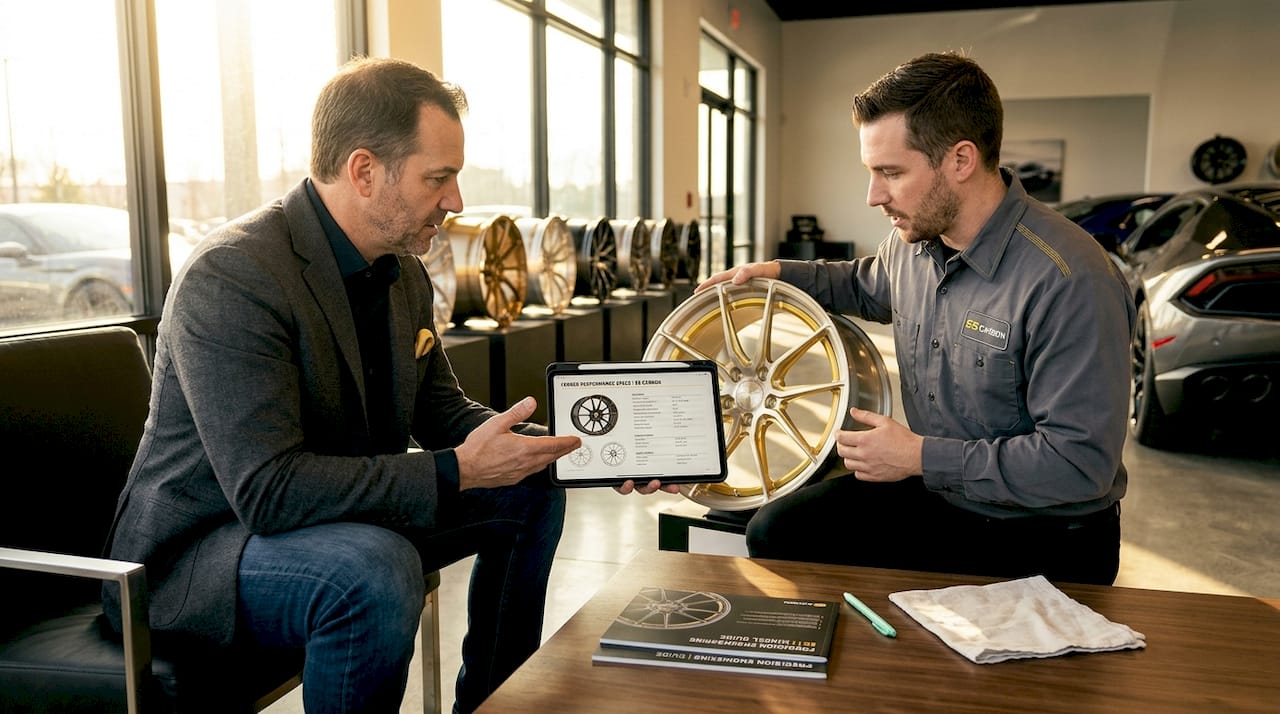
A deeper vehicle restyling overview also reveals how many owners underestimate the importance of cohesion. A stunning forged wheel that clashes with the body kit finish, or a carbon splitter that doesn’t align with the factory aero intent, creates visual noise rather than a unified statement.
Performance and engineering: The hidden impact of tailored upgrades
Here’s where it gets interesting. Most enthusiasts think of customization as a design exercise with some performance benefits attached. In reality, even changes that appear cosmetic often require serious engineering work beneath the surface.
Consider the Serious66 C2 Corvette SEMA build as a case study. Packaging constraints forced hundreds of one-off parts and inventive engineering solutions. What started as a stylistic vision became a complex mechanical project, because the moment you change one system on a modern or vintage performance car, adjacent systems need to accommodate it. The space available for a new component is never exactly what a universal aftermarket part expects.
Common packaging challenges and their bespoke engineering solutions:
| Packaging challenge | Generic aftermarket outcome | Bespoke engineering solution |
|---|---|---|
| Wheel offset conflicts with suspension geometry | Rubbing or incorrect scrub radius | Custom offset and backspacing per model |
| Carbon splitter interfering with sensors | Sensor relocation, signal loss | Integrated sensor housing in component design |
| Big brake kit hitting stock wheel spokes | Forced wheel replacement without coordination | Coordinated wheel and brake package from same manufacturer |
| Exhaust heat affecting composite body panel | Panel discoloration or warping | Heat shielding integrated into panel design |
“The cars we build have to work visually and mechanically at the same time. Every panel, every wheel, every vent has to solve a problem and look intentional doing it.” This is the reality of high-end custom builds: every aesthetic choice is also an engineering decision.
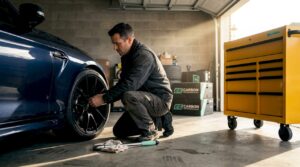
The same logic applies to carbon fiber components. A carbon hood that isn’t engineered for the specific hinge geometry of your Ferrari 458 will either fit poorly or require modification of factory mounting points. How custom components alter performance runs much deeper than visual transformation.
Pro Tip: Always ask your fabricator or supplier for a vehicle-specific fitment confirmation, not just a general “fits your model” claim. Fitment varies between model years, regional variants, and factory option packages.
Navigating the choices: Curated guidance vs. unlimited options
Unlimited choice sounds appealing until you’ve seen what happens when an enthusiast specifies a build without guidance. The result is often a collection of individually impressive parts that don’t work together visually or mechanically.
Luxury customization programs like Cadillac’s Curated program address this directly. They use commissioning suites, concierge advisors, and pre-vetted option sets to guide owners toward combinations that actually work together. The goal isn’t to limit you. It’s to prevent the kind of costly, time-consuming mistakes that come from spec-ing components in isolation.
Here’s what to look for in any quality customization process, whether you’re working with a manufacturer program or an aftermarket specialist:
- Dedicated fitment confirmation for your specific vehicle identification number and build spec
- Finish and material sample review before committing to production
- Clear load rating and safety documentation for wheels and structural components
- Compatibility review covering existing modifications and planned future changes
- Aftercare guidance including cleaning protocols, torque specs, and storage recommendations
- Transparent lead times with milestone updates throughout the build
The risks of skipping curated guidance are real. A wheel that looks perfect in a product photo but hasn’t been confirmed for your specific brake package can result in caliper contact under load. A carbon body kit installed without checking factory aero pathways can actually create lift where there should be downforce. These aren’t hypothetical edge cases. They’re documented failures that happen when enthusiasm outpaces process.
Applying customization: Making the right choices for your vehicle
Knowing that customization matters is one thing. Knowing how to pursue it without wasting money or compromising your car is another. The process starts with clarity about your actual goals.
Are you building for track performance, where lap times and tire wear are the measure of success? Are you aiming for a show car with visual impact as the primary metric? Or are you targeting street use where the build needs to survive daily conditions while still delivering the feel and exclusivity of a bespoke vehicle? Each goal leads to different specifications and different priorities.
Magnesium monoblock wheels and hand-painted bespoke finishes demonstrate what’s possible when commissioning is taken seriously. These aren’t catalog picks. They’re specifications developed through direct conversation between the owner and the engineering team, resulting in components that could not exist for any other car.
Follow this five-step process when commissioning any serious upgrade:
- Define your use case clearly including road conditions, event types, and mileage expectations
- Audit your current setup to identify existing modifications that may affect fitment or compatibility
- Establish a total budget that accounts for the component, installation, alignment, and any necessary supporting modifications
- Request vehicle-specific documentation from the manufacturer before placing an order
- Confirm installation support by identifying a qualified installer familiar with your vehicle platform
Customization tips consistently point to the same lesson: the best builds are planned, not assembled part by part over time without a guiding vision. When you know where you’re going, every decision supports the next one.
Pro Tip: Commission the wheels and any significant aero components together, even if you plan to install them separately. Designing them as a set ensures visual and functional cohesion that’s nearly impossible to achieve when specifying them independently.
What most enthusiasts get wrong about customization
Here’s an opinion worth sitting with: maximum freedom is not the same as maximum results.
The instinct most enthusiasts have is to want total control. Every part chosen independently, every spec personally researched, no intermediary between them and the catalog. This approach produces cars that are deeply personal in process and often deeply compromised in outcome. We’ve seen it repeatedly. A Lamborghini with stunning forged wheels that clash with a carbon kit specified from a different supplier in a different year with different light-capture properties. Everything was the best available. Nothing was designed to coexist.
The strongest builds we see come from owners who invest as much in the process as the parts. They work with manufacturers who offer real commissioning support. They accept that a curated option set exists because the alternatives have been evaluated and rejected on engineering or aesthetic grounds. They treat common mistakes with luxury customizations as lessons to skip rather than experiences to have personally.
The aftermarket is genuinely powerful. There are components available today that outperform anything OEM programs offer. But sourcing them well requires the same discipline that factory programs build into their process by default. The difference between a world-class custom build and an expensive mess is usually not the quality of individual components. It’s the coherence of the vision and the rigor of the process behind it.
Explore premium customization solutions for your car
If this article has shifted how you think about customization, the next move is finding partners who take that same approach to every product they build.
At E6 Carbon and E6 Forged, every wheel and carbon fiber component is engineered for specific vehicles, specific use cases, and specific performance goals. Before you install anything new on your BMW, Ferrari, or McLaren, read through the guide on how to inspect forged wheels for safety to ensure every wheel you’re running meets the standard your car demands. When you’re ready to fit, the forged wheel installation guide walks through every step with precision. And if you’re ready to spec something extraordinary, explore the AR03 multipiece wheels as a starting point for what bespoke forged engineering actually looks like.
Frequently asked questions
Why does reducing unsprung and rotational mass matter?
Forged wheels reduce rotational mass, which directly improves steering response, braking efficiency, and acceleration by reducing the energy required to spin and stop each wheel.
Are curated manufacturer options better than aftermarket parts?
Curated luxury programs offer vetted fit, finish, and commissioning support that reduces specification errors, while quality aftermarket parts can deliver equal or better performance when selected with the same discipline.
What are common pitfalls in cosmetic customizations?
Cosmetic changes often expose packaging constraints that force complex one-off engineering solutions, turning a simple visual upgrade into a significant and costly mechanical project.
How involved is the bespoke commissioning process?
Quality programs guide owners through spec selection, sample review, fitment confirmation, and final delivery with documented support at every stage of the build.
Can I mix and match custom aftermarket parts safely?
Mixing parts is possible but requires thorough compatibility checks across fitment, load ratings, and finish specifications, along with a clear understanding of how each component interacts with adjacent systems on your specific vehicle.