Choosing the wrong wheels can destroy your car’s handling and ruin its visual appeal. Mismatched fitment creates rubbing issues, compromises braking performance, and makes your luxury or sports car look awkward. This guide walks you through the exact steps to confidently select and customize premium forged wheels that enhance both performance and style. You’ll learn how to measure critical dimensions, choose the right forged wheel options, verify proper installation, and avoid common mistakes that cost enthusiasts thousands in 2026.
Table of Contents
- Preparation: Key Factors To Consider Before Matching Wheels To Your Car
- Execution: Step-By-Step Process For Selecting And Customizing Premium Forged Wheels
- Verification: Installation, Inspection, And Common Pitfalls To Avoid
- Expected Results: How Properly Matched Wheels Enhance Your Car’s Performance And Style
- Explore E6 Carbon’s Forged Wheels And Expert Guides
Key takeaways
| Point | Details |
|---|---|
| Measure key dimensions | Check diameter, width, offset, and bolt pattern to ensure proper fitment and avoid clearance issues |
| Choose quality forged wheels | Forged construction offers superior strength and weight reduction compared to cast alternatives |
| Balance style with performance | Select finishes and structures that complement your car’s aesthetics while maintaining track capability |
| Professional installation matters | Proper torque specs and safety inspections prevent wheel failures and optimize long-term performance |
Preparation: Key factors to consider before matching wheels to your car
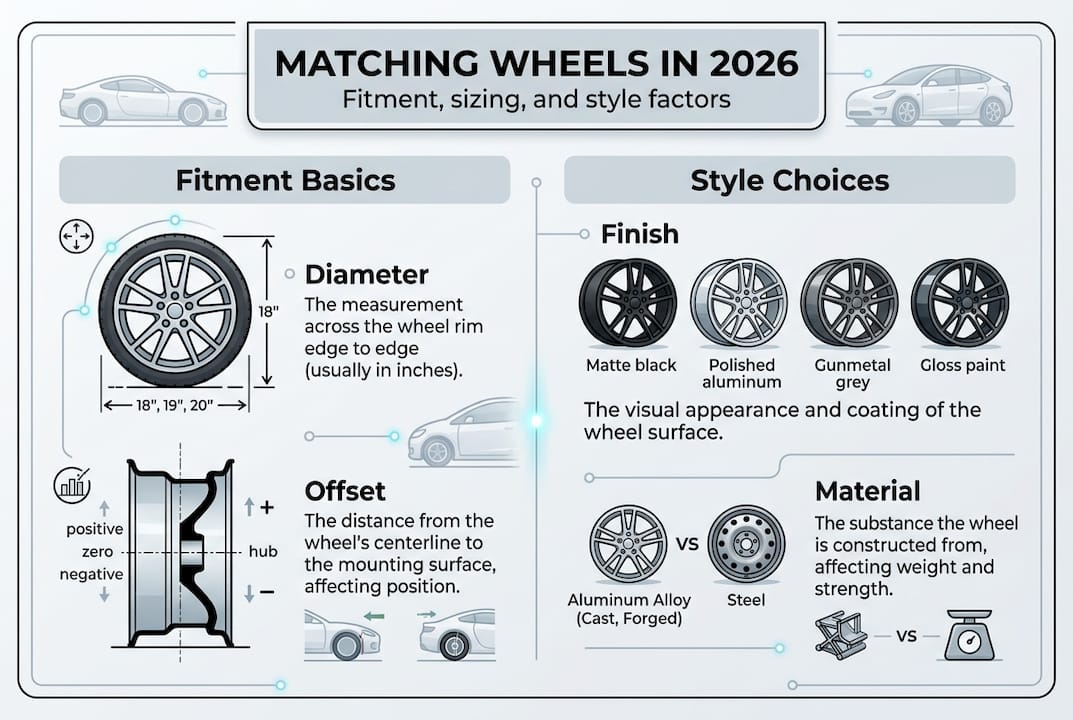
Before you start shopping for wheels, you need to understand four critical dimensions that determine whether a wheel will fit your car properly. Proper wheel matching involves understanding diameter, width, offset, and bolt pattern for compatibility, and getting any of these wrong creates expensive problems.
Wheel diameter measures the size from one edge to the opposite edge, typically ranging from 18 to 22 inches for luxury and sports cars. Width indicates how wide the wheel face is, affecting tire contact patch and grip. Offset determines how far the mounting surface sits from the wheel’s centerline, controlling how far the wheel sits inward or outward from the fender. Bolt pattern specifies the number of lug holes and the diameter of the circle they form, which must match your vehicle exactly.
These dimensions work together to determine fitment. A wheel with incorrect offset might clear your suspension components but rub against the fender during turns. Wrong bolt pattern means the wheel won’t mount at all. Oversized diameter without proper width can create a stretched tire profile that hurts handling.
Luxury and sports cars have unique clearance requirements due to larger brake calipers and performance suspension components. Your new wheels must clear these without interference during full steering lock and suspension compression. High-performance vehicles often need specific spoke designs that accommodate oversized brake systems.
Wheel dimension standards by vehicle segment:
| Vehicle Type | Common Diameter | Typical Width | Offset Range | Common Bolt Pattern |
|---|---|---|---|---|
| Sports cars | 19-20 inches | 8.5-11 inches | +35 to +45mm | 5×112, 5×114.3 |
| Luxury sedans | 19-21 inches | 8-10 inches | +30 to +50mm | 5×120, 5×112 |
| Performance SUVs | 20-22 inches | 9-11 inches | +25 to +45mm | 5×120, 5×130 |
| Supercars | 19-21 inches | 9-12 inches | +20 to +50mm | 5×112, 5×130 |
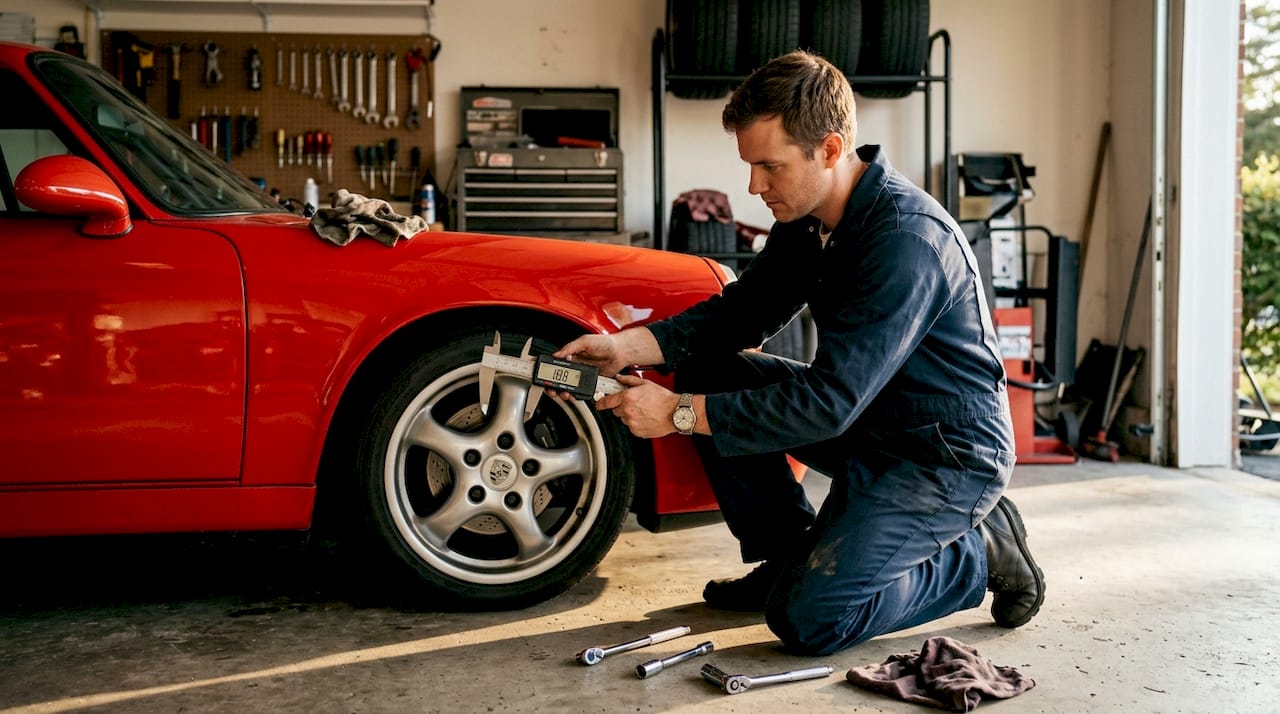
Pro Tip: Always measure your current wheel specs and vehicle hub measurements before ordering. Use digital calipers for offset and a tape measure for diameter. Compare these against manufacturer specifications to catch discrepancies that could indicate previous modifications.
Understanding performance wheel finishes also matters during preparation because certain finishes add weight or require specific maintenance that affects your final choice. Powder coating adds durability but increases weight slightly compared to polished finishes.
Execution: Step-by-step process for selecting and customizing premium forged wheels
Once you’ve gathered your vehicle specifications, follow this systematic approach to select wheels that deliver both performance gains and visual impact. Custom forged wheels offer up to 40% weight reduction and enhanced performance benefits compared to factory options, making the selection process worth getting right.
Step 1: Verify your vehicle’s exact specifications including year, make, model, and trim level. Different trim packages often have different brake sizes and suspension setups that affect wheel clearance. Check your owner’s manual or measure the bolt pattern, center bore, and current wheel offset directly.
Step 2: Select your forged wheel style based on your primary use case. Monoblock wheels offer maximum strength for track use. Multi-piece designs provide extensive customization options for show cars. Beadlock wheels suit off-road capable sports SUVs. Match the wheel structure to how you actually drive your car, not just how you want it to look.
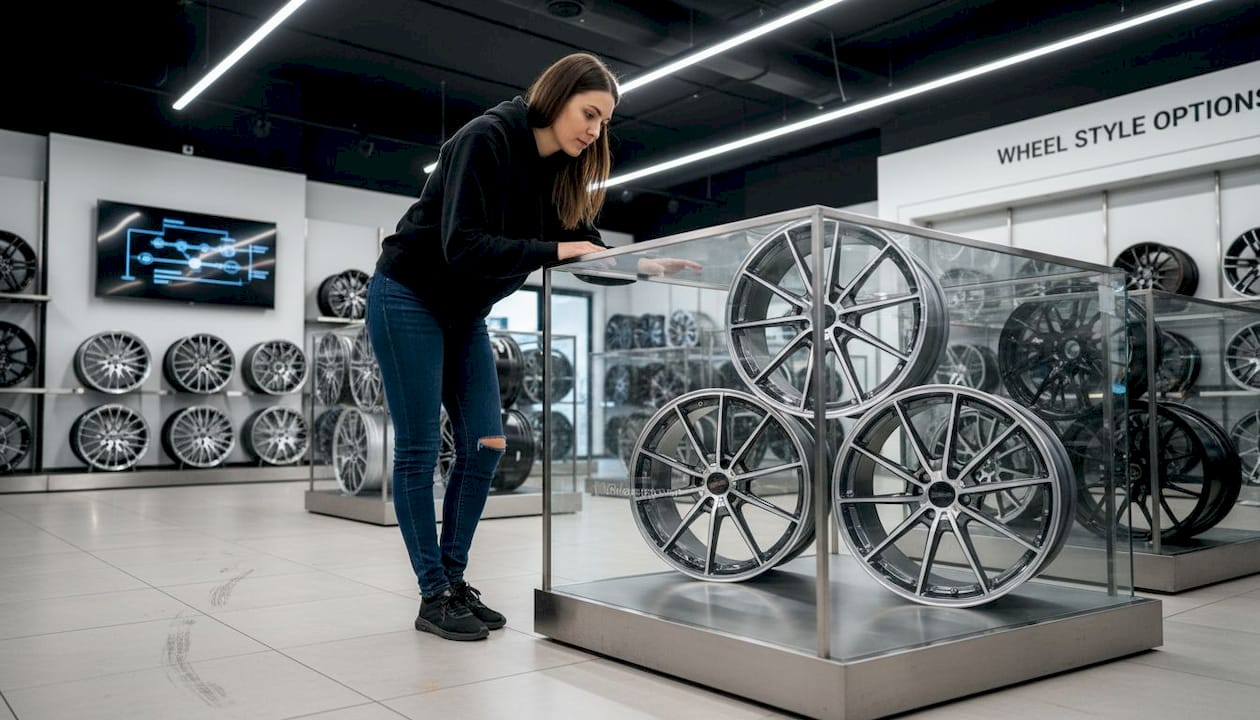
Step 3: Choose your finish and color scheme. Brushed finishes hide brake dust better than polished options. Gloss black creates dramatic contrast on light-colored cars. Custom powder coating lets you match factory paint codes exactly. Consider maintenance requirements because some finishes need weekly cleaning to maintain their appearance.
Step 4: Determine optimal sizing for your performance goals. Wider wheels improve grip but add weight. Larger diameters reduce sidewall flex for sharper turn-in but create a harsher ride. Most enthusiasts find the sweet spot 1-2 inches larger in diameter and 0.5-1 inch wider than factory specs.
Popular forged wheel options comparison:
| Wheel Type | Weight Savings | Customization | Best For | Price Range |
|---|---|---|---|---|
| Monoblock | 25-35% | Limited | Track performance | $2,500-$4,000 per wheel |
| Multi-piece | 30-40% | Extensive | Show and street | $3,000-$6,000 per wheel |
| Beadlock | 20-30% | Moderate | Mixed use | $2,800-$4,500 per wheel |
| AeroDisc | 35-45% | High | Aerodynamic focus | $3,500-$7,000 per wheel |
Pro Tip: Prioritize unsprung weight reduction over visual impact if you track your car regularly. Every pound removed from wheel weight improves acceleration, braking, and suspension response more dramatically than equivalent weight savings from the chassis.
Explore custom wheels for luxury cars to see how different customization choices affect both performance metrics and resale value. Premium finishes typically maintain value better than extreme custom colors. Review the complete performance wheel upgrade guide for detailed specifications on sizing combinations that work best for specific vehicle platforms.
Verification: Installation, inspection, and common pitfalls to avoid
Proper installation determines whether your premium forged wheels deliver their promised performance benefits or become a safety liability. Safety inspection after forged wheel installation is critical to prevent failures, and skipping verification steps creates dangerous driving conditions.
Start by cleaning the hub surface thoroughly to remove any rust, dirt, or old adhesive. Mount each wheel carefully, threading lug nuts by hand first to avoid cross-threading. Use a calibrated torque wrench to tighten lug nuts in a star pattern to the manufacturer’s specified torque, typically 80-100 ft-lbs for most luxury and sports cars. Never use an impact wrench for final tightening because it can stretch studs or create uneven pressure.
After driving 50-100 miles, re-torque all lug nuts because initial settling can cause them to loosen slightly. This step prevents wheel detachment, which causes catastrophic accidents. Check torque again after any tire service or if you hear unusual noises from the wheel area.
Critical safety inspection checkpoints:
- Verify no contact between wheel spokes and brake calipers during full steering lock
- Confirm adequate clearance between tire sidewall and suspension components
- Check for any vibration or wobble at highway speeds indicating improper balance
- Inspect lug nuts for proper seating and torque after first 100 miles
- Examine wheel faces for any cracks, especially around lug holes and spoke junctions
- Test center caps for secure fitment that won’t detach at speed
Common installation mistakes include using incorrect lug nuts or bolts that don’t match the wheel’s seat type. Conical seat wheels require conical lug nuts, while ball seat designs need ball seat hardware. Mixing these creates loose wheels and damaged mounting surfaces. Another frequent error involves forgetting hub-centric rings when the wheel’s center bore is larger than the vehicle’s hub diameter, causing vibration and uneven load distribution.
“Professional wheel installation isn’t just about torque specs. It’s about verifying every clearance point, checking balance precision, and conducting a comprehensive safety inspection that protects both your investment and your life. Never skip the post-installation verification drive and re-torque service.”
Consult professionals immediately if you notice any unusual vibrations, pulling to one side, or clicking noises after installation. These symptoms indicate serious fitment or installation problems that worsen quickly. Most reputable wheel installers offer free re-torque services within the first month because they understand the critical importance of proper settling.
Follow the detailed forged wheel installation guide for complete torque specifications and installation sequences specific to different wheel types. Professional installation typically costs $200-400 but includes proper balancing, alignment verification, and the expertise to catch fitment issues before they become dangerous.
Expected results: How properly matched wheels enhance your car’s performance and style
When you match wheels correctly to your luxury or sports car, the improvements go far beyond aesthetics. Upgrading to properly matched forged wheels can significantly enhance vehicle handling and style, delivering measurable performance gains you’ll feel on every drive.
Reduced unsprung weight creates the most dramatic performance improvement. Every pound removed from wheel weight allows your suspension to react faster to road imperfections, improving tire contact and grip. This translates to sharper turn-in response, shorter braking distances, and better acceleration. Track-focused enthusiasts often see lap time improvements of 1-2 seconds per minute simply from proper wheel upgrades.
Properly sized wheels optimize your tire’s contact patch with the road surface. Wider wheels let you run wider tires that increase grip during cornering and acceleration. The right offset positions this contact patch ideally under your suspension geometry, maximizing the effectiveness of your alignment settings. You’ll notice reduced body roll and more predictable handling at the limit.
Visual transformation ranks equally important for most enthusiasts. Premium forged wheels with custom finishes completely change your car’s stance and presence. Aggressive fitment that sits closer to the fenders creates a planted, purposeful look that factory wheels never achieve. Custom colors and finishes let you create a unique aesthetic that reflects your personal style while maintaining the sophistication expected of luxury vehicles.
Key performance and style benefits:
- Improved cornering grip and stability through optimized contact patch and reduced weight
- Shorter braking distances from decreased rotational mass and better heat dissipation
- Quicker acceleration response due to reduced unsprung weight
- Enhanced steering feedback and precision from rigid forged construction
- Aggressive visual stance that complements performance modifications
- Custom finish options that create unique, personalized appearance
- Better tire wear patterns from proper fitment and alignment optimization
- Increased resale value for enthusiasts seeking properly modified vehicles
The combination of performance and aesthetic improvements justifies the investment in premium forged wheels. Your car becomes more enjoyable to drive while looking exactly how you envisioned it. Other enthusiasts immediately recognize quality wheel upgrades, making properly matched forged wheels one of the most impactful modifications you can make.
Explore racing spec wheels guide to understand how competition-focused wheel designs push performance benefits even further for track-dedicated builds. These extreme options sacrifice some street comfort for maximum performance capability.
Explore E6 Carbon’s forged wheels and expert guides
E6 Carbon specializes in premium forged wheels engineered specifically for luxury and sports car enthusiasts who demand both performance and style. Our AR01 multi-piece forged wheels combine aggressive aesthetics with track-proven durability, offering extensive customization options that let you create the perfect setup for your vehicle.
We provide comprehensive resources to guide your wheel upgrade journey. Our detailed forged wheel safety inspection guide walks you through professional-level inspection techniques that protect your investment. The complete forged wheel installation guide ensures you achieve proper fitment and torque specifications for long-term reliability.
Explore our AR01 multipiece wheels to see how premium forged construction and custom finishes transform your car’s performance and appearance. Every wheelset includes detailed fitment specifications and installation support to ensure perfect compatibility with your vehicle.
Frequently asked questions
How do I know if a wheel is compatible with my car?
Check your vehicle’s bolt pattern, center bore diameter, offset range, and wheel diameter limits against the wheel’s specifications. These must match exactly for safe fitment. Measure your current wheels or consult your owner’s manual for factory specifications, then verify the new wheels fall within acceptable ranges for offset and diameter.
What are the benefits of forged wheels over cast wheels?
Forged wheels offer 25-40% weight reduction compared to cast alternatives while providing superior strength and impact resistance. The forging process creates denser material structure that handles stress better, allowing thinner spoke designs that reduce unsprung weight. This improves acceleration, braking, handling response, and fuel efficiency while offering greater customization options for finishes and styles.
Can I install forged wheels myself or should I seek professional help?
Professional installation is strongly recommended for forged wheels to ensure proper torque specifications, wheel balance, and safety verification. Installers have calibrated torque wrenches, precision balancing equipment, and experience identifying fitment issues before they cause damage. DIY installation risks cross-threading lug studs, improper torque that leads to wheel detachment, or missing clearance problems that damage components.
How often should I inspect my forged wheels for safety?
Inspect forged wheels every six months during regular maintenance and immediately after any impact like hitting potholes or curbs. Look for cracks around spoke junctions and lug holes, check for loose lug nuts, and examine finishes for corrosion or damage. Track-driven cars need inspection after every event because extreme loads can reveal stress cracks that develop into failures.