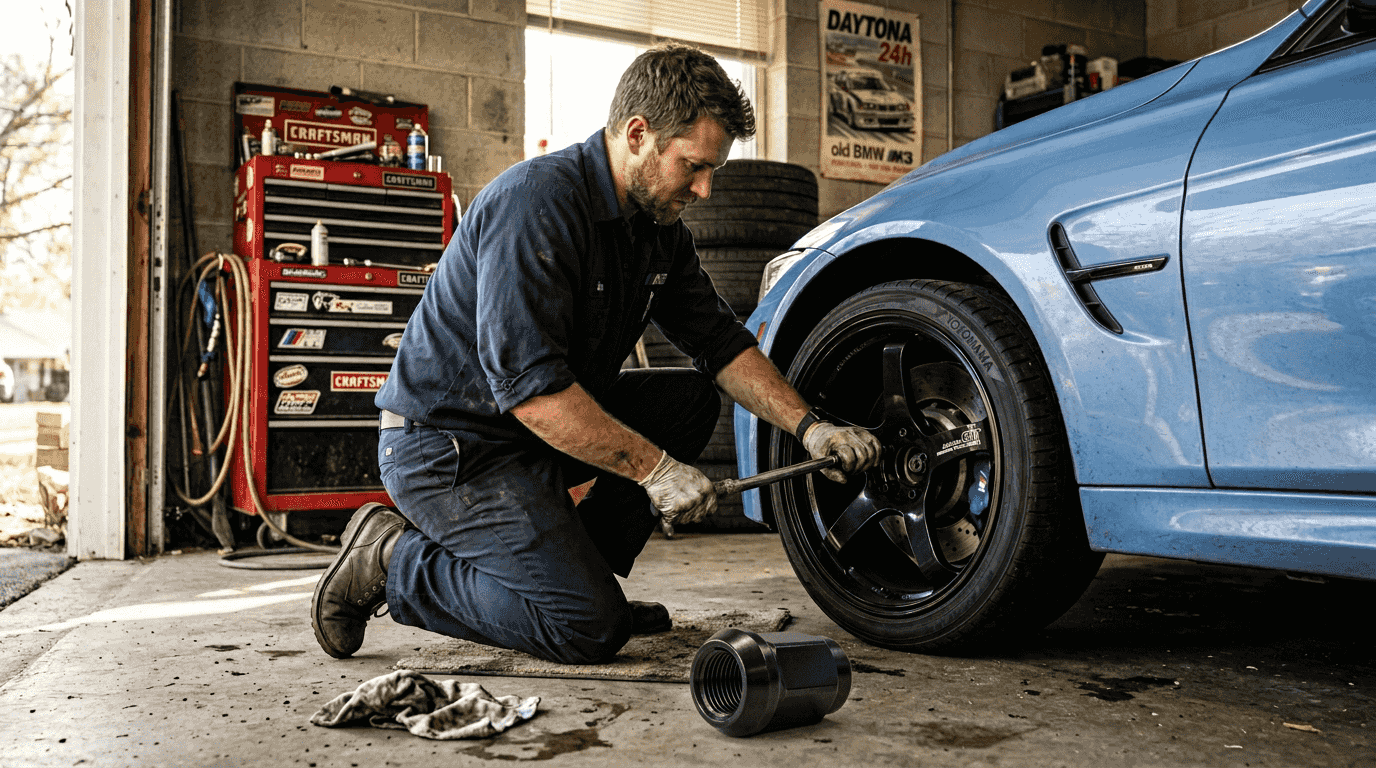
Upgrading to racing wheels can transform your car’s acceleration and handling in ways that surprise even experienced enthusiasts. Testing shows that swapping heavy factory wheels for lightweight racing wheels can improve 31 to 87 mph acceleration by over 0.3 seconds and shave up to 1.6 seconds off lap times. These performance gains come from reducing rotational inertia, allowing your engine’s power to translate more directly into forward motion. Beyond raw speed, racing wheels enhance steering precision, ride quality, and even fuel efficiency through lower unsprung weight. This guide explains why upgrading matters and how to choose genuine performance wheels that deliver measurable results on track and street.
Table of Contents
- How Lightweight Wheels Boost Your Car’s Performance
- The Advantages of Forged Racing Wheels Over Cast Wheels
- How Racing Wheels Affect Handling, Braking, And Ride Quality
- Distinguishing Genuine Racing Wheels From Style-Only Options
- Explore High Performance Forged Wheels At E6 Carbon
- Frequently Asked Questions About Upgrading To Racing Wheels
Key takeaways
| Point | Details |
|---|---|
| Lightweight wheels boost acceleration | Reducing rotational inertia improves acceleration times by over 0.3 seconds and lap times by up to 1.6 seconds. |
| Forged construction delivers strength | Forged racing wheels offer 30% greater tensile strength and 20 to 25% lower rotational mass than cast alternatives. |
| Unsprung weight affects handling | Lower unsprung weight enhances steering response, ride comfort, and suspension performance. |
| Quality construction ensures safety | Genuine racing wheels survive radial fatigue testing at 99.2% rates compared to 83.7% for cast wheels. |
| Wheel size impacts driving dynamics | Proper sizing balances braking distance, steering feel, and suspension geometry for optimal performance. |
How lightweight wheels boost your car’s performance
Rotational inertia governs how quickly a wheel accelerates when you apply power. Heavy wheels resist changes in rotational speed far more than static weight affects acceleration. This physics principle explains why lightweight wheels dramatically improve acceleration and handling response.
Real world testing proves the impact. A BMW M3 equipped with 20 pound wheels accelerated from 31 to 87 mph in 5.76 seconds. The same car with 52 pound factory wheels required 6.07 seconds for identical acceleration. That 0.31 second improvement translates directly to faster corner exits and better overtaking ability on track.
Lap time gains compound these advantages. The lighter setup completed track laps 1.6 seconds faster than heavy wheels, demonstrating how rotational mass affects continuous performance. These improvements exceed what you’d achieve by removing equivalent static weight from the chassis.
Braking distances show smaller differences because wheel weight affects deceleration less dramatically than acceleration. However, steering response improves noticeably because lighter wheels require less force to change direction. You’ll feel sharper turn in and more precise handling through technical sections.
Reducing unsprung weight delivers benefits beyond raw acceleration:
- Enhanced suspension response allows dampers to control wheel movement more effectively
- Improved ride quality as lighter wheels follow road contours more precisely
- Better fuel efficiency from reduced rotating mass requiring less energy
- Sharper steering feel with less effort needed to initiate direction changes
Pro Tip: Focus on wheel weight per corner rather than total vehicle weight reduction. A 10 pound per wheel savings delivers more performance impact than removing 40 pounds from the trunk.
The performance wheel upgrade guide 2026 explores additional optimization strategies. Understanding these principles helps you evaluate whether lighter wheels justify the investment for your specific performance goals. AeroDisc wheels represent one approach to combining aerodynamic efficiency with weight reduction for maximum track advantage.
The advantages of forged racing wheels over cast wheels
Manufacturing methods fundamentally determine wheel strength and performance characteristics. Forged wheels start as solid aluminum billets compressed under extreme pressure, creating homogeneous microstructure with directional grain flow. Cast wheels form from molten aluminum poured into molds, which can develop shrinkage cavities and porosity as the material cools.
These construction differences produce measurable performance gaps. Forged wheels deliver up to 30% greater tensile strength and 20 to 25% lower rotational mass compared to cast alternatives. The superior strength allows engineers to remove material strategically, reducing weight without compromising structural integrity.
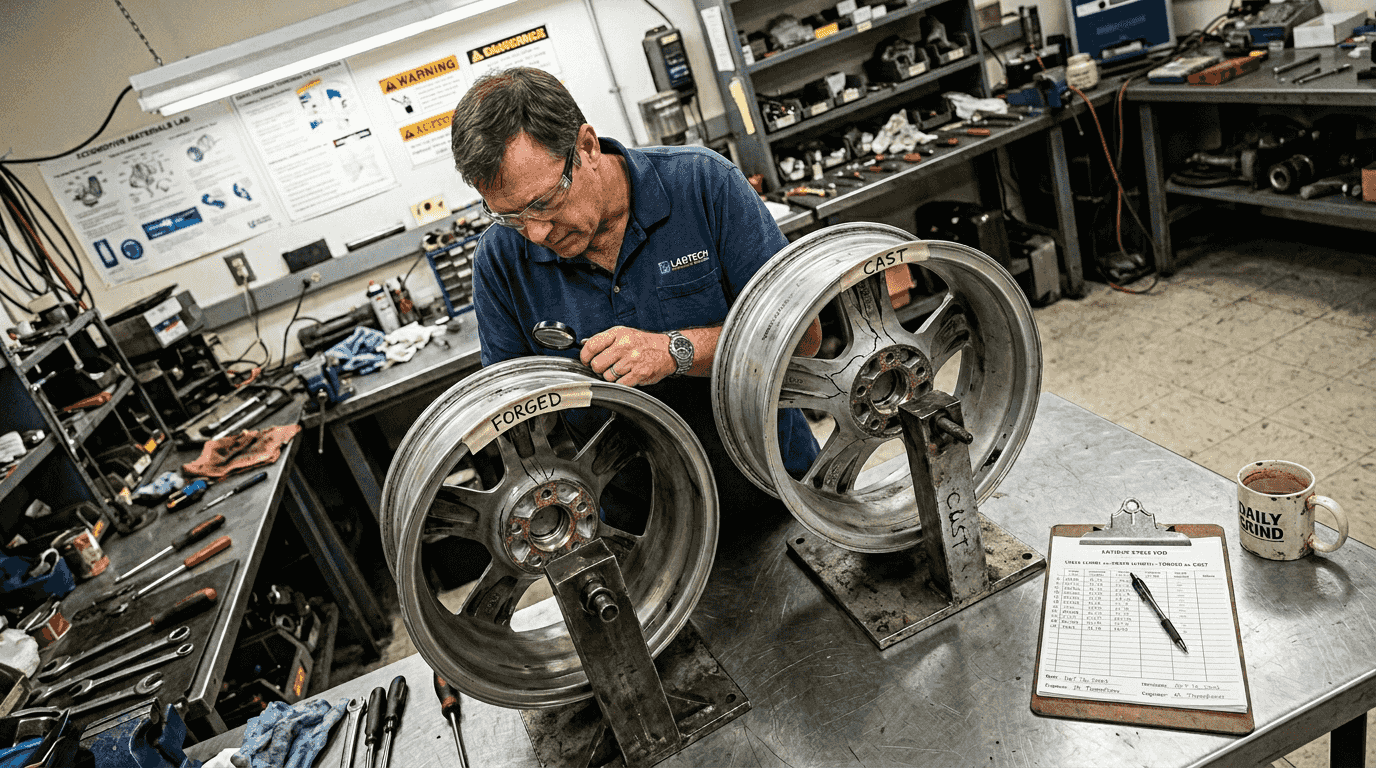
Fatigue resistance testing reveals dramatic durability advantages. Forged 15×7.0J wheels averaged 99.2% survival in radial fatigue testing, while cast wheels managed only 83.7% survival rates. This reliability matters for track use where wheels endure repeated high stress loading through corners and over curbing.
| Property | Forged Wheels | Cast Wheels |
|---|---|---|
| Tensile Strength | 30% higher | Baseline |
| Rotational Mass | 20 to 25% lighter | Baseline |
| Fatigue Survival Rate | 99.2% | 83.7% |
| Manufacturing | Billet compression | Molten pour |
| Grain Structure | Directional flow | Random orientation |
The weight savings amplify acceleration improvements discussed earlier. A complete set of forged wheels might weigh 60 pounds versus 80 pounds for cast equivalents. That 20 pound difference at the wheels produces disproportionate performance gains compared to chassis weight reduction.
Strength advantages enable more aggressive spoke designs that enhance brake cooling while maintaining structural requirements. Forged construction supports larger brake caliper clearances without adding material thickness that increases weight. These design freedoms translate to better thermal management during hard track sessions.
Pro Tip: Request certification documentation showing fatigue testing results before purchasing racing wheels. Reputable manufacturers provide SAE J2530 or similar testing data proving their wheels meet safety standards for your intended use.
Wheel customization options leverage forged construction’s strength to create bespoke fitments optimized for your specific vehicle. Regular safety inspections ensure forged wheels maintain their performance advantages throughout their service life.
How racing wheels affect handling, braking, and ride quality
Wheel selection influences every aspect of vehicle dynamics beyond straight line acceleration. Getting the right wheel size affects braking distance, steering precision, and suspension geometry in ways that transform driving character.
Unsprung weight reduction delivers the most noticeable improvements in daily driving. Reducing unsprung mass improves ride quality, fuel efficiency, and handling response simultaneously. Your suspension can control wheel movement more effectively when components weigh less, leading to better bump absorption and more consistent tire contact.
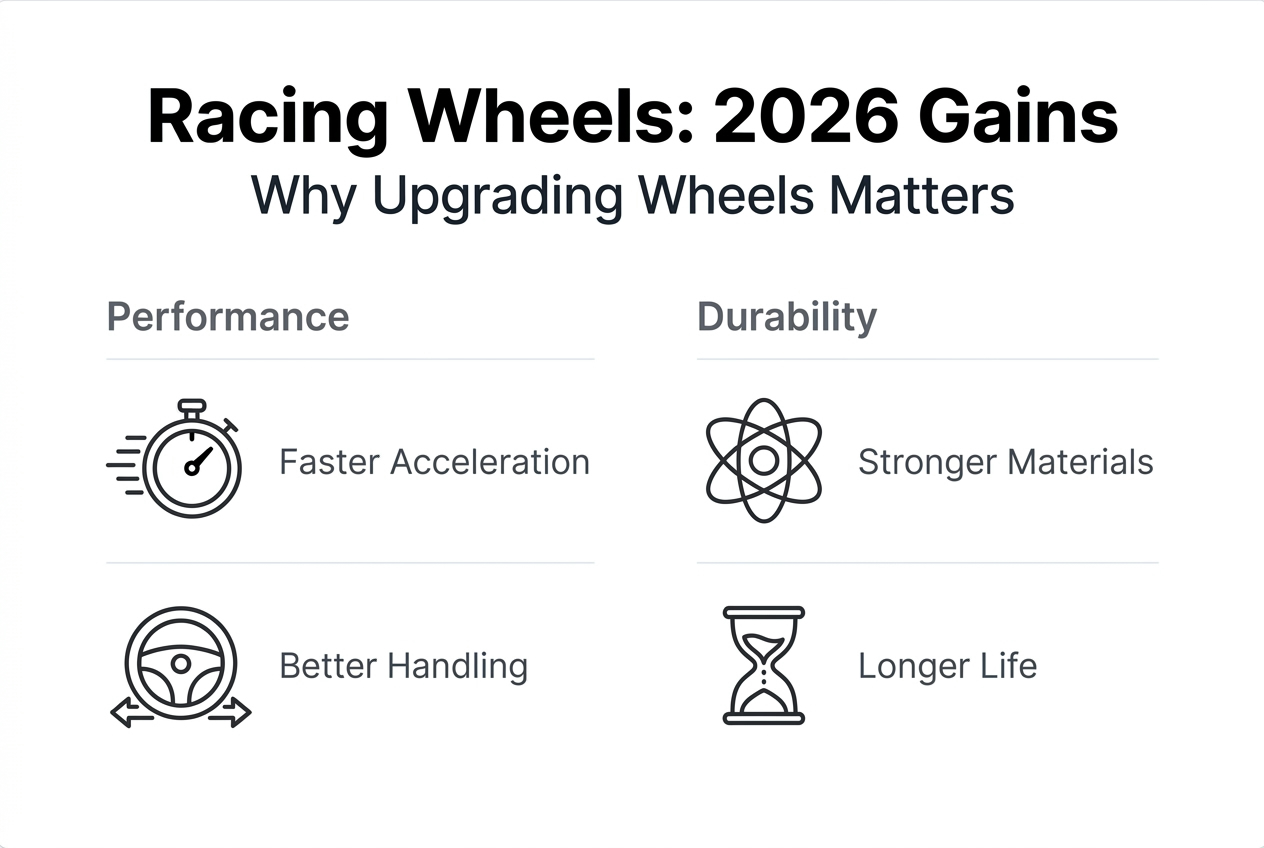
Steering feel sharpens immediately after installing lighter racing wheels. Less rotational inertia means steering inputs translate more directly into directional changes. You’ll notice reduced effort required to initiate turns and more precise feedback through the wheel during corner transitions.
Braking improvements prove more subtle than acceleration gains. While lighter wheels require less energy to decelerate, tire grip and brake system capacity dominate stopping distances. However, reduced rotating mass allows brake components to work more efficiently, potentially extending pad and rotor life during aggressive driving.
Key functional benefits include:
- Enhanced steering precision with immediate response to inputs
- Better suspension compliance over rough surfaces
- Improved tire contact patch consistency through corners
- More predictable handling at the limit
- Reduced drivetrain stress from lower rotating mass
Racing wheels engineered for extreme track conditions provide safety margins that benefit street driving. Components tested under sustained high loads at competition speeds handle daily driving stresses with substantial reserves. This overengineering translates to more predictable behavior when you encounter emergency situations.
Wheel width and offset selection affects suspension geometry and scrub radius. Wider wheels provide larger tire contact patches but can alter steering feel if offset isn’t optimized. Professional installation guidance ensures your wheel fitment maintains proper suspension alignment and handling balance.
Show car wheel approaches prioritize aesthetics differently than pure racing applications. Understanding these tradeoffs helps you select wheels that match your specific performance priorities and visual preferences.
Distinguishing genuine racing wheels from style-only options
Marketing claims about racing wheels often prioritize visual appeal over measurable performance advantages. Not all wheels marketed as racing prioritize strength or weight reduction, instead focusing mainly on aggressive styling that mimics competition hardware.
Identifying authentic performance wheels requires evaluating specific criteria:
- Manufacturing process documentation showing forging or flow forming methods
- Published weight specifications for your exact wheel size and offset
- Certification from SAE, TUV, or JWL testing organizations
- Track record of competition use in professional racing series
- Material specifications listing aluminum alloy composition
- Fatigue testing results demonstrating durability under repeated stress
Weight specifications reveal true performance intent. Genuine racing wheels weigh significantly less than factory equipment, typically 30 to 40% lighter for equivalent sizes. If advertised racing wheels weigh similarly to stock components, they likely emphasize appearance over function.
Certification standards verify structural integrity through standardized testing protocols. Look for wheels meeting SAE J2530 specifications for aluminum wheels or equivalent international standards. These certifications require manufacturers to prove their products survive simulated racing conditions including radial fatigue, impact, and cornering loads.
Pro Tip: Research manufacturer racing pedigree and request testing documentation before purchasing. Established brands supply certification copies and detailed specifications, while style focused products often lack verifiable performance data.
Construction quality affects long term durability and safety. Inspect spoke junctions and hub mounting surfaces for consistent finish quality indicating precision manufacturing. Poor casting flash, rough machining marks, or inconsistent spoke thickness suggest compromised structural integrity.
Brand reputation matters because wheel failure poses serious safety risks. Manufacturers with proven track records invest in engineering validation and quality control that cheaper alternatives skip. Track tested components from established racing suppliers justify premium pricing through verified performance and reliability.
Wheel customization benefits multiply when starting with genuine performance hardware. Understanding show car versus racing priorities helps you balance aesthetic preferences with functional requirements for your specific application.
Explore high performance forged wheels at E6 Carbon
You’ve learned how lightweight forged wheels transform acceleration, handling, and driving dynamics. E6 Carbon specializes in premium forged racing wheels engineered for enthusiasts who demand measurable performance improvements backed by rigorous testing and certification.

Our forged wheel lineup delivers the strength and weight advantages discussed throughout this guide. Each wheelset undergoes fatigue testing validation ensuring durability under track conditions while maintaining the precision fitment luxury and sports vehicles require. From monoblock designs to multi piece construction, we offer solutions matching your specific performance goals.
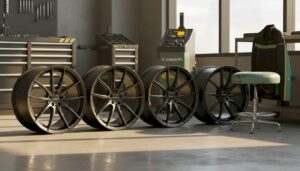
AR03 multipiece wheels exemplify our commitment to combining lightweight construction with customizable aesthetics. These wheels integrate the forging advantages and weight reduction principles that produce the acceleration and handling improvements you’ve read about here.
Comprehensive resources support confident upgrades. Our forged wheel safety inspection guide details maintenance procedures ensuring long term reliability, while the installation guide covers proper mounting techniques preserving performance advantages. Explore our catalog to find wheels that transform your vehicle’s capabilities.
Frequently asked questions about upgrading to racing wheels
How much performance improvement can I expect from upgrading to racing wheels?
Upgrading to lightweight racing wheels can reduce acceleration times by over 0.3 seconds and improve lap times by up to 1.6 seconds depending on weight difference. Real world testing shows BMW M3 with 20 pound wheels accelerated 31 to 87 mph in 5.76 seconds versus 6.07 seconds with 52 pound factory wheels. Benefits vary by vehicle weight, power output, and how much lighter your new wheels are compared to stock equipment.
Are forged wheels always better than cast wheels for my sports car?
Forged wheels deliver stronger tensile strength and higher fatigue resistance than cast alternatives, making them ideal for high performance applications. However, your specific needs matter. Track focused driving benefits most from forged construction’s durability and weight savings. Street driven sports cars gain performance advantages but may accept quality cast wheels depending on budget. Regular safety inspections ensure either type maintains structural integrity.
What wheel size is best for balancing aesthetics and performance?
Wheel size impacts braking, steering, and suspension geometry significantly, affecting overall driving dynamics. Larger diameters allow bigger brake fitment and create aggressive visual presence but can increase weight offsetting performance gains. Consult suspension specialists to match wheel diameter, width, and offset to your vehicle’s geometry and intended use. Proper fitment maintains handling balance while achieving your aesthetic goals.
How do racing wheels impact daily driving comfort and fuel efficiency?
Lightweight racing wheels reduce unsprung weight, which improves ride quality and fuel efficiency noticeably during everyday driving. Lower rotating mass requires less energy to accelerate and allows suspension to control wheel movement more effectively over bumps. You’ll experience smoother rides, sharper steering response, and potentially improved mileage. These benefits enhance daily usability beyond track performance advantages.
What should I check to ensure my racing wheels are safe and durable?
Verify certification from SAE, TUV, or JWL testing organizations proving structural integrity under racing conditions. Inspect for cracks, deformation, or finish damage regularly, especially after track use or impact. Request manufacturer testing documentation showing fatigue resistance and material specifications. Professional safety inspections identify potential issues before they compromise performance or safety. Proper maintenance and torque specifications extend wheel lifespan significantly.