
TL;DR:
- Vented fenders on the C8 Corvette manage high-pressure air in the wheel arches, reducing front-end lift at high speeds. Autoclave-cured 2×2 twill carbon fiber panels are lighter, stronger, and maintain their shape under track conditions, enhancing overall performance. Proper integration with other aero components and precise fitment are essential to maximize their aerodynamic benefits.
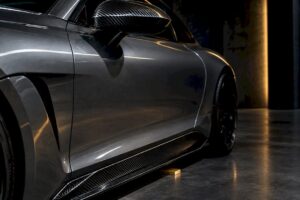
C8 Corvette vented fenders for high-pressure air extraction are autoclave-cured carbon fiber components engineered to actively vent trapped air from the front wheel arches, reducing front-end lift at triple-digit speeds. The C8 Z06 generates significant wheel well pressure during aggressive cornering and acceleration. Without a controlled exit path, that pressure builds against the fender liner and pushes the nose upward. Manufacturers like C7 Carbon and aFe Power have addressed this through functional louver designs built from 2×2 twill carbon fiber, a material that delivers the stiffness and heat resistance demanded by track environments. The ZTK aerodynamic package on ZR1 models demonstrates what targeted pressure management can achieve at the highest level.
How do vented fenders reduce front-end lift on the c8 corvette?
High-pressure air builds up in the front wheel wells during aggressive driving, creating aerodynamic lift that destabilizes the front axle above 100 mph. The rotating tire acts as a centrifugal pump, forcing air outward into the arch at a rate the sealed OEM fender cannot exhaust. That trapped volume converts directly into lift force.
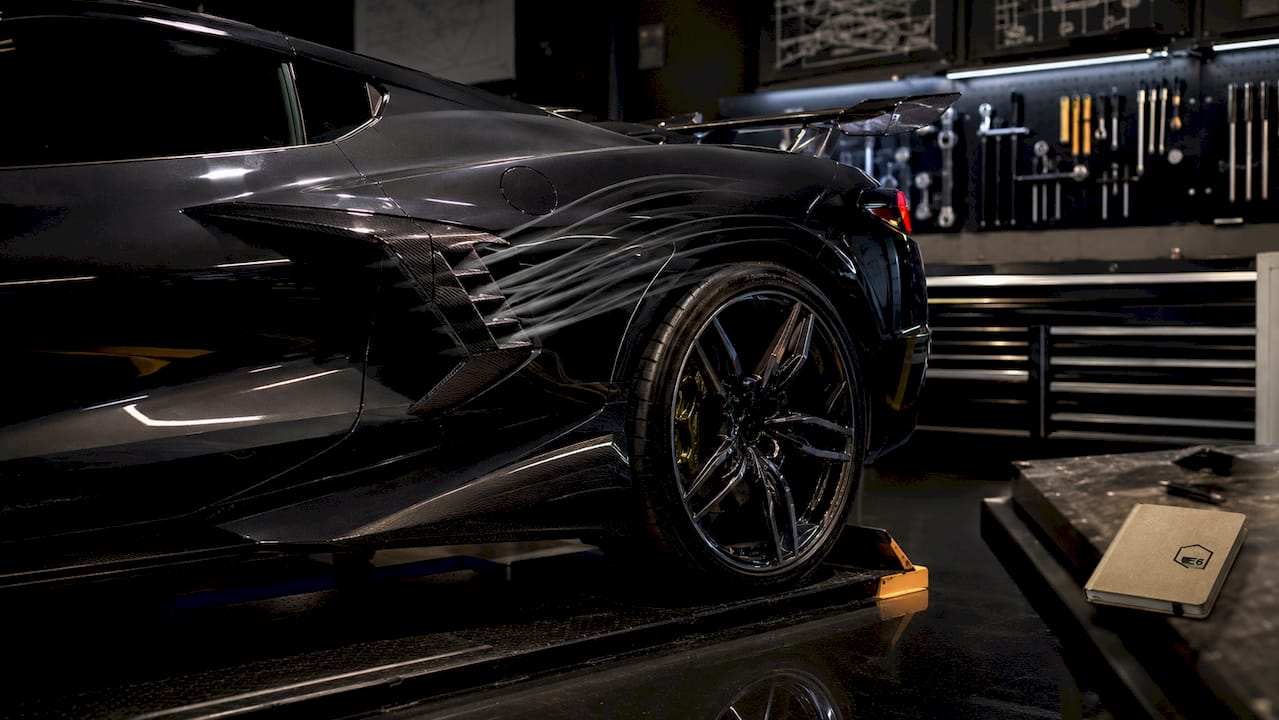
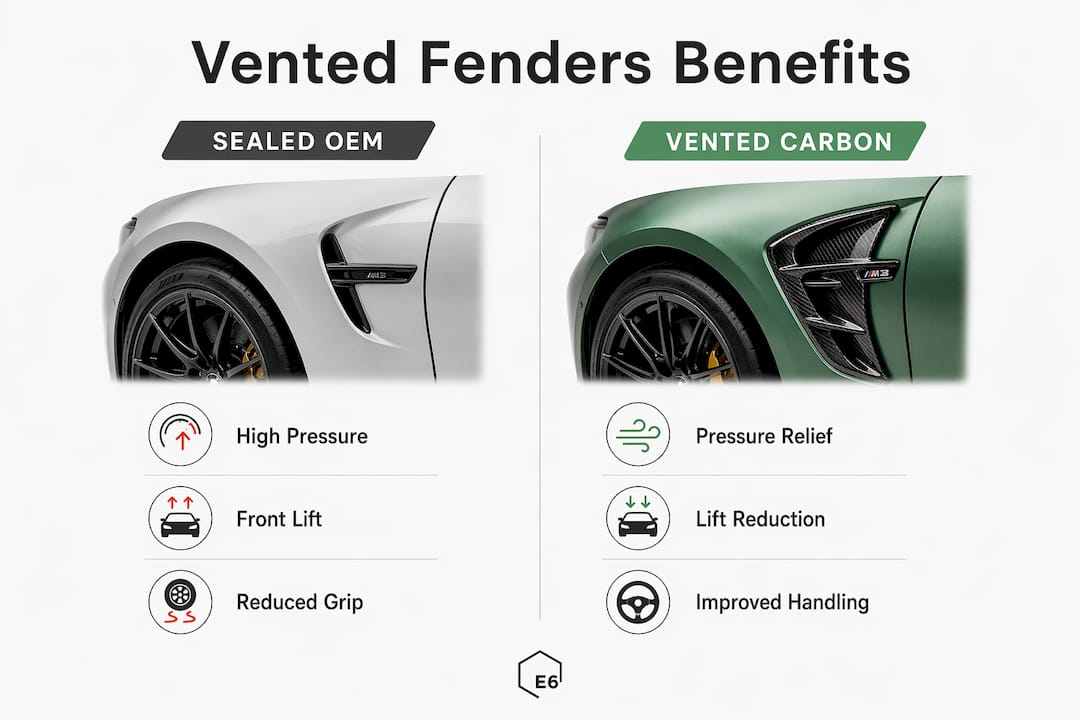
Vented fender louvers create a controlled outlet for this trapped air, relieving wheel well pressure and restoring front-end downforce. The louvers are angled to draw air from the high-pressure zone inside the arch and discharge it into the lower-pressure region above the fender surface. This flow-through principle is the same logic behind the S-duct on the ZR1, where front-end suction is engineered deliberately to generate downforce rather than lift.
The table below illustrates the functional difference between sealed and vented fender designs:
| Design | Wheel Well Pressure | Front-End Effect |
|---|---|---|
| Sealed OEM fender | High accumulation at speed | Increased front lift, reduced steering precision |
| Vented carbon fender | Controlled pressure exhaust | Reduced lift, improved front downforce balance |
Pro Tip: Match vent size and louver placement to the pressure zones identified through CFD or wind tunnel data for your specific build. Generic vent kits placed outside the peak-pressure zone deliver minimal aerodynamic benefit.
Why does autoclave-cured 2×2 twill carbon fiber matter for track fenders?
Autoclave curing produces a stronger, lighter, and more uniformly finished carbon fiber component than wet layup or standard thermoforming. The pressurized heat cycle consolidates the resin matrix fully, eliminating voids that would otherwise become stress fractures under track vibration and thermal cycling.
The 2×2 twill weave is the preferred architecture for structural body panels. Each fiber bundle crosses two warps before passing under two, creating an interlocked lattice that distributes load in multiple directions simultaneously. This gives the fender louver both the stiffness to hold its aerodynamic geometry at speed and enough flex to absorb road debris impact without delaminating.
Unsprung weight reduction is a direct performance benefit of carbon fiber fenders. Replacing OEM plastic or fiberglass panels with autoclave-cured carbon reduces the mass that the suspension must control over every bump and corner transition. That reduction sharpens steering response and allows the dampers to work within their optimal range.
| Property | OEM Plastic / Fiberglass | Autoclave-Cured 2×2 Twill Carbon Fiber |
|---|---|---|
| Weight | Baseline | 40–60% lighter |
| Tensile strength | Moderate | Significantly higher |
| Heat resistance | Limited | High, suitable for engine bay proximity |
| Surface finish | Paint-ready | Exposed weave or paint-ready |
| Structural consistency | Variable | Uniform, void-free matrix |
Pro Tip: Inspect the back face of any carbon fender panel before purchase. A uniform, resin-rich surface with no dry fiber patches confirms proper autoclave consolidation. Dry spots indicate incomplete cure and reduced structural integrity.
How do vented fenders integrate with the c8 z06 aero system?
The C8 Z06 is a mid-engine platform, and that layout changes the aerodynamic calculus entirely. Aftermarket fender and hood modifications must preserve the low-pressure zones created by the factory flow-through systems to maintain front-to-rear balance. Adding vents without understanding the existing pressure map can disrupt the S-duct’s suction effect and reduce total downforce.
Effective C8 Corvette airflow optimization treats the front fender louvers as one node in a connected system. The components that work synergistically with vented fenders include:
- Carbon front lip: Redirects incoming air under the car and reduces the volume entering the wheel arch, lowering peak pressure before the vent must exhaust it.
- Competition hood vents: Extract heat from the engine bay located behind the cabin, reducing thermal load on the intake charge.
- Carbon canards: Generate localized low-pressure zones at the front corners, assisting fender vent discharge by pulling air across the fender surface.
- Rear diffuser: Balances rear downforce to match the front gains from vented fenders, preventing oversteer instability at high speed.
- Side skirts: Seal the underbody airflow channel, preventing high-pressure air from escaping laterally and undermining diffuser efficiency.
Factory intakes and ducts prioritize noise suppression and mass production tolerances, creating flow restrictions that compound the heat soak problem. Pairing vented fenders with an upgraded cold air intake from aFe Power addresses both the pressure and thermal sides of the equation simultaneously. High-flow carbon fiber intake systems reduce heat soak and pressure drop in the mid-engine bay, complementing the cooling benefit delivered by functional fender louvers.
What are the real-world track benefits of installing vented fenders?
Installation of vented fenders on the C8 Z06 requires precision fitment above all else. Precision CAD and 3D scanning allow aftermarket carbon panels to achieve OEM-level alignment without compromising panel gaps or structural mounting points. A fender that flexes or vibrates at speed creates aerodynamic noise and can fatigue its mounting hardware within a single track session.
The installation process for track-grade vented fenders follows a clear sequence:
- Remove the OEM fender liner and panel to expose the mounting structure and measure the factory pressure zone geometry.
- Dry-fit the carbon fender before final installation to verify panel gap alignment with the hood, door, and bumper cover.
- Confirm louver orientation against your CFD data or manufacturer-specified pressure zone mapping.
- Apply paint protection film to the leading edge of the vent opening to prevent stone chip damage to the exposed carbon weave.
- Torque all fasteners to specification and recheck panel alignment after the first heat cycle on track.
Track tests confirm that vented fenders reduce aerodynamic lift noticeably, with drivers reporting improved steering feedback and stability above 100 mph. The subjective improvement in front-end confidence translates directly to earlier turn-in and higher corner entry speeds. The ZTK package on ZR1 models generates up to 1,200 lbs of downforce at V-Max through this exact philosophy of targeted pressure management. Vented fenders are the accessible entry point to that same engineering logic for Z06 owners.
A common mistake is treating vented fenders as a cosmetic upgrade and skipping the suspension recalibration that weight reduction requires. Removing mass from the front corners changes the corner frequency of the front suspension. A damper tune that worked with OEM plastic panels will be slightly over-damped with carbon replacements, and that difference is measurable in lap time data.
Pro Tip: After installing carbon fenders, log a baseline lap with your data acquisition system before adjusting suspension settings. The weight delta is small but measurable, and a targeted damper adjustment will recover any compliance lost in the transition.
Key takeaways
Vented carbon fenders are the most direct mechanical solution for reducing front-end lift on the C8 Z06 at track speeds, and their benefit compounds when integrated with a complete aero system.
| Point | Details |
|---|---|
| Pressure extraction reduces lift | Louver vents exhaust wheel well pressure that would otherwise push the front end upward above 100 mph. |
| Autoclave carbon outperforms OEM materials | 2×2 twill autoclave-cured panels are 40–60% lighter than OEM plastic with superior heat and impact resistance. |
| System integration is required | Vented fenders work best paired with a front lip, hood vents, canards, and a rear diffuser for balanced downforce. |
| Fitment precision is non-negotiable | CAD-based OEM-level fitment prevents panel flex, aerodynamic noise, and fastener fatigue during track sessions. |
| Suspension recalibration follows installation | Unsprung weight reduction from carbon fenders requires a damper tune to fully realize the handling improvement. |
The aero upgrade most z06 owners underestimate
From our engineering work on the C8 platform, vented fenders are consistently the most underestimated modification in a staged track build. Owners invest in wings, diffusers, and front lips first because those components are visually dramatic. The fender louvers look subtle. Their effect is not.
The front wheel well is the single largest unmanaged pressure volume on a sealed-fender C8. Every other aero component you add is working against that trapped air. A carbon wing adds rear downforce. Vented fenders remove a force that was actively fighting your front grip. Those are not equivalent contributions, but the fender vent delivers its benefit at every speed above 80 mph, not just at the top of the straight.
Material quality is where we see the most variance in the market. Wet-laid fiberglass vents with a carbon-look film are not functional aerodynamic components. They are cosmetic parts wearing engineering language. Autoclave-cured 2×2 twill holds its geometry under heat and vibration. A wet-laid part distorts. On a track car, distortion means the vent geometry you paid for no longer exists after the second session.
Build your aero package in the right order: front pressure management first, then rear downforce balance, then fine-tune with canards and dive planes. The fenders are not the last step. They are the foundation.
— E6 Engineering
Upgrade your c8 z06 with precision carbon aero components
E6 Carbon engineers every carbon fiber component for the C8 Corvette platform with OEM-level fitment as the baseline requirement, not an aspiration. The catalog covers the full front-end aero system, from vented fender louvers and competition hoods to front lips and rear diffusers, all manufactured from autoclave-cured 2×2 twill carbon fiber.

If you are building a track-focused Z06 and want components that hold their geometry session after session, E6 Carbon’s fitment-first approach ensures every panel aligns to factory tolerances. Pair your aero build with the performance wheel upgrade guide to understand how unsprung weight reduction across both fenders and wheels compounds into measurable lap time gains. Visit e6carbon.com to explore the full C8 catalog.
FAQ
What do vented fenders actually do on a c8 corvette?
Vented fenders extract high-pressure air trapped in the front wheel arches, reducing front-end lift and improving steering precision above 100 mph. The louvers create a controlled exit path that converts a destabilizing pressure buildup into a managed airflow event.
Are autoclave-cured carbon fenders worth the cost over fiberglass?
Autoclave-cured 2×2 twill carbon fiber is 40–60% lighter than OEM plastic or fiberglass and maintains its structural geometry under track heat and vibration. Wet-laid fiberglass alternatives distort under thermal cycling, eliminating the aerodynamic benefit you paid for.
Do vented fenders require other aero modifications to work?
Vented fenders deliver measurable lift reduction as a standalone upgrade, but their full benefit requires integration with a front lip, hood vents, and a rear diffuser to maintain balanced front-to-rear downforce. Installing vents without managing the broader pressure map can disrupt the factory S-duct flow on ZTK-equipped cars.
Will carbon fenders affect my suspension setup?
Yes. Replacing OEM plastic fenders with carbon panels reduces unsprung weight at the front corners, which changes the suspension’s corner frequency. A targeted damper adjustment after installation recovers the compliance and sharpens the handling improvement.
How do i verify proper fitment before final installation?
Dry-fit the carbon fender panel before committing to final torque, checking panel gaps against the hood, door, and bumper cover. Manufacturers using precision CAD and 3D scanning data deliver OEM-level alignment that eliminates the need for gap correction during installation.