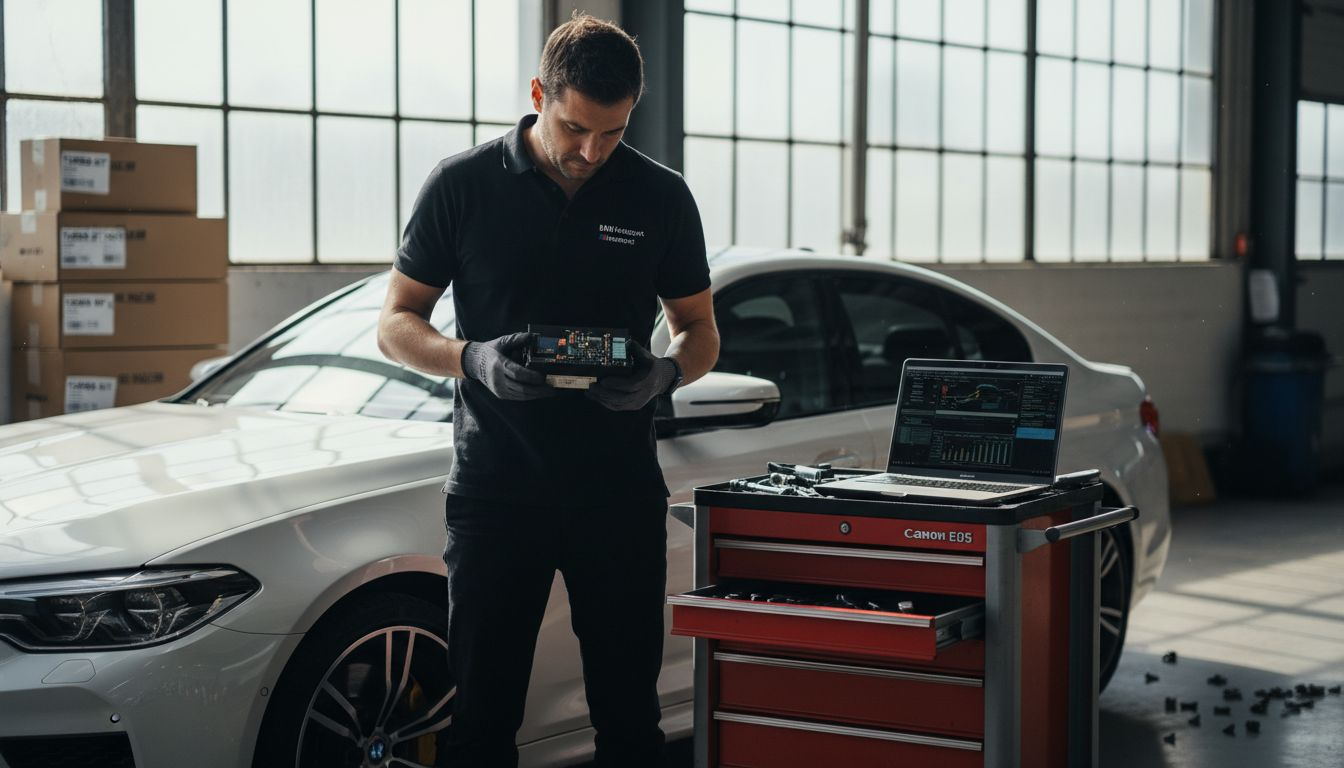
Selecting the right performance parts for your BMW, Ferrari, or Lamborghini requires balancing power gains with reliability and aesthetics. The luxury car aftermarket offers countless upgrades, but not all deliver on their promises without compromising your vehicle’s sophisticated factory systems. Understanding which parts provide genuine performance improvements while maintaining the engineering integrity your luxury car deserves separates smart enthusiasts from those chasing empty horsepower numbers. This guide breaks down the proven upgrade paths for 2026, focusing on ECU tuning, exhaust systems, and complementary hardware that transform your driving experience without sacrificing the refinement you expect from a premium vehicle.
Table of Contents
- Criteria For Choosing Performance Parts For Luxury Cars
- Top Performance Parts For BMW Luxury Cars
- Performance Parts Spotlight: Ferrari’s Cutting-Edge Technology
- Lamborghini Performance Upgrades: ECU Tuning And Exhaust Systems
- Comparing Top Performance Parts For BMW, Ferrari, And Lamborghini
- Explore Premium Forged Wheels And Carbon Fiber Upgrades At E6 Carbon
- Frequently Asked Questions
Key takeaways
| Point | Details |
|---|---|
| ECU tuning delivers maximum initial gains | Software upgrades unlock up to 25% more torque in BMWs while maintaining factory safety margins and drivability |
| Ferrari’s hybrid technology sets new benchmarks | The F80’s twin turbochargers spinning at 130,000 rpm with 3.7 bar boost represent the highest production car specifications ever |
| Lamborghini benefits from integrated upgrades | VF Engineering ECU software combined with Novitec exhaust systems creates a balanced performance ecosystem |
| Compatibility prevents expensive failures | Parts must integrate seamlessly with factory electronics to avoid triggering limp modes or damaging sensitive components |
| Reliability requires proactive maintenance | Regular inspections and preemptive bearing replacements protect your investment during performance upgrades |
Criteria for choosing performance parts for luxury cars
Evaluating performance parts requires a systematic framework that goes beyond advertised horsepower numbers. The most critical criteria include tuning compatibility with your specific vehicle’s electronic architecture, measurable power increases across the rev range, adequate safety margins to protect engine internals, and seamless integration with factory control systems. BMW DMEs tightly manage fuel, ignition, torque limits, boost control, and throttle strategy, making compatibility essential for unlocking performance without triggering fault codes.
Reliability stands as the foundation of any successful upgrade path. Parts must complement existing vehicle electronics and mechanical systems rather than fighting against them. A poorly matched turbo upgrade might produce impressive dyno numbers but create heat and stress that your cooling system cannot handle. Similarly, aggressive ECU tuning without supporting fuel system upgrades leads to lean conditions that destroy engines. Novitec exhaust systems work seamlessly with factory ECU and valve control logic, exemplifying how premium parts enhance performance while respecting factory engineering.
Performance parts often enhance aesthetics and driving feel alongside raw power gains. The best upgrades transform throttle response, exhaust note, and visual presence while maintaining the refinement that defines luxury vehicles. Carbon fiber components reduce weight while adding aggressive styling. Forged wheels improve handling dynamics through reduced unsprung mass. These aesthetic and tactile improvements matter as much as dyno sheets for enthusiasts who demand complete packages.
Pro Tip: Prioritize parts designed to work within factory ECU limits to avoid risking engine reliability and expensive repairs down the road.
Top performance parts for BMW luxury cars
ECU tuning represents the single most effective first step for BMW performance enthusiasts. Modern software unlocks up to 25% more torque and dramatically sharper throttle response by optimizing fuel maps, ignition timing, boost pressure, and torque limiters. The beauty of quality ECU tuning lies in its ability to extract power hiding within your engine’s existing hardware while maintaining factory safety protocols. Stage 1 tunes typically require no supporting modifications and preserve warranty-friendly parameters that protect your investment.
Complementary hardware upgrades create a balanced performance ecosystem around your tuned ECU. High-flow intakes reduce restriction and lower intake temperatures. Catless or high-flow downpipes eliminate exhaust bottlenecks. Upgraded intercoolers maintain consistent power under sustained loads. Larger turbos push the performance ceiling higher for serious builds. Suspension upgrades help put that power to the ground effectively. Brake improvements ensure you can scrub speed as quickly as you build it.
| Upgrade Type | Typical Power Gain | Torque Gain | Key Benefit |
|---|---|---|---|
| Stage 1 ECU Tune | 15-20% | 20-25% | Immediate response improvement |
| Downpipe | 8-12% | 10-15% | Reduced backpressure |
| Intake System | 3-5% | 2-4% | Lower intake temps |
| Intercooler | 0-2% | 0-2% | Sustained performance |
| Turbo Upgrade | 30-50% | 35-55% | Maximum power ceiling |
Rod bearing failure represents a serious concern in the F80 M3’s S55 engine and similar BMW powerplants. Proactive bearing upgrades during your performance build prevent catastrophic failures that destroy entire engines. High-quality synthetic oils with proper viscosity ratings help mitigate stress on these critical components. Regular forged wheels safety inspections complement your powertrain upgrades by ensuring your chassis components handle increased performance safely.
Pro Tip: Always inspect and proactively replace stressed rod bearings during engine upgrades for BMW M models to prevent expensive catastrophic failures.
Performance parts spotlight: Ferrari’s cutting-edge technology
Ferrari’s 2026 F80 showcases bleeding-edge performance technology that redefines production car capabilities. The twin turbochargers operate at 130,000 rpm with 3.7 bar boost pressure, representing the highest specifications ever deployed in a production vehicle. These 48-volt electric turbochargers eliminate lag while delivering unprecedented power density from a compact six-cylinder architecture. The engineering achievement becomes clear when examining the numbers: traditional turbos spin at 60,000 to 80,000 rpm, making Ferrari’s units more than 60% faster.
The smaller six-cylinder engine produces 888 hp, translating to 296 hp per liter of displacement. This power density rivals Formula 1 engines while maintaining street drivability and emissions compliance. In-house electric motors contribute an additional 296 hp, pushing total system output to 1,184 hp for the hybrid powertrain. This combination of forced induction efficiency and electric boost creates a performance envelope that seemed impossible just five years ago.
“The F80 deploys all its tech with dogged devotion to making the car fun to drive.”
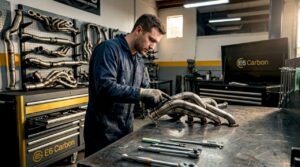
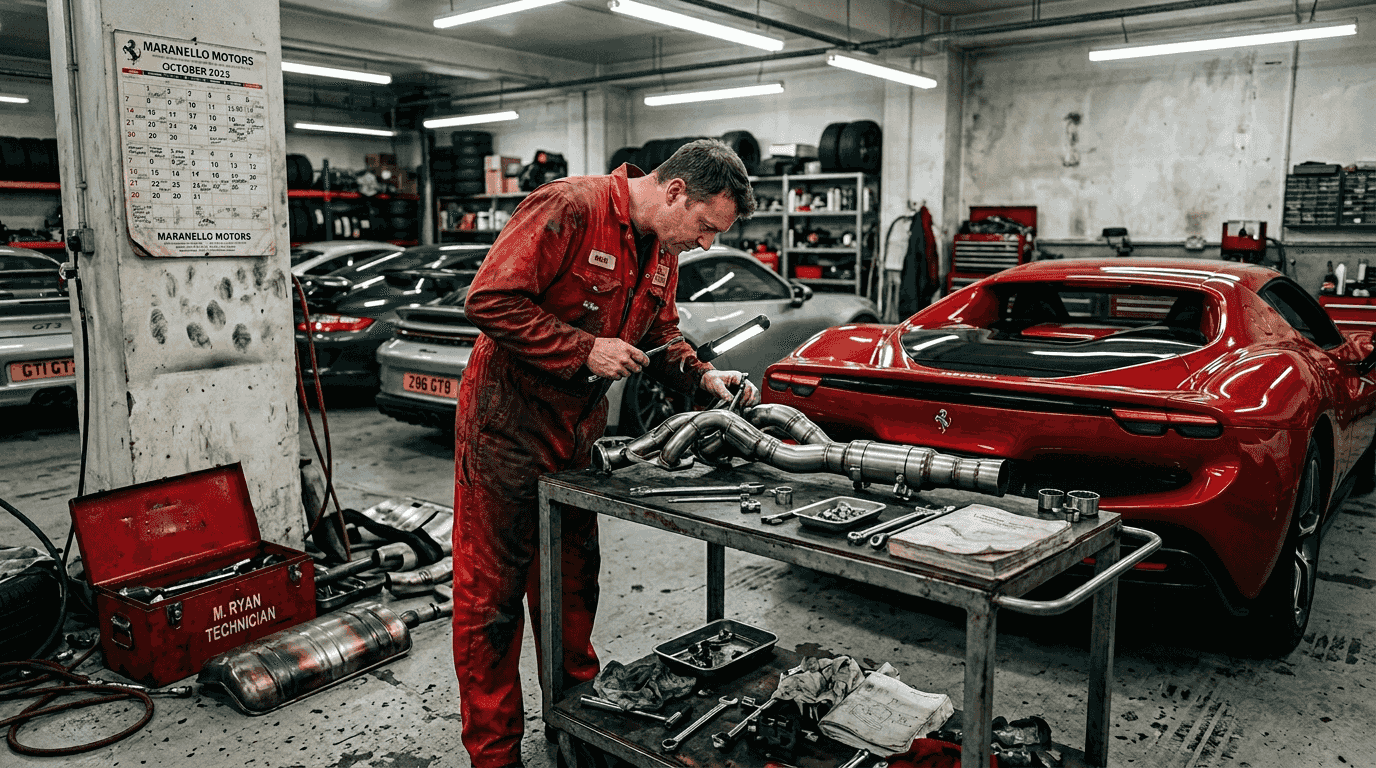
Performance exhaust systems for Ferrari applications demand materials that withstand extreme temperatures while minimizing weight. Novitec’s flagship systems utilize ultra-lightweight INCONEL alloy, the same material used in Formula 1 and aerospace applications. This exotic metal resists heat-induced degradation at temperatures exceeding 1,800 degrees Fahrenheit while weighing significantly less than stainless steel alternatives. The engineering pays dividends through reduced backpressure, improved scavenging efficiency, and the unmistakable Ferrari exhaust note that enthusiasts crave.
Pro Tip: Look for exhaust upgrades designed to integrate with factory ECU and valve control systems for optimal performance without triggering fault codes.
Lamborghini performance upgrades: ECU tuning and exhaust systems
VF Engineering dominates the Lamborghini ECU tuning market with software that respects factory engineering while extracting hidden performance. Their Stage 1 software increases Huracan STO horsepower to 645 from the stock 631 hp, while torque climbs to 455 from 443 lb-ft. These gains might seem modest compared to forced induction BMW upgrades, but they represent significant achievements in naturally aspirated V10 engines already operating near their physical limits. The real transformation comes through improved throttle response and drivability across the entire rev range.
Novitec exhaust systems create a complete performance ecosystem when combined with ECU software. Reduced backpressure improves scavenging efficiency, helping the engine breathe more freely at high RPM. The systems integrate seamlessly with factory valve controls, allowing you to switch between civilized cruising and full-throated aggression. Premium materials ensure longevity under the extreme heat cycles that Lamborghini V10 and V12 engines generate during spirited driving.
| Configuration | Horsepower | Torque | Key Upgrade |
|---|---|---|---|
| Stock Huracan STO | 631 hp | 443 lb-ft | Factory baseline |
| VF Stage 1 ECU | 645 hp | 455 lb-ft | Software optimization |
| ECU + Exhaust | 660+ hp | 465+ lb-ft | Complete system |
| ECU + Exhaust + Intake | 675+ hp | 475+ lb-ft | Maximum naturally aspirated |
Key benefits of integrated Lamborghini upgrades include:
- Increased power delivery across the entire rev range, not just peak numbers
- Enhanced exhaust note that emphasizes the V10’s unique character
- Maintained ECU integration preventing fault codes and limp modes
- Improved aesthetics through carbon fiber components like interior packages and VS style wings
- Weight reduction from premium materials and optimized designs
The Urus presents unique opportunities for forced induction tuning given its twin-turbo V8 architecture. Downpipe upgrades eliminate restrictive catalytic converters, unlocking substantial power gains when paired with appropriate ECU calibration. The turbocharged platform responds dramatically to exhaust flow improvements, often gaining 80 to 100 hp from downpipes and tuning alone.
Pro Tip: Combine ECU tuning with complementary components like downpipes and carbon fiber aerodynamic elements for maximum performance and visual impact.
Comparing top performance parts for BMW, Ferrari, and Lamborghini
Understanding how upgrade categories perform across different luxury brands helps you make informed decisions based on your specific vehicle and goals. BMW’s turbocharged engines respond dramatically to ECU tuning, often delivering the best power-per-dollar ratio in the luxury segment. Ferrari’s naturally aspirated and hybrid platforms require more sophisticated approaches, with exhaust and intake optimization playing crucial roles. Lamborghini’s naturally aspirated V10 engines benefit from balanced upgrades that improve breathing and engine management simultaneously.
| Brand | Best First Upgrade | Typical Gain | Reliability Consideration | Integration Challenge |
|---|---|---|---|---|
| BMW | ECU Tuning | 20-25% torque | Rod bearing inspection | DME compatibility |
| Ferrari | Exhaust System | 15-20 hp | Extreme heat management | Hybrid system complexity |
| Lamborghini | ECU + Exhaust | 30-40 hp combined | High RPM stress | Valve control integration |
The synergy between tuning and hardware upgrades creates performance greater than the sum of individual parts. A BMW with only ECU tuning might gain 60 hp, but adding a downpipe and intercooler can push total gains past 100 hp while improving reliability through better thermal management. Ferrari owners see similar benefits when pairing exhaust upgrades with intake optimization and ECU calibration. The key lies in understanding how each component supports the others within your vehicle’s specific architecture.
Reliability considerations vary significantly by platform. BMW M models require vigilant monitoring of rod bearings, particularly when increasing power output. Ferrari’s complex hybrid systems demand careful integration to avoid conflicts between electric and combustion power delivery. Lamborghini’s high-revving naturally aspirated engines need supporting upgrades like oil coolers and upgraded bearings to handle sustained high-RPM operation safely.
Choosing parts that suit your car’s specific engineering philosophy and your performance goals ensures satisfaction and longevity. Turbocharged platforms offer easy power gains but require supporting modifications as output increases. Naturally aspirated engines reward comprehensive approaches that improve breathing throughout the system. Hybrid platforms demand respect for the intricate interplay between electric motors, batteries, and combustion engines.
Explore premium forged wheels and carbon fiber upgrades at E6 Carbon
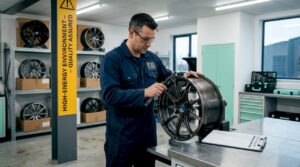
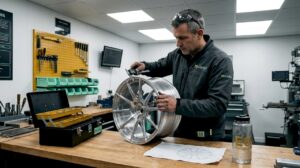
Transforming your luxury car’s performance and aesthetics requires components engineered to the same exacting standards as your vehicle. E6 Carbon delivers industry-leading forged wheels specifically designed for the demanding requirements of BMW, Ferrari, and Lamborghini applications. Our monoblock and multipiece designs reduce unsprung weight while providing the strength necessary for high-performance driving.
Explore detailed safety inspection guides and installation procedures that empower you to customize your vehicle with confidence. Our AR03 multipiece wheels combine lightweight forged construction with exclusive styling that complements your performance upgrades. Each wheelset undergoes rigorous quality control to ensure it meets the demands of both street and track applications, providing the perfect foundation for your upgraded braking and suspension components.
Frequently asked questions
What performance parts deliver the best gains for luxury cars?
ECU tuning consistently provides the strongest initial performance improvement across all luxury brands, particularly for turbocharged BMWs where gains of 20 to 25% are common. High-quality exhaust systems rank second, offering measurable power increases alongside enhanced sound and reduced weight.
How important is compatibility with factory systems?
Compatibility represents the difference between successful upgrades and expensive failures. Parts must integrate seamlessly with factory electronic controls to avoid triggering limp modes, fault codes, or warranty issues that cost thousands to resolve.
Do naturally aspirated engines benefit from ECU tuning?
Naturally aspirated engines like Lamborghini’s V10 see smaller peak power gains from tuning alone, typically 2 to 3%, but experience significant improvements in throttle response and power delivery characteristics. Combined with exhaust and intake upgrades, total gains reach 5 to 7%.
What maintenance becomes critical after performance upgrades?
Regular oil changes with high-quality synthetic lubricants, proactive rod bearing inspections for BMW M models, and monitoring of intake and coolant temperatures prevent failures. Performance upgrades increase stress on components, making preventive maintenance essential rather than optional.
How do I choose between brands for exhaust systems?
Prioritize manufacturers with proven track records on your specific vehicle platform, like Novitec for Ferrari and Lamborghini or established BMW specialists. Quality materials like INCONEL alloy, proper fitment, and integration with factory valve controls separate premium systems from budget alternatives.
Can I combine upgrades from different manufacturers?
Yes, but ensure each component works harmoniously within the complete system. An ECU tune from one company, exhaust from another, and intake from a third can deliver excellent results if each respects factory parameters and you verify compatibility before installation.