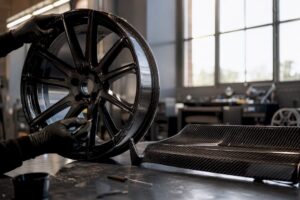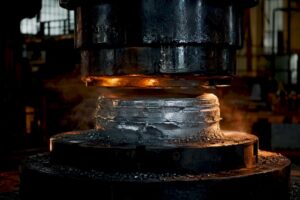
You’ve probably heard carbon fiber wheels are the ultimate lightweight upgrade, but here’s a surprise: forged magnesium wheels can actually weigh less. Despite this, carbon fiber wheels remain a top choice for high-performance enthusiasts in 2026 because reducing unsprung mass dramatically improves handling, acceleration, and braking. Whether you’re building a track weapon or upgrading an EV for better energy recovery, understanding the real benefits and trade-offs of carbon fiber wheels versus alternatives helps you make smarter decisions. This guide explores performance gains, material comparisons, common myths, and who truly benefits from carbon fiber wheels.
Table of Contents
- How Carbon Fiber Wheels Improve Vehicle Performance
- Comparing Carbon Fiber Wheels To Forged Magnesium Wheels: Weight And Strength Trade-Offs
- Addressing Common Myths And Practical Considerations For Carbon Fiber Wheels
- Real-World Impact: How Carbon Fiber Wheels Elevate Vehicle Aesthetics And Handling
- Explore High-Performance Forged Wheels And Carbon Upgrades At E6 Carbon
Key takeaways
| Point | Details |
|---|---|
| Unsprung mass reduction | Carbon fiber wheels reduce unsprung mass by up to 50%, enhancing handling and acceleration significantly. |
| Weight comparison | Forged magnesium wheels can be lighter and stronger in bending than carbon fiber alternatives. |
| Performance impact | Weight savings from carbon fiber wheels can reduce lap times by 1 to 1.5 seconds on a two-minute track lap. |
| Durability considerations | Repairability and longevity depend on brand quality; many myths about carbon fiber limitations are outdated. |
| Best applications | Carbon fiber wheels benefit high-performance vehicles and EVs more than typical daily drivers. |
How carbon fiber wheels improve vehicle performance
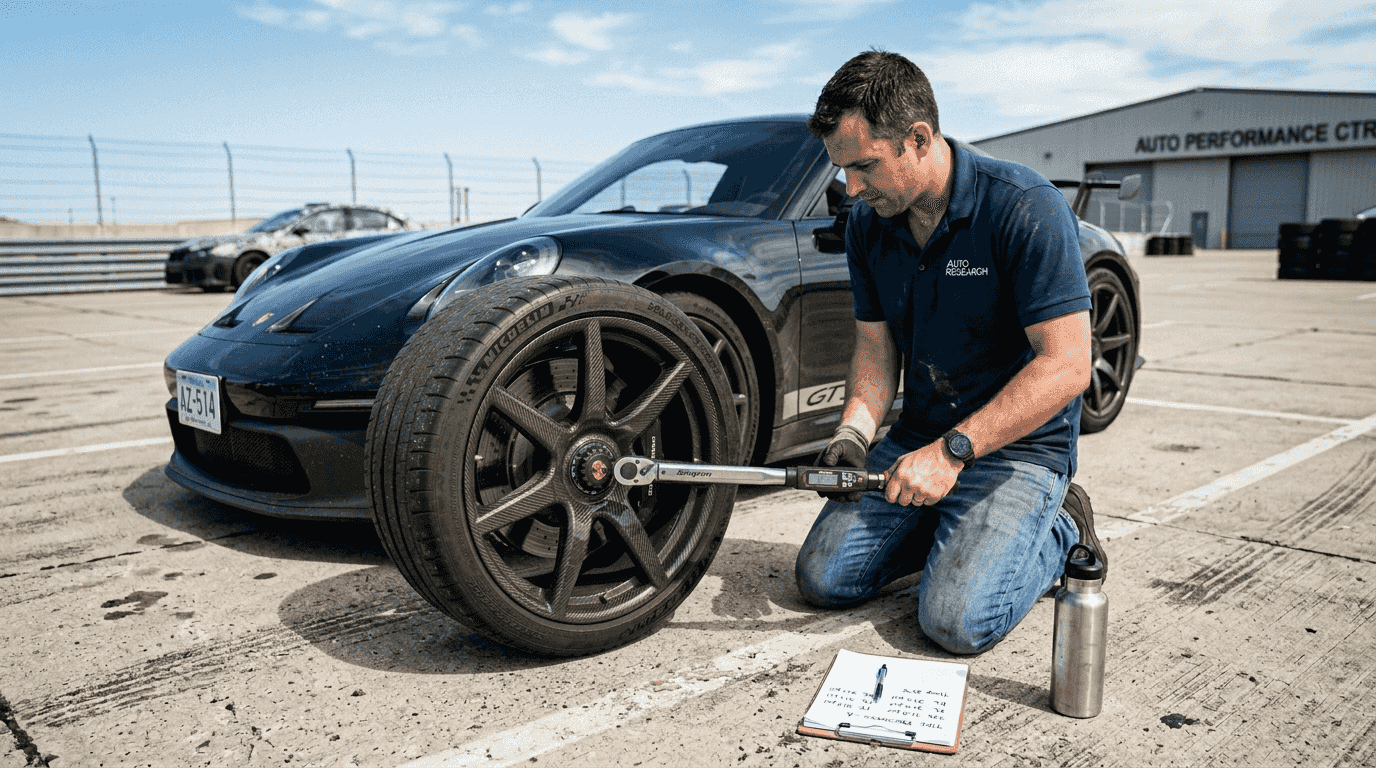
Unsprung mass refers to the weight of components not supported by your vehicle’s suspension, including wheels, tires, brakes, and control arms. Reducing this weight directly improves how quickly your suspension responds to road conditions, enhancing grip and stability. Carbon fiber wheels reduce unsprung mass by 40–50%, delivering measurable improvements in acceleration, braking, and handling that you’ll feel immediately on both road and track.
The composite construction of carbon fiber targets rotating mass specifically, which matters more than static weight because rotational inertia affects acceleration and deceleration. When you shave pounds from wheels, you’re reducing the energy required to spin them up and slow them down. For electric vehicles, this translates to better energy recovery during regenerative braking and extended range. Track-focused builds see even greater gains, with reduction of 41 pounds of rotating mass leading to noticeably sharper turn-in and more responsive handling.
Real-world testing shows carbon fiber wheels can shave 1 to 1.5 seconds off a two-minute lap time, a significant margin in competitive driving. You’ll also notice reduced tire wear because lighter wheels generate less heat and stress on tire compounds during hard cornering. These benefits compound when you’re pushing limits on track days or spirited canyon runs.
Pro Tip: Carbon fiber’s layered composite structure allows engineers to optimize strength exactly where needed, unlike homogeneous metals, making it possible to achieve extreme lightness without sacrificing structural integrity in high-stress areas.
Key performance benefits include:
- Better handling through reduced gyroscopic effect and improved suspension response
- Improved acceleration from lower rotational inertia requiring less torque to spin wheels
- Reduced braking distance as lighter wheels slow down faster with less kinetic energy
- Energy efficiency gains in EVs through more effective regenerative braking and reduced parasitic losses
- Enhanced road agility with quicker directional changes and more precise steering feedback
For enthusiasts exploring comprehensive racing wheels performance gains, carbon fiber wheels represent one of the most impactful bolt-on modifications you can make. The weight savings translate directly into measurable performance improvements that enhance your driving experience every time you get behind the wheel. Understanding these dynamics helps you appreciate why serious track builders and EV owners prioritize carbon fiber wheels despite their premium cost.
Comparing carbon fiber wheels to forged magnesium wheels: weight and strength trade-offs
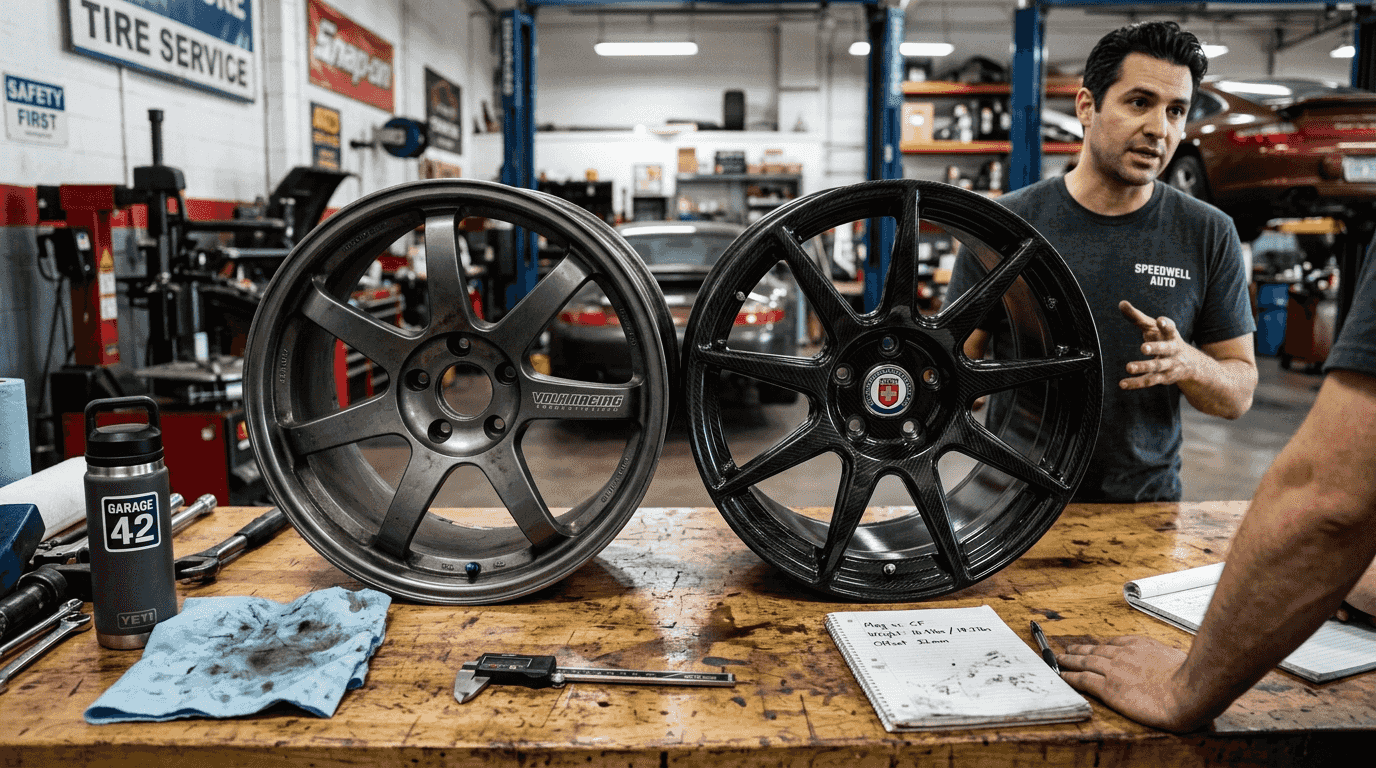
While carbon fiber wheels dominate enthusiast conversations, forged magnesium wheels can be about two pounds lighter than equivalent carbon fiber wheels in 20-inch sizes. This surprises many buyers who assume carbon fiber automatically means lightest possible weight. The real story involves understanding material properties and how different strengths matter for wheel applications.
Magnesium has strength in all directions, especially bending and compressing, unlike carbon fiber, which cracks instead of bending. This isotropic strength means magnesium wheels deform predictably under extreme stress, giving you warning signs before catastrophic failure. Carbon fiber’s anisotropic nature provides exceptional strength along fiber orientation but can fail suddenly when stress comes from unexpected angles, particularly in lateral impacts like curb strikes.
Here’s how the materials compare across critical performance factors:
| Property | Carbon Fiber Wheels | Forged Magnesium Wheels |
|---|---|---|
| Weight (20-inch) | Moderate, 40-50% lighter than aluminum | Lightest, typically 2 pounds less than carbon fiber |
| Bending strength | High in fiber direction, lower perpendicular | Excellent in all directions, superior overall |
| Impact resistance | Cracks rather than bends, sudden failure | Bends before breaking, visible deformation |
| Repairability | Limited, depends on damage location and brand | Difficult, often requires replacement |
| Heat tolerance | Excellent with proper resin systems | Good, requires protective coatings |
Magnesium’s superior bending strength makes it ideal for applications where impact resistance matters most, like rally racing or street driving in areas with poor road conditions. Carbon fiber excels when you need to minimize rotational inertia for track applications where road hazards are controlled. Both materials require careful manufacturing and quality control to deliver safe, reliable performance.
Pro Tip: Always verify manufacturer certification and request fatigue resistance data before purchasing either carbon fiber or magnesium wheels, as substandard production in both materials can lead to dangerous failures under normal driving conditions.
“Magnesium wheels offer a distinct advantage in bending and compressive strength, making them more forgiving under unexpected lateral loads, while carbon fiber wheels provide unmatched stiffness-to-weight ratios when engineered correctly for their intended stress patterns.”
Key considerations when choosing between materials:
- Magnesium wheels require protective coatings to prevent corrosion, especially in wet or salty environments
- Carbon fiber wheels offer better long-term durability when properly maintained and protected from curb damage
- Magnesium provides better impact tolerance for street driving where road hazards are unpredictable
- Carbon fiber delivers superior heat rejection properties, beneficial for heavy braking applications
- Both materials demand premium pricing, so choosing based on your specific use case maximizes value
For enthusiasts serious about wheel safety and longevity, following proper forged wheels safety inspection protocols ensures you catch potential issues before they become dangerous. Understanding these material trade-offs helps you select wheels that match your driving style, vehicle application, and performance priorities rather than simply chasing the lightest possible option.
Addressing common myths and practical considerations for carbon fiber wheels
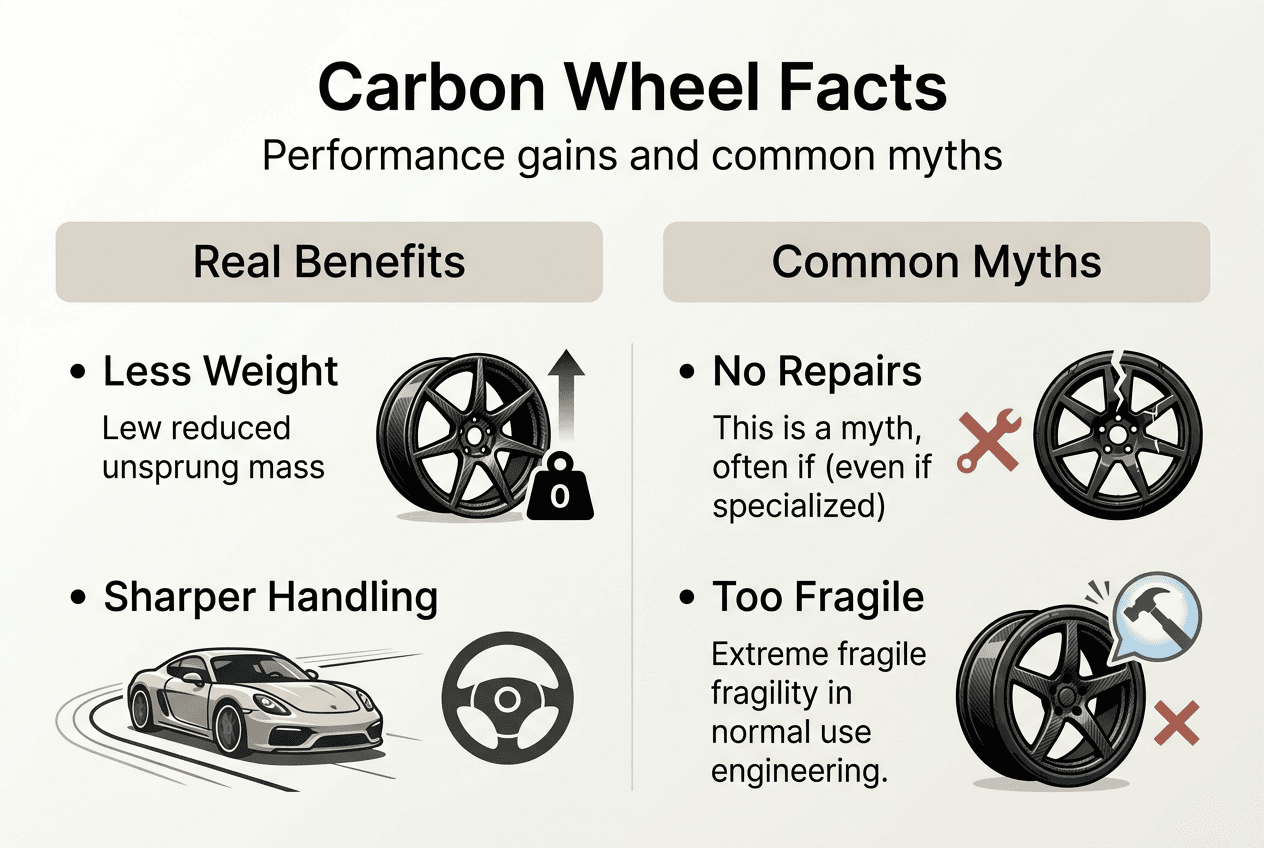
Several persistent myths about carbon fiber wheels continue circulating in 2026, often based on early generation products that had legitimate shortcomings. Myths about carbon fiber wheels not handling extreme temperatures and being unrepairable are largely unfounded and inflamed by early design failures. Modern carbon fiber wheels from reputable manufacturers use advanced resin systems that tolerate track-level heat without degradation, and many brands now offer repair services for minor damage.
The repairability question deserves nuanced understanding. While carbon fiber can’t be welded like aluminum, specialized repair processes exist for addressing cosmetic damage and minor structural issues. The key is choosing manufacturers who stand behind their products with comprehensive warranties and documented repair capabilities. Reputable brands provide third-party validation of fatigue resistance and lateral impact tolerance, giving you confidence in long-term durability.
Here’s how to evaluate and select a carbon fiber wheel brand:
- Research published impact test data from independent laboratories, not just manufacturer claims
- Verify warranty coverage specifically addresses curb damage, impact failures, and manufacturing defects
- Check for established service networks or authorized repair centers in your region
- Read long-term owner reviews focusing on durability after 12+ months of use
- Confirm the brand uses certified manufacturing processes with documented quality control
- Ask about replacement part availability and typical lead times for repairs
Pro Tip: Avoid brands without clear JWL or TÜV certification and documented repair support, as a single curb strike could result in a total loss requiring expensive wheel replacement rather than affordable repair.
Carbon fiber wheels make the most sense for specific vehicle types and driving scenarios. Track-focused builds benefit enormously from the unsprung mass reduction and heat tolerance. Electric vehicles gain measurable range improvements through better energy recovery and reduced parasitic losses. Luxury high-performance vehicles see enhanced driving dynamics that complement their sophisticated suspension systems. Daily drivers on rough roads might find the impact risk and cost difficult to justify compared to quality forged aluminum alternatives.
Practical ownership considerations include:
- Maintenance requires careful cleaning with pH-neutral products to protect clear coat and resin
- Impact risks from potholes and curbs demand heightened awareness during street driving
- Warranty terms vary significantly between brands, affecting long-term ownership costs
- Track use versus daily driving changes the value equation dramatically
- Insurance considerations may require additional coverage for high-value wheel sets
- Seasonal wheel swaps become more expensive when storing premium carbon fiber sets
Understanding who benefits most from carbon fiber wheels helps you make informed decisions. If you’re building a dedicated track car, competing in time attack events, or maximizing EV efficiency, carbon fiber wheels deliver measurable returns. For casual enthusiasts who occasionally visit the track or prioritize street aesthetics, quality forged aluminum wheels often provide better value. Exploring custom wheels luxury cars options helps you understand the full spectrum of premium wheel choices available in 2026.
Real-world impact: how carbon fiber wheels elevate vehicle aesthetics and handling
Beyond measurable performance metrics, carbon fiber wheels transform how your vehicle feels and responds to driver inputs. The subjective improvements in agility, responsiveness, and overall composure become immediately apparent once you experience reduced unsprung mass. Carbon fiber wheels reshape the Corvette’s driving character uniquely among bolt-on parts, improving agility and composure in ways that complement the chassis rather than overwhelming it.
The Chevrolet Corvette Z06 and E-Ray serve as excellent case studies for carbon fiber wheel impact. Owners consistently report sharper turn-in, more predictable mid-corner balance, and improved stability under hard braking when switching from factory aluminum wheels to carbon fiber alternatives. The weight reduction allows the magnetic ride control suspension to respond faster to road inputs, maintaining better tire contact and grip through technical sections. On track, the difference becomes even more pronounced as heat buildup decreases and brake fade occurs later in sessions.
Aesthetic benefits extend beyond the distinctive carbon weave pattern visible through clear coat finishes. The sleek, high-tech appearance signals serious performance intent while maintaining understated elegance that suits luxury vehicles. Many manufacturers offer ceramic coating options that reject heat and resist brake dust accumulation, keeping wheels cleaner between detailing sessions. The visual impact of carbon fiber wheels elevates your entire build, creating a cohesive performance aesthetic when paired with other carbon components.
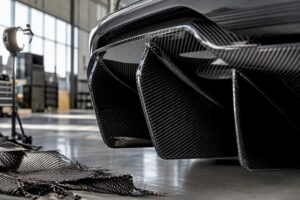
Pro Tip: Maximize performance impact by pairing carbon fiber wheels with complementary aerodynamic upgrades like diffusers, wings, and vented hoods that work together to reduce drag and increase downforce for a complete track-focused package.
Top upgrades to pair with carbon fiber wheels for track builds:
- Adjustable coilover suspension to optimize geometry and ride height for reduced unsprung mass
- High-performance brake pads and fluid that match the improved heat dissipation characteristics
- Lightweight lug nuts and valve stems to further reduce rotating mass
- Performance alignment settings that take advantage of improved suspension response
- Aerodynamic components like the aerotech diffuser Corvette C8 for balanced downforce
- Rear wings such as the Z06 style carbon wing Corvette C8 for high-speed stability
- Vented hoods like the Corvette C8 competition hood for better engine cooling
For daily driving, the performance gains remain subtle but noticeable to attentive drivers. You’ll feel slightly crisper steering response and marginally improved ride quality as the suspension works more efficiently. The real value emerges during spirited driving on your favorite roads or occasional track days where the cumulative benefits of reduced unsprung mass compound with skilled driving inputs. EV owners gain practical range improvements that add up over thousands of miles, making carbon fiber wheels a functional upgrade rather than purely aesthetic choice.
The decision to invest in carbon fiber wheels ultimately depends on your priorities and how you use your vehicle. Serious enthusiasts who regularly track their cars or compete in timed events will appreciate every advantage carbon fiber wheels provide. Luxury vehicle owners seeking the ultimate in refinement and performance will value the enhanced driving dynamics and exclusive appearance. Casual drivers might find the cost difficult to justify when quality forged aluminum wheels deliver 80% of the benefits at a fraction of the price. Understanding your specific needs and driving style ensures you make the choice that maximizes value and satisfaction.
Explore high-performance forged wheels and carbon upgrades at E6 Carbon
Now that you understand the performance benefits and practical considerations of carbon fiber wheels, exploring premium options becomes the next step. E6 Carbon specializes in high-quality forged multipiece wheels that combine the strength advantages of forged aluminum with the aesthetic appeal and performance characteristics enthusiasts demand. Our AR03 multipiece forged wheels deliver exceptional customization options, allowing you to specify offsets, widths, and finishes that perfectly match your build.

We provide comprehensive resources to help you maintain and inspect your wheels properly. Our detailed forged wheels safety inspection guide walks you through critical checkpoints to ensure your wheels remain safe and reliable throughout their service life. For luxury vehicle owners seeking the perfect balance of style and performance, our guide on custom wheels for luxury cars explores options tailored to premium brands like BMW, Ferrari, Lamborghini, McLaren, and Mercedes-AMG. Explore our full product line and educational resources to find the perfect upgrade for your high-performance vehicle in 2026.
FAQ
Are carbon fiber wheels better than forged magnesium?
Magnesium wheels are often lighter and stronger in bending but carbon fiber offers distinct handling benefits due to optimized weight distribution and rotational inertia reduction. The best choice depends on your specific vehicle use, driving style, and priorities around impact tolerance versus ultimate lightness. Track-focused applications favor carbon fiber for heat management, while street driving in harsh conditions may benefit from magnesium’s superior bending strength and damage tolerance.
Can carbon fiber wheels be repaired after damage?
Repairs are possible but depend heavily on the brand, damage severity, and location of the impact. Early myths about carbon fiber wheels being unrepairable have been largely dispelled, especially by reputable brands offering repair services and warranties. Choosing manufacturers with published impact data, established service networks, and documented repair processes significantly reduces the risk of total loss from minor curb damage or road hazards.
Who benefits most from carbon fiber wheels?
Carbon fiber wheels provide the greatest advantage in high-performance track builds and long-range EVs where unsprung mass reduction and energy recovery matter most. Serious enthusiasts who regularly track their vehicles, compete in timed events, or prioritize maximum performance will appreciate measurable gains in lap times and handling precision. Typical daily drivers see less dramatic benefits, making quality forged aluminum wheels often a better value proposition for street-focused applications.