Stock factory parts prioritize comfort and reliability for average drivers, but they leave massive performance potential untapped. If you own a luxury or sports vehicle and crave sharper acceleration, tighter handling, or aggressive styling, aftermarket performance parts unlock capabilities your manufacturer intentionally limited. These upgrades transform how your car behaves on the road and track, delivering measurable gains in power, braking, and aerodynamics. Understanding what aftermarket parts are, how they work, and which upgrades suit your goals empowers you to build a vehicle that reflects your driving ambitions. This guide breaks down the essentials for 2026.
Table of Contents
- What Are Aftermarket Performance Parts?
- Popular Aftermarket Upgrades And Their Benefits
- Quality, Installation, And Choosing The Right Parts
- Aero Kits And Body Modifications: Function Meets Style
- Explore High-Quality Performance Upgrades From E6 Carbon
- Frequently Asked Questions
Key takeaways
| Point | Details |
|---|---|
| Aftermarket parts boost performance | They enhance acceleration, handling, and braking beyond factory specifications for sports and luxury vehicles. |
| Popular upgrades include intakes and tuning | Cold air intakes, ECU tuning, exhaust systems, and big brake kits deliver measurable power and control improvements. |
| Quality and installation matter critically | Reputable brands and certified technician installation ensure safety, reliability, and optimal performance gains. |
| Aero kits combine function and style | Carbon fiber splitters, diffusers, and wings improve downforce and stability while creating aggressive custom looks. |
What are aftermarket performance parts?
Aftermarket performance parts are non-factory components designed to improve specific vehicle metrics like horsepower, torque, braking force, or aerodynamic stability. Unlike stock parts engineered for mass-market appeal and warranty compliance, aftermarket performance parts improve vehicle acceleration, handling, and braking beyond factory specifications by targeting precise performance goals. Manufacturers limit factory components to balance cost, durability, and regulatory requirements across diverse driving conditions. Aftermarket parts remove those compromises, offering tailored upgrades for enthusiasts who demand more from their luxury and sports vehicles.
The difference between stock and aftermarket lies in intent. Factory parts prioritize longevity and broad compatibility, while aftermarket components focus on maximizing performance in specific areas. For example, a stock intake system delivers adequate airflow for average driving, but an aftermarket cold air intake dramatically increases air volume and density, boosting combustion efficiency. Similarly, factory brake systems handle normal stopping demands, but aftermarket big brake kits with larger rotors and multi-piston calipers provide superior stopping power for track use or spirited driving.
Common aftermarket performance parts fall into several categories, each addressing distinct aspects of vehicle dynamics:
- Engine upgrades like cold air intakes, turbochargers, and ECU tuning enhance power output and throttle response
- Exhaust systems improve exhaust flow, reduce backpressure, and create aggressive sound profiles
- Brake upgrades including larger rotors, performance calipers, and high-friction pads deliver shorter stopping distances
- Wheel and tire combinations reduce unsprung weight and improve grip for better acceleration and cornering
- Aerodynamic kits with splitters, diffusers, and wings increase downforce and high-speed stability
These upgrades allow you to personalize your vehicle’s character, whether you prioritize straight-line speed, cornering precision, or visual impact. Selecting the right combination depends on your driving style, vehicle platform, and performance objectives. Exploring top performance parts luxury cars 2026 helps identify which upgrades align with your goals, while understanding why upgrade racing wheels performance style benefits 2026 clarifies how wheel choices impact overall dynamics.
Popular aftermarket upgrades and their benefits
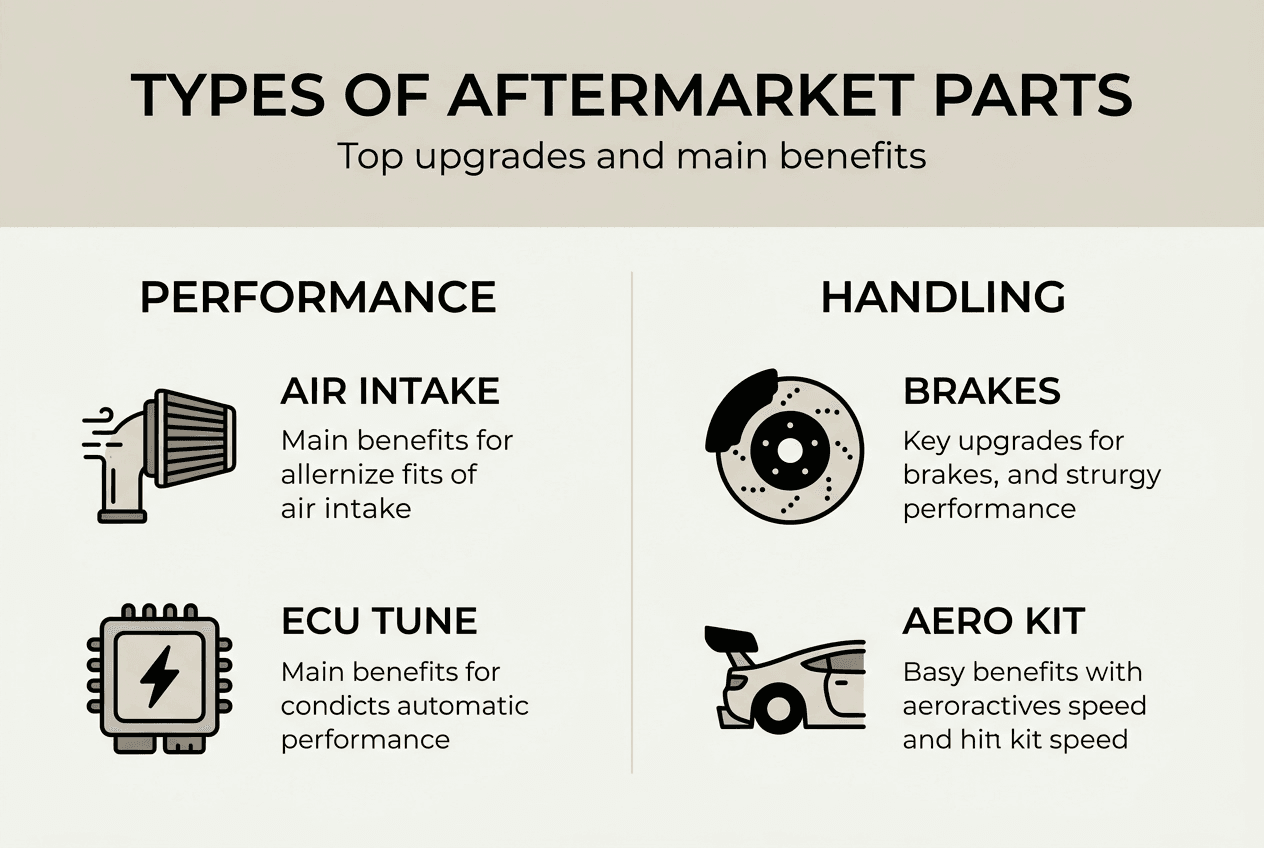
Cold air intakes rank among the most accessible and effective upgrades for immediate performance gains. Cold air intakes can increase horsepower and improve throttle response by drawing cooler, denser air into the combustion chamber, which contains more oxygen molecules per cubic inch than warm air. This enhanced oxygen supply improves fuel burn efficiency, translating to noticeable power increases and sharper acceleration. Installation typically requires basic tools and minimal modifications, making cold air intakes an ideal entry point for first-time upgraders.
ECU tuning represents a software-based upgrade that recalibrates your engine’s electronic control unit to optimize performance parameters. ECU tuning optimizes engine performance by adjusting fuel delivery, ignition timing, and boost pressure, unlocking power reserves your manufacturer intentionally restricted for emissions compliance or warranty protection. Professional tuners analyze your specific vehicle and driving needs, then modify software maps to deliver gains ranging from 10% to 30% in horsepower and torque. Custom tuning also improves drivability by smoothing power delivery and eliminating factory throttle lag.
Turbochargers and superchargers offer the most dramatic power increases available through aftermarket upgrades. Turbochargers offer dramatic power gains by forcing compressed air into the engine, allowing significantly more fuel to burn per combustion cycle. A properly sized turbo kit can double factory horsepower figures, transforming a quick sports car into a genuine supercar competitor. However, forced induction requires supporting modifications like upgraded fuel injectors, intercoolers, and strengthened internal engine components to handle increased stress safely.
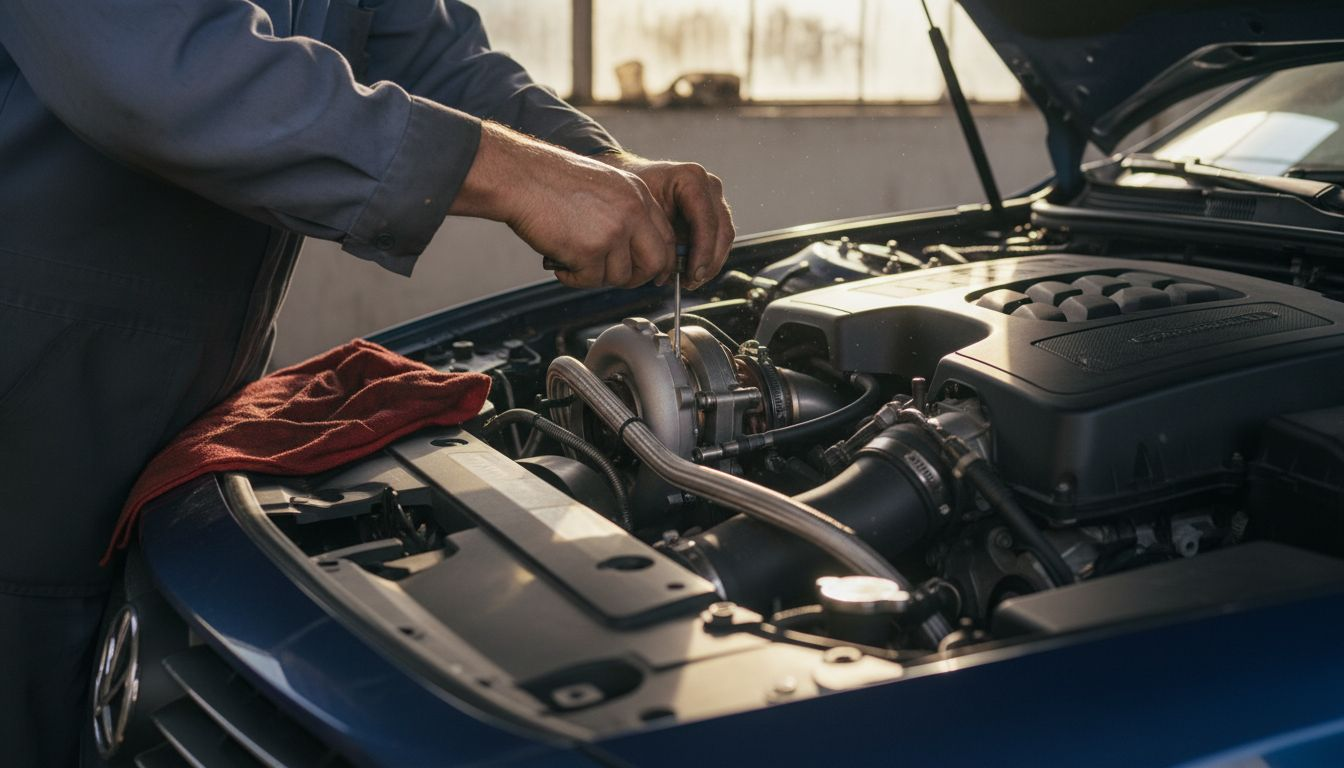
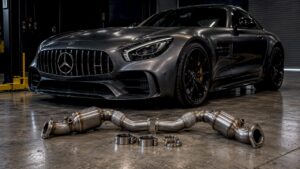
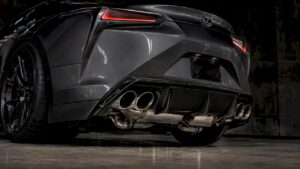
Aftermarket exhaust systems improve performance through multiple mechanisms beyond just creating aggressive sound. Exhaust system upgrades can improve engine response and power gains by reducing backpressure that restricts exhaust gas flow from the combustion chamber. High-flow catalytic converters, larger diameter piping, and optimized muffler designs allow exhaust gases to exit more efficiently, freeing trapped horsepower. Quality exhaust systems also reduce weight compared to factory components, contributing to better power-to-weight ratios. The resulting sound profile adds visceral feedback that enhances the driving experience.
Big brake kits transform stopping performance with larger rotors, multi-piston calipers, and high-performance brake pads designed for extreme temperatures. Factory brakes handle normal driving adequately, but aggressive driving or track use generates heat that causes brake fade and reduced stopping power. Aftermarket brake systems dissipate heat more effectively through increased rotor surface area and improved caliper designs, maintaining consistent braking force even during repeated hard stops. This upgrade proves essential for vehicles with significant power modifications, as increased acceleration demands proportionally improved braking capability.
Pro Tip: When selecting performance parts, prioritize upgrades that address your vehicle’s specific weaknesses rather than chasing maximum horsepower numbers. A balanced approach focusing on top performance parts luxury cars 2026 delivers better real-world results than single-minded power builds.
Quality, installation, and choosing the right parts
Quality is crucial when selecting performance parts, as substandard components can degrade performance, damage your vehicle, or create dangerous safety hazards. Reputable aftermarket brands invest heavily in research, testing, and quality control to ensure their products deliver advertised benefits without compromising reliability. OEM-approved parts or components from established manufacturers with proven track records provide peace of mind that your upgrades will perform as expected. Cheap knockoff parts may offer initial savings, but they frequently fail prematurely, require replacement, or cause collateral damage to surrounding systems.
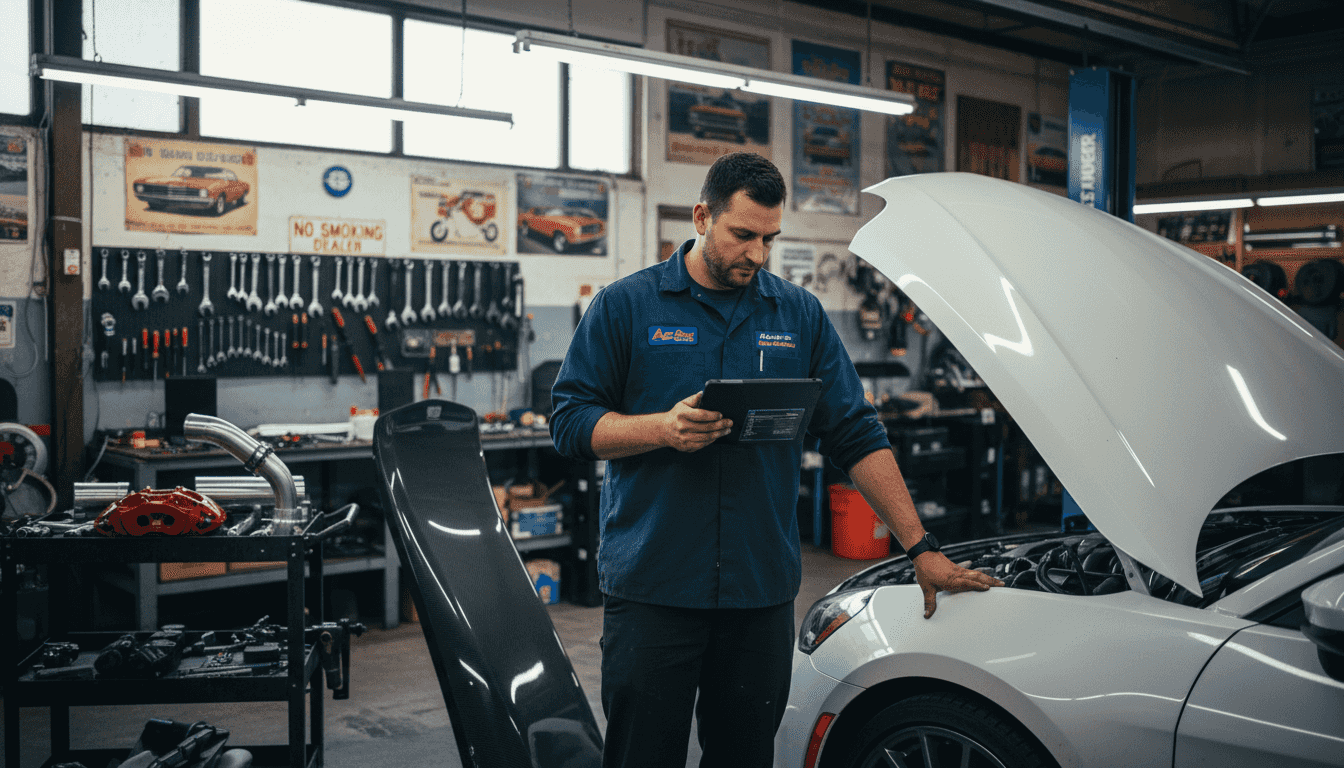
Proper installation by certified technicians ensures upgrades improve performance without compromising the vehicle’s engineering, maintaining safety standards and preserving warranty coverage where applicable. Professional installers understand how aftermarket components interact with factory systems, allowing them to identify potential conflicts before they become problems. They also possess specialized tools and diagnostic equipment necessary for proper calibration and testing. Attempting complex installations without appropriate expertise risks damaging expensive parts, voiding warranties, or creating unsafe driving conditions.
Improper installation introduces multiple failure points that compromise both performance and safety:
- Incorrectly torqued fasteners can loosen during operation, causing catastrophic component failure
- Misaligned suspension components accelerate tire wear and destabilize handling characteristics
- Improperly routed fuel or oil lines create fire hazards or leak risks
- Inadequate electrical connections cause intermittent failures or sensor malfunctions
Post-installation inspection and ongoing maintenance preserve the benefits of your upgrades while extending component lifespan. Following manufacturer-specified service intervals for oil changes, brake fluid flushes, and component inspections prevents premature wear. Understanding how to inspect forged wheels for safety 2026 helps identify potential issues before they escalate, while consulting a comprehensive forged wheel installation guide 2026 ensures proper mounting procedures.
Quality aftermarket parts from reputable manufacturers, combined with professional installation and regular maintenance, deliver reliable performance improvements that enhance your driving experience without compromising vehicle integrity or safety.
Pro Tip: Before purchasing any performance part, verify compatibility with your specific vehicle year, model, and existing modifications. Consult with experienced tuners or specialty shops familiar with your platform to avoid costly mistakes and ensure all components work together harmoniously.
Aero kits and body modifications: function meets style
Aero kits and body enhancements improve both function and form by manipulating airflow around your vehicle to increase downforce, reduce drag, and create aggressive styling that communicates performance intent. Carbon fiber aero components have become the gold standard for serious enthusiasts, offering exceptional strength-to-weight ratios that add functional benefits without negating weight reduction efforts elsewhere. Front splitters direct airflow under the vehicle while creating high-pressure zones that push the front end downward, improving turn-in response and high-speed stability. Side skirts smooth airflow along the vehicle’s flanks, reducing turbulence and drag. Rear diffusers accelerate air exiting from underneath the chassis, creating low-pressure zones that generate additional downforce. Wings and spoilers provide adjustable downforce at the rear axle, balancing front-end grip for neutral handling characteristics.
Functional aerodynamic benefits become increasingly pronounced at higher speeds, where air resistance and lift forces dramatically affect vehicle behavior. At highway speeds, quality aero kits measurably improve stability by keeping the vehicle planted, reducing the floating sensation common in stock configurations. During spirited driving or track sessions, increased downforce translates directly to higher cornering speeds and improved braking performance as increased tire loading enhances grip. The difference between a vehicle with and without proper aerodynamics becomes obvious when pushing limits, where confidence-inspiring stability allows you to maintain higher speeds through corners.
Visual upgrades accompanying aerodynamic improvements create distinctive, aggressive appearances that set modified vehicles apart from stock examples. Carbon fiber’s distinctive weave pattern signals serious performance intent to knowledgeable enthusiasts, while widebody kits and aggressive aero components transform proportions for dramatic visual impact. These modifications allow you to express personal style while backing up aggressive looks with genuine functional improvements. Exploring our products aero kits and body modifications reveals the range of possibilities available for different platforms and aesthetic preferences.
| Component | Primary Material | Functional Benefit | Aesthetic Impact |
|---|---|---|---|
| Front Splitter | Carbon Fiber | Increases front downforce and reduces lift | Creates aggressive, race-inspired front profile |
| Side Skirts | Carbon Fiber | Smooths airflow and reduces drag | Lowers visual profile and adds sporty character |
| Rear Diffuser | Carbon Fiber | Accelerates underbody airflow for rear downforce | Emphasizes performance-oriented rear design |
| Adjustable Wing | Carbon Fiber/Aluminum | Provides tunable rear downforce | Delivers unmistakable track-focused appearance |
Main functional benefits and design considerations for aerodynamic upgrades include:
- Downforce generation improves tire contact patch loading for better grip during acceleration, braking, and cornering
- Drag reduction enhances top speed potential and fuel efficiency during highway driving
- High-speed stability reduces driver fatigue and increases confidence when pushing performance limits
- Adjustability allows tuning aerodynamic balance for different driving conditions or track configurations
- Lightweight construction preserves power-to-weight ratios while adding functional benefits
Specific applications like the AeroTech carbon hood Lexus LC500 demonstrate how targeted aerodynamic components reduce weight while improving engine bay heat extraction. Comprehensive body kits such as the VNS Urus body kit transform entire vehicle aesthetics while incorporating functional aerodynamic principles throughout the design. These complete solutions ensure all components work together harmoniously rather than creating conflicting airflow patterns.
Explore high-quality performance upgrades from E6 Carbon
Transforming your luxury or sports vehicle requires components that match your performance ambitions with uncompromising quality and precision engineering. E6 Carbon specializes in premium forged wheels and carbon fiber aerodynamic components designed specifically for high-performance applications. Our AR03 multipiece wheels combine lightweight construction with exceptional strength, reducing unsprung weight for improved acceleration, braking, and handling response. Each wheel undergoes rigorous testing to ensure it meets the demanding standards of track use while maintaining the refined aesthetics appropriate for luxury vehicles.
Browsing our complete E6 Carbon products overview reveals the full range of performance upgrades available, from monoblock and beadlock designs to comprehensive carbon fiber body kits. Every component reflects our commitment to combining expert craftsmanship with premium materials, ensuring your upgrades deliver lasting performance improvements and visual impact. Understanding why choose custom wheels luxury cars 2026 helps you appreciate how proper wheel selection amplifies every other performance modification.
Pro Tip: Choosing wheels and aerodynamic components from E6 Carbon ensures compatibility, quality, and performance optimization backed by extensive motorsport experience and engineering expertise.
Frequently asked questions
What are aftermarket performance parts?
Aftermarket performance parts are non-factory components engineered to enhance specific vehicle capabilities beyond stock specifications. They target improvements in power output, handling precision, braking performance, or aerodynamic efficiency. These upgrades allow enthusiasts to customize their vehicles for specific driving styles or performance goals.
How do cold air intakes improve engine performance?
Cold air intakes draw cooler, denser air into the combustion chamber, which contains more oxygen molecules than warm air. This enhanced oxygen supply improves fuel combustion efficiency, increasing horsepower and torque. They also improve throttle response, making acceleration feel more immediate and linear throughout the rev range.
Is professional installation necessary for aftermarket parts?
Yes, professional installation by certified technicians ensures components function correctly and integrate safely with existing vehicle systems. Experienced installers possess specialized tools, diagnostic equipment, and platform-specific knowledge that prevent installation errors. Proper installation also preserves warranty coverage and maintains vehicle safety standards.
Can aero kits make a noticeable difference in sports car handling?
Yes, quality aerodynamic kits measurably improve high-speed stability and cornering performance by increasing downforce on the chassis. Enhanced tire loading from aerodynamic pressure improves grip during acceleration, braking, and cornering. The benefits become increasingly pronounced at higher speeds where aerodynamic forces have greater impact on vehicle dynamics.