

Selecting the right performance wheels transforms your vehicle’s aesthetics and driving dynamics, but the sheer variety of materials, sizes, and styles overwhelms many enthusiasts. Whether you own a McLaren, BMW M series, or Mercedes-AMG, choosing wheels that balance weight reduction, structural integrity, and visual appeal requires understanding technical specifications and performance characteristics. This guide walks you through preparation essentials, selection criteria, installation best practices, and maintenance protocols to help you make confident decisions that enhance both form and function.
Table of Contents
- Key takeaways
- Understanding performance wheel basics
- Preparation: key factors to consider before selecting wheels
- Step-by-step guide to selecting and installing performance wheels
- Verifying wheel performance and maintenance tips
- Explore premium performance wheels and guides at E6 Carbon
- Frequently asked questions about selecting performance wheels
Key Takeaways
| Point | Details |
|---|---|
| Wheel material options | Forged, cast, and carbon fiber wheels offer different weight and strength tradeoffs, with carbon fiber providing the greatest unsprung weight reduction. |
| Finish and care | Finish choices affect aesthetics and maintenance, with powder coating and ceramic coatings offering durability while polished finishes require regular cleaning. |
| Fitment essentials | Key measurements include diameter 18 to 22 inches, width, offset, bolt pattern, hub bore, brake clearance, and fender clearance to prevent rubbing. |
| Beadlock practicality | Beadlock wheels are reserved for extreme motorsport and are not street legal in most areas. |
Understanding performance wheel basics
Performance wheels fall into three primary categories, each engineered for specific applications and budgets. Forged wheels use extreme pressure to compress aluminum alloy into dense, lightweight structures that excel in strength-to-weight ratios. Cast wheels pour molten metal into molds, creating affordable options suitable for street use but heavier than forged alternatives. Carbon fiber wheels offer significant weight reduction and performance benefits compared to alloy wheels, though they command premium pricing due to complex manufacturing processes.
Material selection directly impacts your vehicle’s unsprung weight, the mass not supported by suspension components. Reducing unsprung weight by even 5 pounds per corner improves suspension response, acceleration, and braking performance. A typical forged wheel weighs 18-22 pounds, while cast versions range from 25-30 pounds. Carbon fiber options drop to 12-16 pounds, delivering the most dramatic performance gains.
Wheel finishes affect both aesthetics and durability:
- Powder coating provides chip-resistant protection in virtually any color
- Brushed aluminum creates a motorsport aesthetic with minimal maintenance
- Polished finishes demand regular care but offer mirror-like brilliance
- Ceramic coatings resist brake dust and simplify cleaning
Pro Tip: Match your wheel finish to your driving environment. Track-focused builds benefit from durable powder coating, while show cars justify the maintenance of polished finishes.
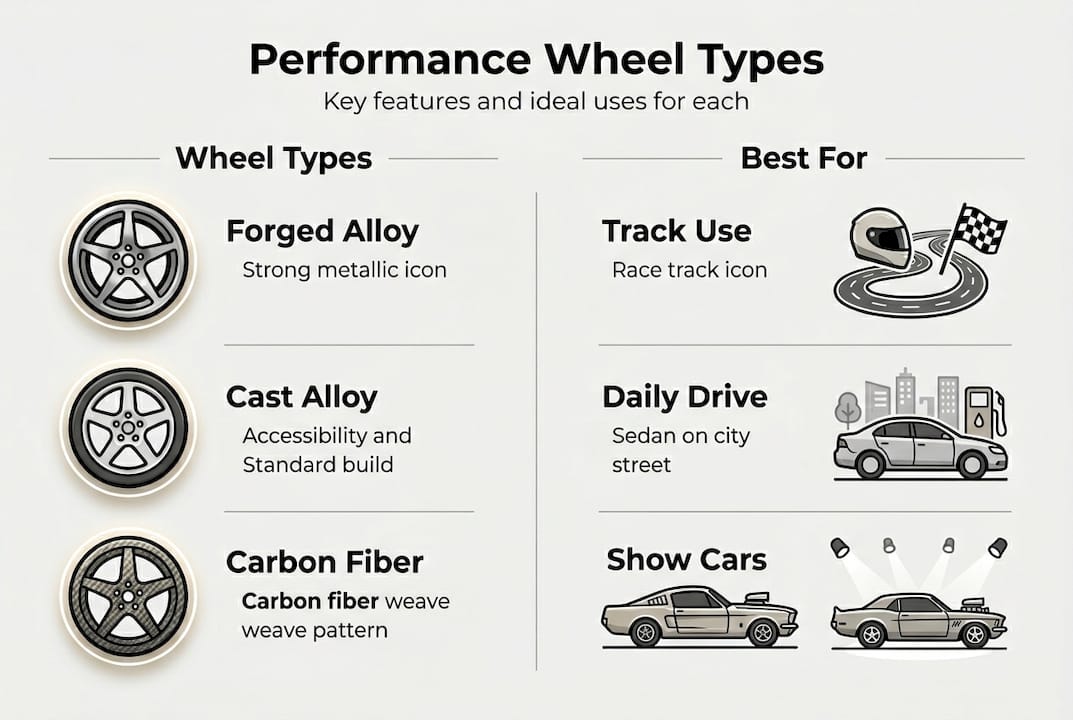
Understanding wheel customization options helps you specify features that align with performance goals. Monoblock construction offers maximum rigidity for track use, while multi-piece designs enable width adjustments and finish combinations. Beadlock wheels secure tires mechanically for extreme motorsport applications, though most remain track-only due to street legality concerns.
Preparation: key factors to consider before selecting wheels
Before browsing catalogs, gather your vehicle’s exact specifications to ensure compatibility and optimal fitment. Wheel diameter typically ranges from 18 to 22 inches for luxury performance vehicles, with larger sizes reducing sidewall height for sharper steering response but harsher ride quality. Width affects tire contact patch and stance, measured in inches from bead seat to bead seat.
Offset determines how far the mounting surface sits from the wheel’s centerline, measured in millimeters. Positive offset positions the mounting surface toward the wheel face, tucking it inward. Negative offset pushes the wheel outward for an aggressive stance. Proper wheel sizing and fitment prevent safety issues and optimize performance by maintaining suspension geometry and preventing tire rubbing.
Critical measurements include:
- Bolt pattern: number of lugs and diameter of the circle they form (example: 5x120mm)
- Hub bore: center hole diameter that must match your vehicle’s hub or use hub-centric rings
- Brake clearance: minimum spoke clearance to avoid caliper contact
- Fender clearance: wheel and tire combination must fit without rubbing during suspension travel
| Vehicle Type | Typical Diameter | Common Width Range | Offset Range |
|---|---|---|---|
| Luxury sedan | 19-20 inches | 8.5-10.5 inches | +35 to +45mm |
| Sports coupe | 19-21 inches | 9.0-11.0 inches | +25 to +40mm |
| SUV/crossover | 20-22 inches | 9.0-10.0 inches | +40 to +50mm |
| Track car | 18-19 inches | 9.5-11.5 inches | +15 to +35mm |
Balancing aesthetics with performance requires honest assessment of your priorities. Aggressive fitment with stretched tires and extreme offsets creates dramatic visual impact but compromises handling precision and tire wear patterns. Conservative fitment maintains manufacturer-intended geometry while allowing modest improvements in appearance and performance characteristics.
Pro Tip: Order wheels with test fitment guarantees when pushing fitment boundaries. Reputable manufacturers provide trial periods to verify clearance before final commitment.
Material selection depends on usage patterns and budget constraints. Daily drivers benefit from forged wheels’ durability and reasonable weight savings. Weekend track cars justify carbon fiber’s extreme lightness despite higher costs. Show vehicles might prioritize intricate multi-piece designs over outright performance. Consider total ownership costs including potential repairs, as carbon fiber wheels require specialized inspection and repair facilities.
Step-by-step guide to selecting and installing performance wheels
Follow this systematic approach to ensure your wheel selection delivers intended results without compatibility issues or safety concerns.
- Research vehicle-specific fitment data using manufacturer forums, fitment galleries, and specialist retailers who maintain databases of confirmed combinations.
- Measure current wheel specifications and identify desired changes in diameter, width, or offset to achieve your performance or aesthetic goals.
- Request test fitment or detailed clearance analysis from retailers, providing suspension modifications, tire sizes, and any body modifications that affect clearance.
- Compare quotes from multiple sources, verifying included services like mounting, balancing, valve stems, and hub-centric rings.
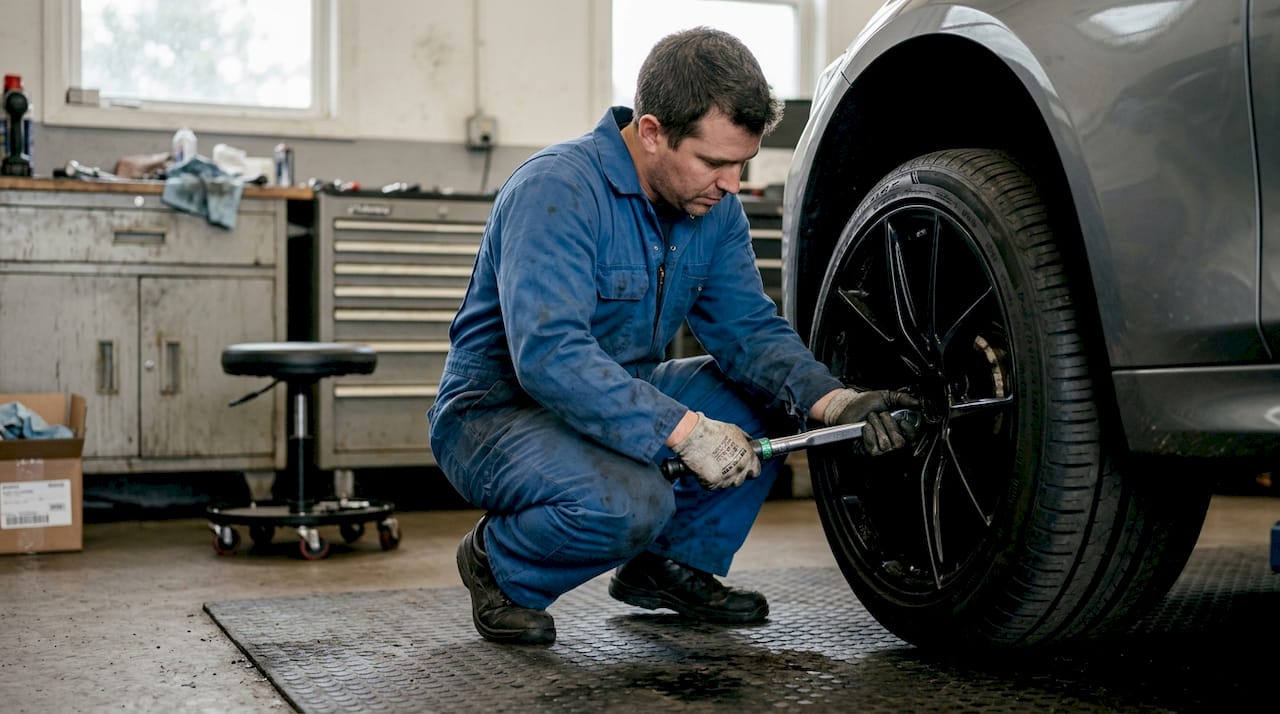
- Schedule professional installation with shops experienced in performance wheel mounting using proper torque specifications and procedures.
- Verify balance quality by test driving at various speeds, checking for vibrations that indicate improper balance or bent wheels.
- Return for retorque service after 50-100 miles as wheels settle and lug nuts may require adjustment to maintain proper clamping force.
Following a step-by-step installation ensures safety and optimal wheel performance throughout ownership.
| Wheel Type | Best Application | Weight Advantage | Cost Factor | Durability |
|---|---|---|---|---|
| Forged monoblock | Track and street | High (30% lighter than cast) | Medium-high | Excellent impact resistance |
| Multi-piece forged | Show and street | High (customizable) | High | Good (requires seal maintenance) |
| Cast aluminum | Daily driving | Moderate | Low-medium | Good for normal use |
| Carbon fiber | Track and exotic builds | Extreme (40-50% lighter) | Very high | Excellent (proper use) |
Common installation mistakes include overtightening lug nuts, which stretches studs and causes premature failure, and undertightening, which allows wheels to loosen during driving. Use calibrated torque wrenches set to manufacturer specifications, typically 80-100 ft-lbs for most luxury vehicles. Install lug nuts in star pattern to distribute clamping force evenly.
Pro Tip: Mark one lug nut per wheel with paint after proper torque application. This visual indicator helps you quickly verify if any nuts have loosened between service intervals.
Consider custom wheel options when off-the-shelf sizes don’t accommodate your vehicle’s unique requirements or aesthetic vision. Custom orders typically add 4-8 weeks to delivery but ensure perfect fitment for modified suspension, big brake kits, or specific offset requirements that optimize stance without compromising function.
Verifying wheel performance and maintenance tips
Post-installation evaluation confirms your wheels perform as expected and identifies potential issues before they escalate. During the first 500 miles, monitor for vibrations at specific speed ranges, which indicate balance issues or bent wheels. Listen for unusual noises when turning, suggesting tire rub against fenders or suspension components. Check lug nut torque after 50 and 100 miles as wheels settle into their final position.
Regular inspection and proper maintenance are crucial for forged wheel safety and longevity. Establish quarterly inspection routines that examine:
- Spoke integrity for hairline cracks radiating from lug holes or spoke junctions
- Finish condition noting chips, corrosion, or clear coat delamination
- Bead seats for damage that compromises tire seal
- Balance weights for security and proper adhesion
Seasonal maintenance protects your investment from environmental damage. Before winter storage, clean wheels thoroughly to remove brake dust, road salt, and contaminants that cause corrosion. Apply protective wax or sealant to finished surfaces. Store wheels in climate-controlled environments when possible, using tire bags or covers to prevent dust accumulation and UV exposure.
“Forged wheels require minimal maintenance compared to cast alternatives, but regular visual inspections catch stress cracks before they propagate into catastrophic failures. Any visible crack, regardless of size, demands immediate professional evaluation and likely wheel replacement.” — Motorsport Engineer, Performance Wheel Specialist
Track use accelerates wear patterns and increases inspection frequency requirements. After each track session, examine wheels for curb damage, impact marks, and finish deterioration from extreme heat cycling. Many track-focused drivers maintain separate wheel sets for competition and street use, preserving their premium wheels from the harsh environment of motorsport applications.
Pro Tip: Photograph your wheels from multiple angles immediately after installation. These reference images help you identify new damage and document condition for insurance purposes if theft or accident occurs.
Professional wheel inspection services use specialized equipment to detect internal damage invisible to visual examination. Ultrasonic testing identifies subsurface cracks in forged wheels, while X-ray analysis reveals structural compromises in carbon fiber construction. Schedule professional inspection annually for street wheels and after every major impact or track incident for competition wheels.
Explore premium performance wheels and guides at E6 Carbon
E6 Carbon manufactures forged and carbon fiber wheels engineered specifically for luxury and performance vehicles, combining weight reduction with structural integrity that meets the demands of both street and track use. Their product line includes monoblock designs for maximum rigidity, multi-piece configurations for customization flexibility, and specialized applications like beadlock wheels for motorsport competition.

Explore detailed forged wheel safety inspection protocols and comprehensive installation procedures that ensure optimal performance and longevity. Browse the AR03 multi-piece wheel collection to discover customizable options that deliver both aesthetic impact and measurable performance gains for your specific vehicle platform.
Frequently asked questions about selecting performance wheels
Can I use aftermarket performance wheels on all luxury cars?
Most luxury vehicles accommodate aftermarket wheels when you match bolt pattern, hub bore, offset, and brake clearance specifications. Some exotic manufacturers void warranties for non-approved wheels, so verify your specific model’s policies before purchasing.
How much weight savings can I expect upgrading to carbon fiber wheels?
Carbon fiber wheels typically weigh 40-50% less than equivalent cast aluminum wheels and 25-35% less than forged alternatives. A complete set might save 40-60 pounds of unsprung weight, noticeably improving acceleration, braking, and suspension response.
What maintenance is essential to keep forged wheels safe?
Inspect forged wheels quarterly for cracks, especially around lug holes and spoke junctions. Clean regularly to remove corrosive brake dust and road salt. Retorque lug nuts to specification after wheel removal and verify balance annually or whenever you notice vibrations.
How do I know if a wheel fits my vehicle?
Verify bolt pattern, hub bore, offset, and diameter match your vehicle specifications. Test fit or use digital fitment tools to confirm brake caliper clearance and fender clearance with your intended tire size. Consult vehicle-specific forums for real-world fitment examples.
Are racing wheels street legal?
Most forged and cast racing wheels meet street legality requirements, but beadlock wheels remain track-only in many jurisdictions due to regulations requiring pneumatic tire retention. Racing spec wheels designed for competition use often sacrifice ride comfort for performance, making them less practical for daily driving despite legal compliance.


