Most enthusiasts assume that swapping to a premium wheel is straightforward. Pick a design you like, confirm the bolt pattern, done. But forged wheel customization is a different discipline entirely. Get it wrong and you sacrifice lap times, tire wear, and resale value all at once. Get it right and your vehicle handles with a precision that feels almost surgical. This guide breaks down the exact criteria, finish options, and expert shortcuts that separate a truly dialed-in forged wheel build from an expensive mistake.
Table of Contents
- Understand the fundamentals: Forged vs. cast wheels
- Top customization criteria: Performance, fit, and durability
- Select the perfect finish for style and longevity
- Head-to-head: Comparing customization options for forged wheels
- Pro tips: Expert recommendations for maximizing performance and style
- Take your customization further with expert resources
- Frequently asked questions
Key Takeaways
| Point | Details |
|---|---|
| Forged wheels advantages | Forged wheels offer superior strength and weight savings, making them a must for performance and luxury vehicles. |
| Finish matters | Choosing anodized or ceramic finishes boosts longevity and minimizes maintenance in harsh conditions. |
| Fit and authenticity | Always match dynamic load rating and check authenticity certificates to ensure safe, high-quality customization. |
| Multipiece flexibility | Multipiece forged wheels give more options for repairs and resale, ideal for enthusiasts wanting both style and practicality. |
Understand the fundamentals: Forged vs. cast wheels
Before you spend a dollar on customization, you need to understand what separates forged wheels from every other option on the market. The difference is not just marketing language. It is a fundamental manufacturing distinction that affects every performance metric you care about.
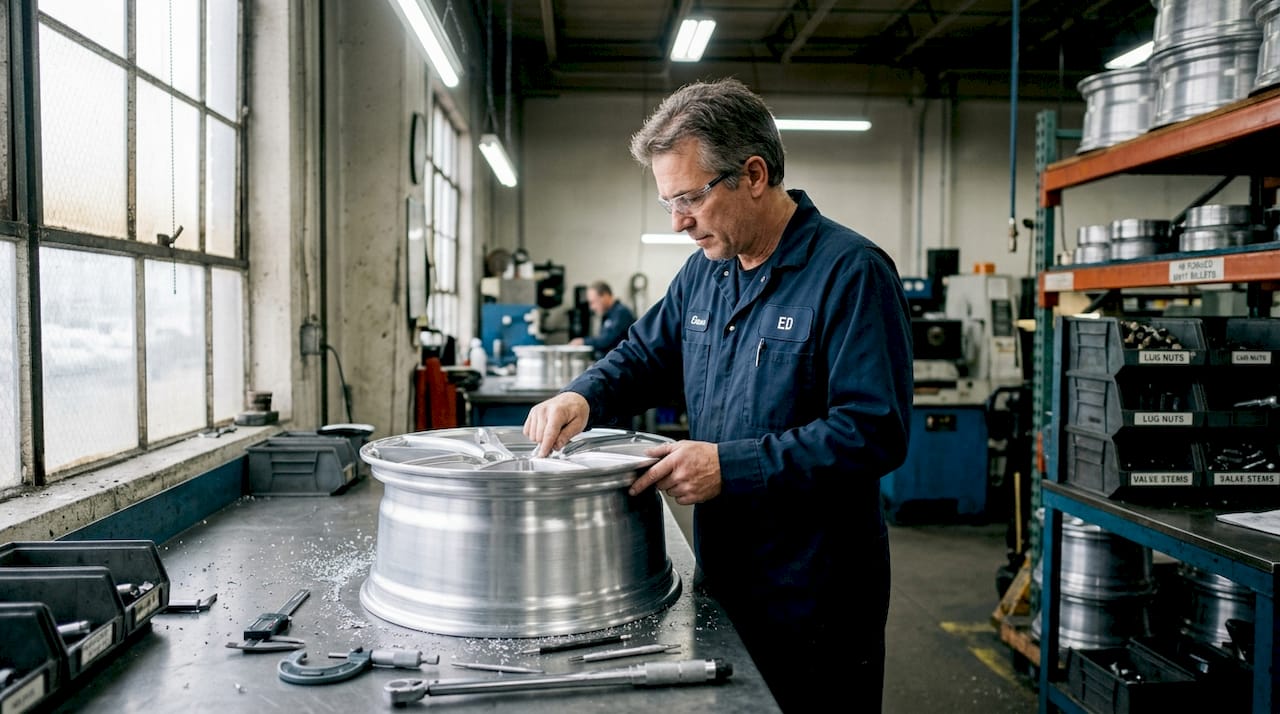
Forged wheels are produced by compressing aluminum billet under 8,000 to 12,000 tons of pressure, which aligns the grain structure of the metal for a superior strength-to-weight ratio. The alloy most commonly used is 6061-T6, a material prized for its stiffness and resistance to fatigue cracking. The result is a wheel that is both lighter and stronger than anything cast from molten aluminum.
Cast wheels are poured into molds, which introduces micro-porosity and inconsistencies in the grain structure. Flow-formed wheels sit between the two: they start as cast centers and are then spun and stretched to improve the barrel’s density. Both are perfectly adequate for daily commuting. Neither is the right call for a track-focused Ferrari or a show-quality Lamborghini build.
Here is a quick breakdown of what each manufacturing method delivers:
- Forged: Lightest weight, highest strength, best fatigue resistance, longest service life
- Flow-formed: Moderate weight savings, improved barrel strength over cast, budget-friendly upgrade
- Cast: Heaviest, most affordable, suitable for standard road use only
The yield strength difference between forged (276 MPa) and cast (207 MPa) is not trivial. That 33% strength advantage translates directly into thinner, lighter spokes without compromising safety margins. For a deeper look at how this plays into your build, the wheel customization overview at E6 Carbon covers weight reduction in practical terms, and the wheel design impact guide explains how spoke geometry affects both airflow and aesthetics.
“The grain alignment achieved through forging is the single biggest reason forged wheels outlast cast alternatives in high-stress environments. It is not just about weight. It is about how the material behaves under repeated load cycles.”
With the basics covered, let’s move to what matters most when customizing forged wheels, starting with how performance and fit relate.
Top customization criteria: Performance, fit, and durability
Choosing a forged wheel is not just about picking the right diameter or a finish that matches your paint. The three criteria that actually determine whether your build succeeds are load rating, fitment precision, and verified authenticity.
Load rating is where most enthusiasts make their first mistake. Your wheel’s load rating must exceed the dynamic loads your vehicle generates under braking, cornering, and acceleration, not just the static curb weight. A 4,000-pound car can generate lateral forces that effectively multiply that load during hard cornering. Match load rating to dynamic loads, and for track or off-road use, always specify racing-duty forged wheels rated for those conditions.
Fitment precision matters more on forged wheels because their lighter weight amplifies any vibration caused by improper hub centricity or offset. A wheel that is even slightly off in offset will stress your wheel bearings and compromise steering feel. Use the wheel fitment guide to confirm your exact specifications before ordering, and cross-reference with the matching wheels to car guide for platform-specific recommendations.
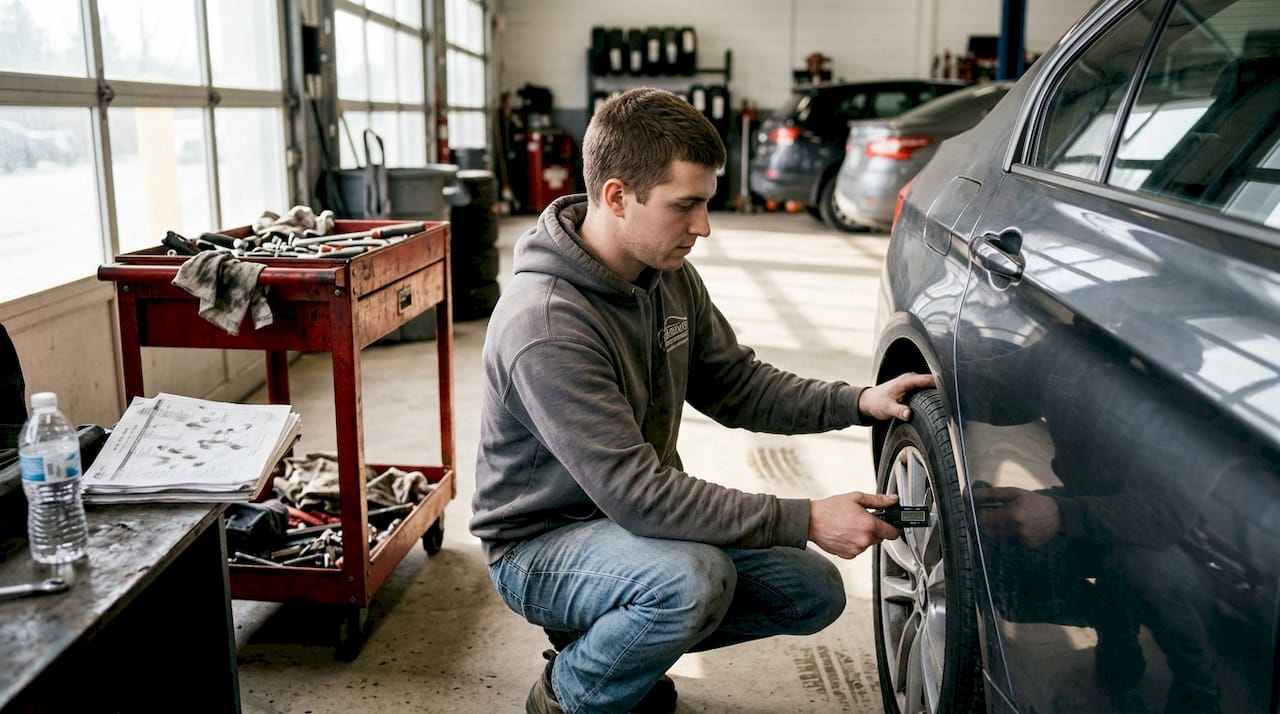
Authenticity verification is non-negotiable. The forged wheel market has a counterfeit problem. Wheels that look identical to premium forged products are sometimes cast replicas with falsified markings.
Here is what to check before any purchase:
- Certificate of conformity (CoC): Confirms the wheel meets the manufacturer’s stated specifications
- Serial number: Should be traceable through the manufacturer’s database
- Weight verification: Genuine forged wheels are noticeably lighter than cast counterparts of the same size
- Machining quality: Look for consistent surface finish and no visible porosity on the barrel
- Manufacturer documentation: Reputable brands provide full load rating and material certification
Pro Tip: If a deal on forged wheels seems too good to be true, request the serial number before payment and contact the manufacturer directly to verify it. A legitimate brand will confirm authenticity within 24 hours.
After establishing core customization criteria, let’s look at the aesthetic options that elevate both appearance and practicality.
Select the perfect finish for style and longevity
Finish selection is where customization gets personal, but it is also where practical decisions have long-term consequences. The wrong finish for your environment will cost you in maintenance time and eventual refinishing expenses.
Anodized finishes range from 15 to 25 micrometers thick and provide excellent UV resistance, making them the most durable option for year-round driving. The anodizing process actually converts the outer layer of aluminum into aluminum oxide, which is harder than the base metal. This is not a coating that peels. It is a surface transformation.
Ceramic coatings are the right call if you live in a region with heavy snow or road salt exposure. Salt accelerates oxidation on bare aluminum and can compromise even powder-coated surfaces over time. A properly applied ceramic coating creates a hydrophobic barrier that repels salt water and simplifies cleaning after winter drives.
Polished and chrome finishes are visually stunning on show cars and weekend vehicles. But for daily drivers, they demand consistent maintenance. Any neglect leads to water spotting, oxidation, and micro-scratches that dull the mirror finish quickly.
Here is a practical finish comparison:
- Anodized: Best for daily drivers, UV resistant, low maintenance, available in multiple colors
- Powder coat: Versatile, durable, wide color range, good impact resistance
- Ceramic coating: Ideal for winter climates, hydrophobic, excellent salt resistance
- Polished/brushed: Best for show cars or limited street use, requires regular upkeep
- Chrome: Maximum visual impact, highest maintenance demand, avoid for track use
Statistic callout: Anodized aluminum surfaces can be 25 micrometers thick, making them significantly harder than untreated aluminum and resistant to abrasion from road debris.
Pro Tip: For a track-focused build, skip chrome and polished finishes entirely. Heat cycles from aggressive braking will stress any finish, and anodized or powder-coated surfaces handle thermal expansion far better.
Now that finish choices are clear, it’s time to compare how different forged wheel customization options stack up for various needs.
Head-to-head: Comparing customization options for forged wheels
Not every forged wheel configuration suits every application. A monoblock forged wheel optimized for road racing has different priorities than a multipiece luxury wheel built for a concours-level BMW or Mercedes-AMG. Here is how the main options compare.
| Configuration | Weight | Repairability | Best use | Cost tier |
|---|---|---|---|---|
| Monoblock forged | Lightest | Limited | Track, performance street | High |
| Two-piece forged | Light | Barrel replaceable | Street, show, daily | Very high |
| Three-piece forged | Moderate | Fully modular | Show, luxury, custom builds | Premium |
| Flow-formed | Moderate | Limited | Daily, budget performance | Mid |
| Cast | Heaviest | Not practical | Standard daily use | Low |
Monoblock wheels are machined from a single forged billet, which makes them the lightest and stiffest option. The tradeoff is that a damaged barrel usually means replacing the entire wheel. For track applications where every gram counts, this is the right call.
Multipiece wheels allow you to mix barrel depth, face design, and finish independently. This flexibility is why they dominate the custom and luxury segments. You can run a deep-dish rear barrel with a flat-face front and change the face finish without touching the barrel.
The forged wheels cost 2 to 3 times more than cast alternatives, but the math changes when you factor in lap time improvements, extended brake rotor life from reduced unsprung weight, and the resale value premium that quality forged wheels carry.
Here is what to prioritize based on your primary use:
- Track/performance: Monoblock forged, anodized or powder-coated, racing-duty load rating
- Luxury daily driver: Three-piece forged, ceramic or anodized finish, hub-centric fitment
- Show car: Three-piece forged, polished or chrome face, deep-dish rear barrel
- Weekend sports car: Two-piece forged, powder coat or brushed finish, staggered fitment
“The weight reduction from forged wheels is not just about acceleration. Reducing unsprung mass improves suspension response, which means your car follows the road more accurately through every corner.”
For a structured look at upgrade paths, the performance wheel upgrade guide covers platform-specific recommendations, and the racing wheel upgrades guide digs into the motorsport-specific benefits in detail.
Having compared options directly, let’s move on to tailored recommendations for situational needs and expert shortcuts.
Pro tips: Expert recommendations for maximizing performance and style
The difference between a good forged wheel build and a great one usually comes down to a handful of decisions most enthusiasts overlook. Here are the expert-level moves that separate the best builds from the average ones.
Choose multipiece forged wheels for flexibility. If you plan to change your build over time, multipiece construction lets you swap faces, change barrel depth, or refinish individual components without replacing the entire wheel. This also protects resale value because you can restore the wheel to original spec before selling.
Budget smart with lightly used forged wheels. Premium forged wheels from reputable brands hold up exceptionally well. A set of lightly used wheels from a verified source can deliver the same performance at 40 to 60 percent of new cost. Always inspect for cracks, verify the serial number, and confirm the load rating documentation is intact.
Do not overlook wheel accessories. Center caps, lug nuts, and valve stems are finishing details that matter more than most people realize. Aftermarket lug nuts in a matching or contrasting finish add visual cohesion. Forged or billet aluminum center caps eliminate the cheap plastic look that undermines an otherwise premium build.
Match finish to environment before you match it to paint. Your color preference should come second to the durability requirements of your climate and use case. A stunning polished wheel that oxidizes within a season is a poor investment regardless of how good it looks on day one.
Consider the full system. Wheels work in concert with tires, suspension geometry, and brake components. The benefits of custom wheels guide explains how the right wheel choice affects every other performance variable. If aerodynamics are a priority, the AeroDisc wheels guide covers how enclosed wheel designs reduce drag at highway speeds.
Pro Tip: For the best combination of durability and visual impact, pair a three-piece forged wheel with a brushed face and anodized barrel. The contrast between textures reads as intentional and sophisticated, and both surfaces are low-maintenance.
With top expert tips and shortcuts in mind, let’s wrap up with next steps, including resources and support for your customization journey.
Take your customization further with expert resources
Customizing forged wheels at this level requires more than product knowledge. It requires access to the right inspection protocols, installation procedures, and curated product options that match your specific vehicle and goals.
At E6 Carbon and E6 Forged, we build bespoke forged wheels for platforms ranging from BMW M-series to McLaren and Lamborghini, with every configuration engineered for both street and track demands. Before you install any new wheel, walk through the safety inspection for forged wheels to confirm fitment, load rating, and structural integrity. When you are ready to install, the forged wheel installation guide covers torque sequences, hub preparation, and common fitment errors. If multipiece construction is the direction you are heading, the AR03 multipiece wheels represent our benchmark for modular forged performance, with full customization across face, barrel, and finish.
Frequently asked questions
What makes forged wheels superior to cast wheels?
Forged wheels are compressed under 8,000 to 12,000 tons of pressure, which aligns the aluminum grain structure for a strength-to-weight ratio that cast wheels simply cannot match. The result is a lighter, stronger wheel with a longer service life under high-stress conditions.
How do I choose the best wheel finish for year-round use?
Anodized finishes at 15 to 25 micrometers provide the best UV resistance for year-round driving, while ceramic coatings are the top choice for climates with road salt or heavy snow exposure. Polished and chrome finishes are best reserved for show cars or limited street use.
Are multipiece forged wheels worth the higher price?
Yes, especially for custom builds where your priorities may shift over time. Multipiece construction lets you repair or replace individual components, change the aesthetic without full replacement, and recover more value at resale.
How do I verify the authenticity of custom forged wheels?
Request the certificate of conformity and verify via CoC and serial number directly with the manufacturer before completing any purchase. Legitimate brands maintain traceable records for every wheel they produce.