TL;DR:
- Premium wheel finishes provide critical protection against environmental and track-related damage, significantly extending wheel lifespan. They also contribute to improved performance by reducing weight and enhancing heat dissipation, which can improve lap times and brake response. Investing in the right premium finish increases both the vehicle’s visual impact and its resale value over time.
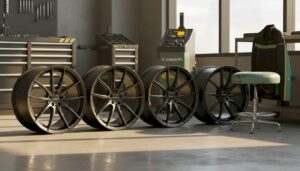
Most car enthusiasts obsess over horsepower, suspension tuning, and aero kits. Yet one of the most overlooked upgrades sitting right at the corners of your vehicle quietly determines how it performs, how long it lasts, and what it fetches at resale. Premium wheel finishes are not a cosmetic afterthought. They are a functional layer of engineering that separates track-capable builds from weekend curiosities, and show cars that stop crowds from vehicles that simply roll into a lot.
Table of Contents
- Why premium wheel finishes matter: Beyond aesthetics
- Durability and maintenance: How premium finishes outperform basic options
- Performance impact: The science behind premium wheel finishes
- Choosing the right finish: Considerations for high-performance vehicles
- Our perspective: What most guides miss about premium wheel finishes
- Upgrade your wheels: Explore premium finishes and accessories
- Frequently asked questions
Key Takeaways
| Point | Details |
|---|---|
| Performance benefits | Premium wheel finishes reduce weight and improve vehicle dynamics for motorsport and daily driving. |
| Durability advantages | Advanced coatings offer better resistance to corrosion and environmental damage. |
| Maintenance ease | Premium finishes require less frequent cleaning and ensure easier upkeep. |
| Resale value boost | High-quality finishes preserve wheel appearance and increase the value of your luxury vehicle. |
| Style and brand impact | Distinct finishes help your car stand out at shows and build a personal brand. |
Why premium wheel finishes matter: Beyond aesthetics
Walk into any automotive event in 2026 and you will immediately notice which cars draw the most attention. It is rarely the ones with the loudest exhausts. It is the cars where every detail is deliberate, including what wraps the wheel face. But here is the part most guides skip: premium finishes do far more than catch light at the right angle.
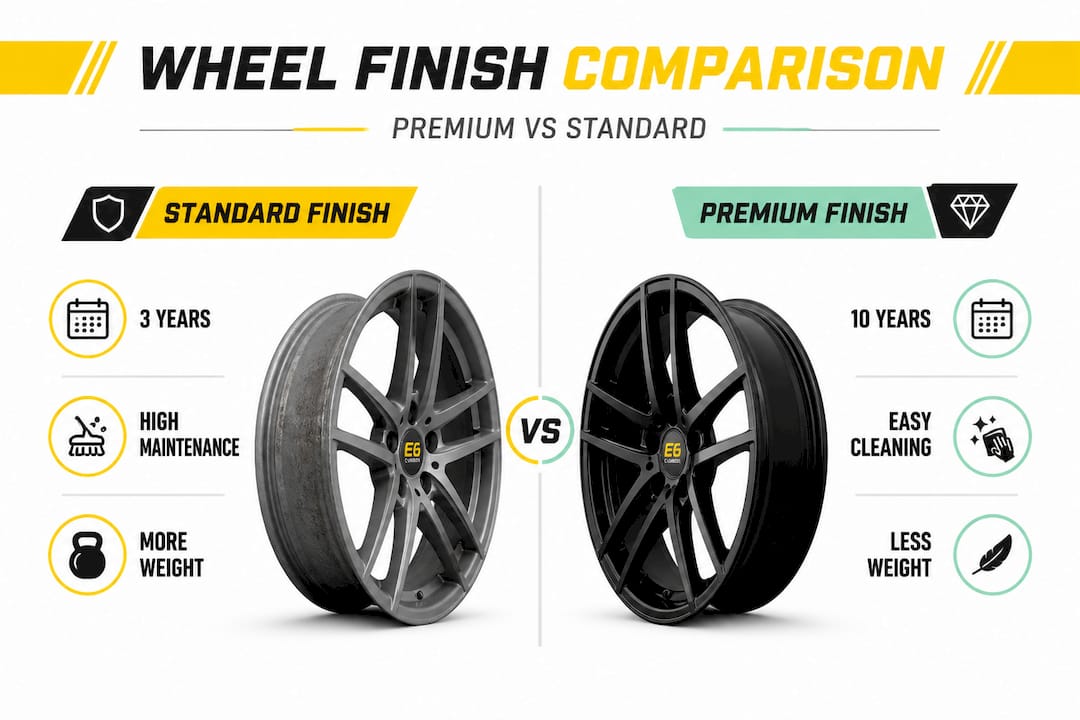
Premium wheel finishes deliver enhanced visual impact and lasting durability, and that durability is not a marketing promise. It is a direct result of the coating processes and materials applied during manufacturing. When you run a forged wheel on a track, it faces brake dust, chemical cleaners, road salts, extreme heat cycles, and UV degradation. A basic painted finish will oxidize, chip, and stain. A premium finish is engineered specifically to resist all of that.
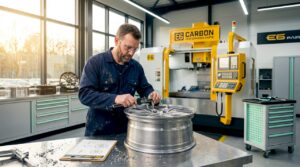
Consider custom luxury wheels built for Ferrari or Lamborghini applications. These are not just fitted with any spray coat. The finishes go through multi-stage processes including powder coating, PVD (physical vapor deposition), or multi-layer liquid paint with ceramic topcoats. Each stage adds a specific layer of resistance.
“A premium finish is the first barrier against environmental and track-related damage.”
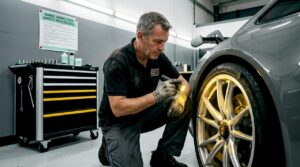
That reality plays directly into the wheel protection comparison between wax and ceramic coatings that detailing professionals regularly reference. Ceramic-coated wheels repel contaminants at a molecular level, while standard wax deteriorates within weeks under aggressive driving conditions.
Benefits of investing in premium wheel finishes include:
- Enhanced visual depth and reflectivity that stands out on track or at shows
- Superior resistance to corrosion, brake dust staining, and chemical etching
- Higher resale value due to maintained appearance over time
- Significantly reduced maintenance time and product costs
- Structural protection that supports the underlying wheel material
Every single point on that list has a dollar value attached to it. You are not paying for shine. You are paying for protection that compounds over time.
Durability and maintenance: How premium finishes outperform basic options
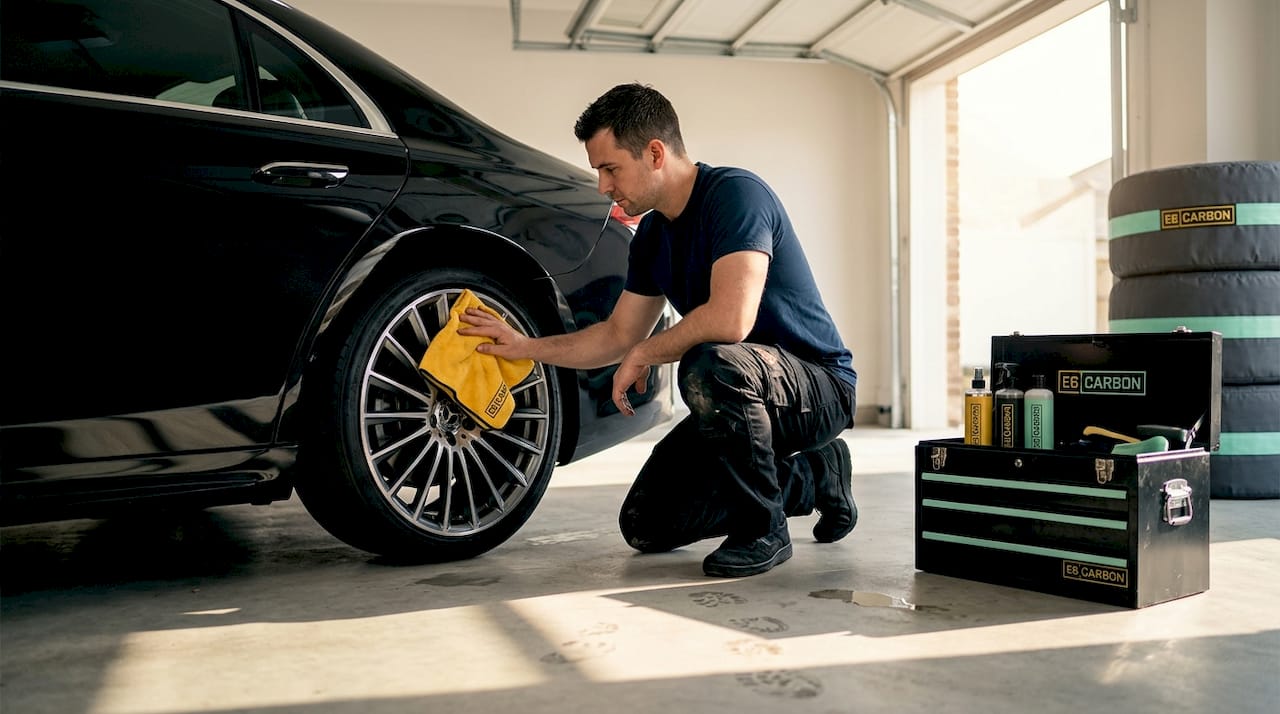
The difference between a basic wheel finish and a premium one shows up in the most practical, unglamorous way possible: how long before you are scrubbing iron fallout off your spokes after a track day. With a standard anodized or painted wheel, brake dust bonds aggressively to porous surfaces and etches into the coating within hours of a hard session. With advanced ceramic or polymer finishes, that same dust sits on the surface and wipes off with minimal effort.
Premium coatings can reduce cleaning time and extend wheel life significantly, and this matters even more when your wheels cost as much as some cars. If you are running a set of multi-piece forged wheels across a track season, the last thing you want is to spend three hours after every event cleaning degraded coating and chasing rust spots on barrel seams.
Here is a direct comparison of what you are actually dealing with:
| Feature | Basic finish | Premium finish |
|---|---|---|
| Durability | 1 to 3 years with regular driving | 5 to 10 years with proper care |
| Brake dust resistance | Low, requires frequent cleaning | High, contaminants release easily |
| Chemical resistance | Vulnerable to acidic cleaners | Resistant to most automotive chemicals |
| Heat tolerance | Degrades above 400°F sustained | Engineered for track heat cycles |
| Maintenance frequency | Weekly for track use | Bi-weekly or less |
| Resale impact | Moderate | Significantly positive |
The science behind this gap comes down to surface hardness and porosity. Premium finishes, particularly those using ceramic nanotechnology or PVD processes, create a surface hardness rating well above conventional powder coats. Harder surfaces mean fewer micro-abrasions accumulating over time, which means less discoloration and a longer period before any refinishing is needed.
Exploring wheel customization benefits also reveals that the finish choice feeds directly into overall wheel weight. Some finishing processes add measurable grams to each wheel, while advanced thin-film coatings maintain the weight savings you paid for when you went with forged construction in the first place.
Pro Tip: If you are building a track car or planning heavy seasonal use, specify a ceramic or advanced polymer clear coat during the wheel customization process. The upfront cost difference is minor compared to the refinishing expenses you will avoid over a three-year period.
Performance impact: The science behind premium wheel finishes
Here is where the conversation shifts from “it looks better” to “it actually goes faster.” The relationship between wheel finish and performance is not always obvious, but it is real and measurable. Advanced finishes contribute to reduced weight and improved aerodynamics, and unsprung mass is one of the most talked-about variables in chassis tuning.
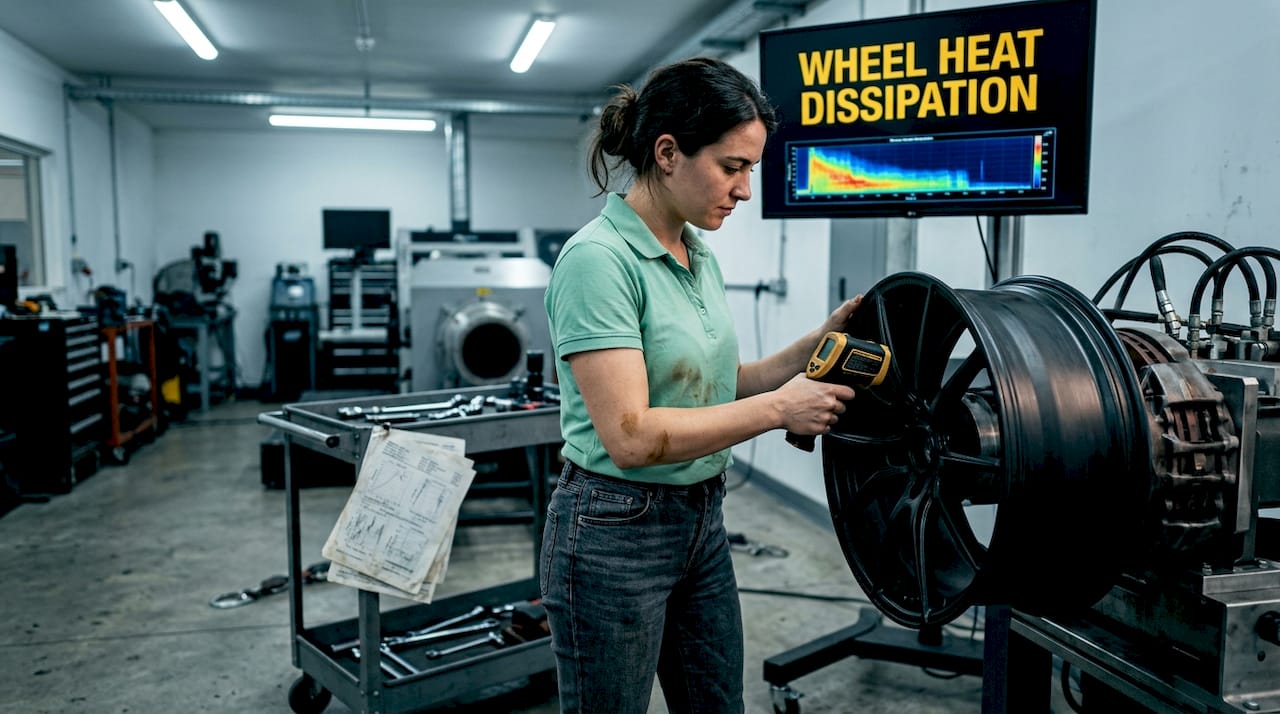
Every gram saved at the wheel and tire package translates to improved acceleration, braking response, and steering feedback. Premium finishing processes, particularly thin-film PVD coatings, apply protection without the additional thickness you get from heavy powder coat builds. On a four-wheel set, the cumulative weight difference between a heavy-application finish and a thin-film premium alternative can reach 200 to 400 grams total. That number sounds small until you are chasing a lap time.
| Performance factor | Standard finish | Premium finish |
|---|---|---|
| Added weight per wheel | 80 to 150g average | 20 to 50g average |
| Heat dissipation | Limited, insulates heat | Optimized, allows thermal transfer |
| Surface friction (aero interaction) | Irregular surface texture | Smoother, contributes to airflow |
| Lap time influence | Baseline | Potential 0.5 to 1.5 second improvement per session |
Heat dissipation deserves its own mention. During a hard braking zone, brake temperatures can spike well past 700°F, and that heat travels into the wheel. A finish that insulates rather than dissipates that heat accelerates brake fade and can cause localized coating failure. Premium finishes formulated for track use allow better thermal transfer away from the brake zone, protecting both the wheel structure and the brake components themselves.
The carbon fiber wheel benefits discussion ties directly into this. When a carbon fiber wheel is paired with a premium surface finish, the thermal management properties of both materials work together rather than against each other. This is not accidental. It is intentional engineering that separates track-ready builds from street-only setups.
Performance and show car advantages driven by finish quality include:
- Reduced unsprung weight through thin-film application processes
- Improved thermal management during sustained hard driving
- Consistent visual presentation under UV, track lighting, and show environments
- Structural integrity maintained over more aggressive mileage cycles
- Competitive differentiation at concours events where surface quality is judged directly
If you are working through a full performance wheel upgrade, the finish specification should be part of the initial brief, not an afterthought at the end of the build process.
Choosing the right finish: Considerations for high-performance vehicles
Knowing that premium finishes matter is one thing. Knowing which premium finish is right for your specific build is where most enthusiasts need a sharper framework. The decision is not just about color or gloss level. It involves understanding your vehicle’s use case, the environment it operates in, and the maintenance reality you can realistically commit to.
Use this process to narrow down your options:
- Define your primary use case. Track-only, street-and-track, or show car applications each place different demands on a finish. Track use prioritizes thermal tolerance and chemical resistance. Show car use prioritizes depth, clarity, and UV stability.
- Assess your climate and operating environment. Coastal environments with salt air require finishes with superior corrosion resistance. High-heat inland climates put more stress on thermal management properties.
- Match finish type to wheel construction. Forged monoblock wheels respond differently to PVD than multi-piece wheels with barrel seams, where penetrating moisture is a greater concern. Understanding your wheel structure first prevents mismatched specifications.
- Set realistic maintenance expectations. A polished or brushed finish with a thin clear coat looks stunning but requires more frequent attention than a ceramic-coated gloss or matte surface. Be honest about how much post-event maintenance you will actually do.
- Consider your personal visual brand. Matching wheels and finishes to your car increases both value and performance perception. The finish should feel like an extension of the vehicle’s overall design language, not a contrast that undermines it.
Pro Tip: Always request finish compatibility documentation when specifying wheels for track, street, or show use. Reputable manufacturers will provide heat tolerance ratings, chemical resistance data, and recommended cleaning protocols specific to the finish you choose. If that documentation does not exist, ask why.
Resale value plays a bigger role in this decision than most buyers initially acknowledge. A wheel set that exits the vehicle in near-original finish condition commands a meaningful premium on the secondary market, especially for platforms like McLaren, BMW M, and Mercedes-AMG where the enthusiast buyer pool is highly critical of cosmetic condition.
Our perspective: What most guides miss about premium wheel finishes
Most articles on wheel finishes treat them as a final-step customization choice, something you pick from a color chart after all the real decisions have been made. That framing is backwards. The finish is not the last decision in a wheel build. It is one of the first, because it affects manufacturing lead time, coating compatibility with the alloy or carbon substrate, weight targets, and long-term ownership cost.
“The finish is the first thing others notice and the last barrier protecting your investment.”
We have seen builds where an owner spent considerable money on a forged wheel set, then specified a basic powder coat to save a few hundred dollars at the end. Within two seasons of track use, those wheels required refinishing, which cost more than the upgrade to a premium finish would have in the first place. The logic of saving money at the finish stage consistently costs more over a three to five year ownership window.
The enthusiasts who get the most long-term satisfaction from their builds are the ones who treat the finish decision with the same seriousness as the wheel design or tire specification. They understand that custom wheel buying wisdom is about total value over time, not just purchase price on day one.
Investing in premium finishes pays dividends long after the purchase, both in lower ongoing costs and in the quiet confidence of knowing your wheels look exactly the same on your fifth track day as they did when you unboxed them.
Upgrade your wheels: Explore premium finishes and accessories
The insights above are only useful if they lead somewhere actionable. If you are ready to specify premium finishes for your next wheel build or upgrade an existing set, the right starting point is understanding exactly what manufacturing options are available for your vehicle platform and intended use.
E6 Carbon and E6 Forged offer a full range of multipiece wheel options engineered for luxury and high-performance platforms, with finish specifications developed for both track and show applications. Whether you are building a concours-ready Lamborghini or a lap-time-focused BMW M car, the finish options available go well beyond standard catalog choices. For a structured approach to the entire upgrade process, the detailed upgrade guide walks through every decision point from wheel construction to final finish selection, giving you the framework to make a confident, informed choice.
Frequently asked questions
Do premium wheel finishes affect performance?
Yes, premium finishes can reduce weight and improve heat dissipation, directly impacting lap times and brake management during track use.
Are high-end finishes easier to maintain?
Premium finishes typically require less frequent cleaning because advanced coatings resist brake dust and chemical bonding, as detailing professionals confirm through hands-on testing across multiple vehicle types.
Which wheel finish is best for motorsport applications?
Ceramic, polymer, and advanced metallic finishes offer the best combination of thermal tolerance and chemical resistance for track use, with wheel finish performance data showing clear advantages over standard coatings in sustained high-heat conditions.
How does a premium finish enhance resale value?
A high-quality finish preserves the wheel’s original appearance through years of use, and premium finishes deliver lasting durability that makes your vehicle significantly more attractive to informed buyers on the secondary market.